

Why More Dental Practices Do Not Always Mean More Profit
Summary:
Building a sustainable dental career starts with a simple truth: growth only works when the business, the systems, and the person leading them can actually support it.
In this episode, Dr. Kartik Antani, practicing dentist, group practice owner, and owner of NAPA Family Dental, shares hard-earned lessons about practice ownership, acquisitions, scaling, marketing, and leadership in dentistry. He discusses what he learned from acquiring underperforming practices and why financial preparedness is critical for new owners. Dr. Antani explains that clinical expertise alone is not enough, and that successful dentists must learn to think like CEOs by understanding finances, hiring, operations, and marketing performance. He also explores the realities of scaling multiple practices, including why growth does not always translate into greater profitability and how burnout changes throughout a dental career. Finally, he discusses how AI can support training, documentation, and operational efficiency while reinforcing the importance of human judgment and patient relationships.
Tune in and learn how to grow a dental practice with stronger systems, clearer leadership, and a healthier approach to long-term success!
Things You'll Learn:
- Buying an underperforming practice can create opportunity, but only if the owner has enough cash reserves and a realistic safety net.
- Strong clinical skills are not enough for ownership without leadership, communication, marketing, hiring, and financial discipline.
- Marketing should be measured by actual patient conversion, not just visibility, activity, or how much money was spent.
- Scaling to multiple dental practices can increase stress, risk, and complexity faster than it increases take-home income.
- Standardization, repeatable systems, and clear protocols make practices easier to manage and scale.
- AI can improve efficiency in areas like call auditing, SOPs, templates, and documentation, but it should not replace human connection.
- Burnout becomes easier to manage when dentists stop chasing constant hustle and start protecting their health, family life, and perspective.
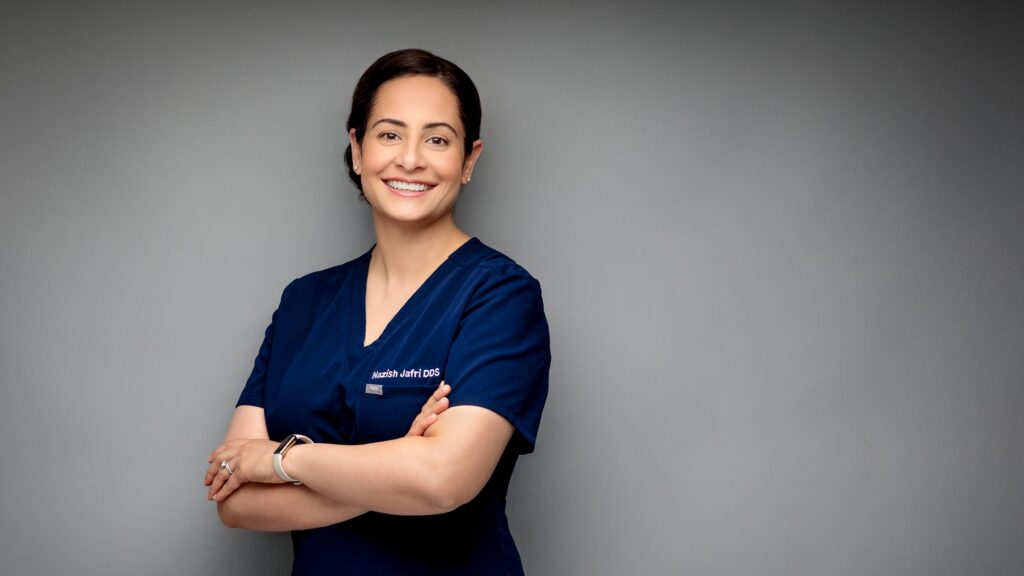
About Nazish Jafri:
Dr. Nazish Jafri, DDS, is a highly accomplished dentist, mentor, and business owner. Graduating from NYUCD in 2011, she quickly established herself as a respected leader in the dental industry. As the owner, CEO, and operator of Secure Dental, a leading dental service provider with 10 offices across state lines, Dr. Jafri has over a decade of experience in successfully managing and growing businesses. Her commitment to top-quality dental care and passion for mentoring the next generation of dental professionals have made a significant impact on the industry and inspired many. With a strong reputation for exceptional dental services, she is widely recognized and trusted by her patients across different states. Learn more about her and her dental services at www.secure-dental.com.
Social Media Handles:
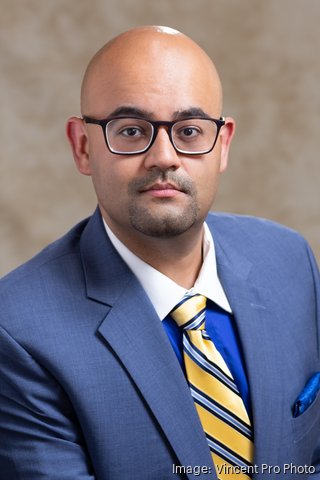
About Kartik Antani:
Dr. Kartik Antani is a practicing dentist, group practice owner, and big-picture thinker who cares as much about people and systems as he does about teeth. At NAPA Family Dental, he provides comprehensive care that connects oral health to whole-body health, with a focus on sleep apnea, TMJ, airway, prevention, and restorative dentistry.
On the business side, Dr. Antani previously led Bergen Street Dental Management, where he focused on acquiring and growing well-run, patient-centered practices. His work lives at the intersection of clinical excellence, thoughtful leadership, and smart systems, helping dentists think clearly about ownership, acquisitions, scalability, team culture, SOPs, and the future of dentistry.
He regularly contributes to conversations around group practice growth, leadership, AI, data, technology, burnout, and longevity in the profession. Outside of dentistry, Dr. Antani is an automotive and travel enthusiast, history nerd, and live music fan, bringing a grounded and human perspective to both the operatory and the boardroom.
Resources:
Secure Dental_Kartik Antani: Audio automatically transcribed by Sonix
Secure Dental_Kartik Antani: this mp3 audio file was automatically transcribed by Sonix with the best speech-to-text algorithms. This transcript may contain errors.
Dr. Nazish Jafri:
Hello! Good morning and good evening from wherever you're listening. This is Nazish Jafri from the Secure Dental Podcast. I am a working clinician every day, and I'm a mom, so I'm working 24/7. And I also do a podcast because I want to make sure that we are talking to real people, real clinicians who are in the grind every day. It is not social media. It is not Instagram's filtered post. It is real-life experiences that my guests are sharing with us. And I'm very proud to have a platform that can share all this information unfiltered, because these are no celebrities; they're celebrities in their own lives, and they know when to say no. They know when to move forward. And if you have been in a situation where your production is going high, your collection is going high, but your paycheck and revenue are still stagnant. You want to know where the problem is. Sometimes it is not the skill. Sometimes it's just policies and practices that we have, or ownership or leadership in our offices. So, today we have Dr. Kartik Antani. He is a top 40 under 40 dentist who has built a successful multi-practice organization. He specializes in sleep dentistry, TMJ, and obviously dental implants. He's just not a clinician. He is an owner-operator who has his own real experiences. I have the privilege to talk to him and listen to his stories. Thank you, Dr. Antani for your time today.
Dr. Kartik Antani:
Thank you Dr. Jafri, for having me on.
Dr. Nazish Jafri:
Oh, absolutely, walk me through your first acquisition. What did you get wrong, that sometimes we don't realize it.
Dr. Kartik Antani:
Oh, I've gotten a lot wrong over the years. But boiling it down to just the first acquisition, we bought a practice that was underperforming, and that's what we did multiple times. But the first one was the hardest because we didn't have a backup. So, while the practice was underperforming from the previous owner and you're putting in all the steps you need to make it successful, you're trying to hire the right people. You're trying to implement new procedures. You're waiting for marketing to kick in. You know, you don't have a backup. So, in a way, the biggest mistake was buying the underserved practice or the underperforming practice. It turned out great afterwards, but for those first few months, it was really daunting. Within that practice, you make more mistakes. You can boil that down to, you know, subtopics of, you know, equipment or hiring, firing, etc, but if you are going to buy an underperforming practice with the idea that you're going to add the value and create equity in the practice without taking on too many loans, then just know that you have a safety net somewhere for the first few months.
Dr. Nazish Jafri:
Absolutely. When you say a safety net. So, if there is an associate who is looking into buying something like that and he's an associate has no solid backup plan, when you say safety net, I think that's really important. How much of a safety net should they have, a month, two months, six months down, that they can sustain it?
Dr. Kartik Antani:
I think having at least three months is good, but the more you have, the better. I mean, six months is great, especially if you're an associate and you don't have any business loans and things like that. Save up, you know, live below your means, save up. And everybody wants to graduate and get the brand new car and all that stuff. Wait, it'll come. And so, save up about 3 to 6 months. The higher the better, in my opinion. And don't forget that you're not just saving up for your living expenses, but you should always keep in mind that if you're buying a business, it's going to have a lot of expenses that you're not even aware of yet. So, save up, maybe double your living expenses or even triple if you can, for 3 to 6 months, because you know your business might need some of your personal savings, not might, they will need some of your personal savings to help it keep afloat sometimes. So, make sure you take that into account.
Dr. Nazish Jafri:
Yeah, no, that is really important because I see people jumping in and thinking, oh, we can get a loan and get this approved and get all this done. And now you're actually in the grind. Now you have payroll, utilities, a loan, and a chair falls off if you're acquiring somebody else's practice. I think you end up sometimes putting in some more money because sometimes the chair just doesn't go up the next day, and you're like, "What is wrong?" You have no revenue. You have to reschedule the patients. HVAC is the one thing that I personally experience. We didn't realize it. There was it should be part of the agreement. We were very happy. Signed it off, HVAC kaboom in like almost six months. And that was a big expense that we just, nobody told us. We never asked for it. And just because we were naive about it, we had to suck it up.
Dr. Kartik Antani:
Yeah, that's the thing because, you know, you do your due diligence, right? When we were doing our due diligence, of course, we checked charts, we did financial due diligence, but we even had, you know, like a technician come out, you know, it's the same person who was responsible for repairing equipment. We would ask them to come out to the next site to take a look. And yes, we did pass on some practices where the equipment was in bad shape, even if the financials were good, because we knew that initially we would have to account for that.
Dr. Nazish Jafri:
Yeah.
Dr. Kartik Antani:
And if you're doing it right, you can even discount the price on that, you know. For example, we did an acquisition where the IT was old. So, we budgeted for it, and we negotiated for it. But yes, if you're a new grad and or if you're working and you're looking into becoming a new owner, make sure you save up for that. Make sure that you, you know, have a line of credit with the bank if needed. And also, you know, you brought up a good point just a minute ago that the people will think that, hey, the bank is giving us money. Let's just get the most we can, do that because eventually you have to pay it back. The financials of the practice, your personal finances, have to make sense first, and then the bank can give you the right amount that you need.
Dr. Nazish Jafri:
Yeah. You're right, initially when we were getting a loan, we didn't realize that you have to put so many things in collateral. It's like you're putting your life on collateral, your house is on collateral, everything is on collateral. So, if you're not able to produce in that practice with marketing or your skills or going out in the community and fighting with social media nowadays too much, it becomes very stressful.
Dr. Kartik Antani:
Right. And, you know, you brought up the skill set, which is a very important thing to understand, too. If you don't have the skill set to maybe be the best cosmetic dentist in town, don't buy that practice. And also keep in mind that just because you're great at doing dentistry doesn't mean that your office will have patience for you. You have to be now the CEO, turn on the marketing faucet, turn on the agent, and the hiring and firing faucet. You have to turn all these little faucets to fill, fill up your bucket. So, skill set is important, but it has to align with what you're buying as well.
Dr. Nazish Jafri:
Yeah, absolutely. You're right. And I usually tell our associates, I'm like, you know, when you're working in a, let's say, DSO, private practice, whatever you have, you don't have to worry about any management, worry about your communication style. Every day is a practice ground in each op room. You are a leader for yourself, for your team members, and the patient. And that is a practice ground for you to work on your communication skills. Dentistry skills they'll come in. We graduated, no problem. But sometimes I hear them say, "Oh, this practice is not really good. I don't like working here. I'm just, you know, passing my time. But when I open my practice, I am going to do this". But by that time, you're five years older, you're stuck in your own ways. Now you didn't practice your communication there. Now it's your own. Now you cannot be a leader. You cannot be a ship captain at all because you have those old things stuck in your head. I really think communication comes in first, especially when you have your own practice and coming out and being a team leader, talking to them. Talk to me about some marketing that you guys implement and do.
Dr. Kartik Antani:
So, when we first started, we did not have a huge budget. What we did was we traded off our time versus our money. So, if we don't have a budget for marketing, then we have to do some of it ourselves. So, back in the day, when we first started, we would do, you know, in-person events. We would go to local businesses, we would go to local, especially medical businesses like Urgent cares, etc. Drop off information and also local events. You know, if you have a school event, you have community events. I did, I ran my own Facebook marketing for some time because our first acquisition was in a smaller, rural area, like a village, close to Albuquerque, about 45 minutes away. That sort of marketing worked well because once people started to get engaged with Facebook, it was just like a small population. So, there's not that much competition. That really boosted us up. And then, of course, when you do good work, and you know, word spreads from person to person, it really helped us a lot. In the other two locations we had more competition, so we stuck with more of the SEO and, of course, social media ads. But when we do clinical or when we do community events for the clinic in more populated areas, the ROI decreases a little bit. So, we always have to track what's working and what isn't working. We have to make sure your phone calls are being answered and answered correctly, right? And that's a difficult situation because staff can change, people can move, people can resign. So, it's a constant training. And in order to maximize marketing, we even outsource phone calls for some time. And that was fine. But you know, someone else's company is not going to care about your phone, which is you. So, with the right team, you can maximize marketing. So, the one lesson we learned was that it does not have to be expensive, but it has to be effective. If your phone calls are being missed, which is like a lot of them. Most practices don't track it. Now they can because it's pretty easy AI. Everybody has software. But the owner has to have the mindset to implement that. So, once you start tracking the marketing, then you can change it. "Okay, you know what? This local event is not working for us. But social media is working great. Let's put more money towards that". And you have to track it constantly because this landscape changes, you know, the rankings change.
Dr. Nazish Jafri:
Yeah. And if you're not tracking it, and if you don't know what ROI each marketing is bringing, it's just going down the stream because you can be sponsoring all these basketball games, baseball games, vendor fairs, and they are expensive. They can come up to almost $5,000 to $ 6,000 each setup. And then you have to pay the staff, pay the mileage, pay everything for it, and then you just don't even get one patient. Yes. At that point in time, a lot of patients are like, a lot of people are like, "yeah, put my appointment down".
Dr. Kartik Antani:
Yeah.
Dr. Nazish Jafri:
And you think, but nobody walks in the door.
Dr. Kartik Antani:
Dentistry is a tough sell sometimes. You know, it's not well regarded in public perception. You know, there are a lot of movies and characters made about evil dentists or or whatever it might be. So, community events are important to reduce that. But you're right, the instant ROI is not there. You know, somebody who saw you at a basketball game might remember you six months later when they have a toothache, maybe they won't. It's quite a gamble sometimes.
Dr. Nazish Jafri:
Yeah, it is. It's just to keep the name in the community, that this name existsif they have any problems.
Dr. Kartik Antani:
Correct.
Dr. Nazish Jafri:
But yeah, marketing is you're right. I think each avenue of marketing is a gamble. You just have to be very strategic of which one's working. And that comes with training your front desk, like how you said, I really resonate with it. They're changing every time. With the landscape that we have nowadays, with the people coming in nowadays, we have so many lunch walkers. You train somebody in the morning, and they never come back. You lost it. Yeah.
Dr. Kartik Antani:
In order to mitigate that, we have put into place some sign-on bonuses right there. Mentally. And they're generous. You know, even for a demo assistant position. They're generous, but they're paid out quarterly. You know, as you do your job, you get paid out the bonus. But even then, you know, we've had three people in the last month who have signed the contract. They have got set up on payroll. And the day before coming in or the day morning of, they say, oh, I'm not coming in.
Dr. Nazish Jafri:
Yeah.
Dr. Kartik Antani:
I don't know what is going on with this landscape, but it has changed dramatically in the last 5 or 6 years.
Dr. Nazish Jafri:
You are right. Like the ethic, the work ethic has gone. Some people don't even show up.
Dr. Kartik Antani:
They don't even show up.
Dr. Nazish Jafri:
They don't even show up. And you have spent just putting them on ADP, and onboarding takes the manager's time quite a bit.
Dr. Kartik Antani:
Absolutely.
Dr. Nazish Jafri:
It does.
Dr. Kartik Antani:
Running ads on Indeed all of these recruitment strategies, they all cost money.
Dr. Nazish Jafri:
Yeah, they all cost money. They're almost like $400 or $500. If you do it on Friday or Saturday and you boost it up, they can go up quite a bit. And that's exactly what it is. Your production might go up a little bit, your collection might go up a little bit, but the revenue will either go straight or down. You don't see a take-home pay, and people get like burnt out. They're like, we are working. Where is it going? It's going in all these little holes that we have. And this is just part of the business.
Dr. Kartik Antani:
It's part of the business. When I worry about the future of the business, because it wasn't always like this.
Dr. Nazish Jafri:
It wasn't always like this.
Dr. Kartik Antani:
Always think about the next generation or the people graduating. Now that you know, the challenges may become insurmountable for some of them.
Dr. Nazish Jafri:
Yeah, absolutely. And with the loans that they're coming out with nowadays, 150, 168 a year, it's pretty intense.
Dr. Kartik Antani:
Intense. Not to mention the cost of living has gotten much more expensive for everybody. These patients might be spending less. And even, you know, DSOs are booming for such a while. But now even they are facing some big challenges, and they may have to scale down or not compensation as good as they used to.
Dr. Nazish Jafri:
Yeah. And insurances don't change.
Dr. Kartik Antani:
No.
Dr. Nazish Jafri:
You have to fight and negotiate, and still you're stuck with the same price. Maybe that you know you were. And they linger so much that they don't change for you.
Dr. Kartik Antani:
They won't change, and they will find other ways to.
Dr. Nazish Jafri:
Yeah. I think pre-auth is just like a coupon. And insurance is just like a coupon, too. It's just a way to get rid of the patient from their face so they can blame us that, you know, we did it.
Dr. Kartik Antani:
And then, of course, the patient blames you because you're the one who caught the crack or caught the cavity, and it wasn't hurting me, and now I have to pay for it. Et cetera. So, you know, we don't even do pre-od. Sometimes we just tell the patient, "This is what your fee is, and this is what your insurance may pay".
Dr. Nazish Jafri:
Yep.
Dr. Kartik Antani:
You know, ultimately, you're responsible for the whole amount.
Dr. Nazish Jafri:
Yeah, you're right. You just have to have like a policy and just know when to say no.
Dr. Kartik Antani:
Yes.
Dr. Nazish Jafri:
You know, this is not going to work. Just say no. Just don't go and try to be a nice person because that is going to come back and hurt more.
Dr. Kartik Antani:
Yes, you can be nice. And then you can be a kind person. You know, there's a difference between the two, but that doesn't mean you have to give you so much for your own benefit. You have to provide for yourself, your team members, and your family. So, insurance can be something that is tricky for a new grad, for a new business owner, you have to learn all the rules and regulations, and thankfully, there are a lot of resources out there that can help, you know?
Dr. Nazish Jafri:
Yeah, for sure, but be very mindful when you're doing all these things. I would, we would fund our offices like really well and decorate them and all that. And then after the second one, we're like, we don't need to do all that. We need to do the marketing first. Let the patients start coming in first. So, our mindset just totally changed after the first two. Like, this is not working out. If the patient's not in the chair, nobody's seeing your decoration at all.
Dr. Kartik Antani:
Yep. Exactly.
Dr. Nazish Jafri:
Doesn't pay.
Dr. Kartik Antani:
Yeah, exactly. And, and you know, we all, a lot of us want to have, you know, our baby, our this is my practice. You know, it's something that I bought, or I had a construction on, and I put in everything, you know, paint scheme. A lot of people get excited about that, and that's great. But ultimately, when you are having to run a business, you will not care about that. And as you run your business, as you get better at it, some of the challenges that you initially noticed or had, or some of the things that got you excited, like the decoration, like the paint, or whatever, both of those decrease, you know, the first time you have to hire somebody, it's like really stressful. The 50th time you have to hire someone or fire somebody, you don't even care. Decoration-wise, you don't care because you have like other things to worry about. Like, you know, your compressor or your chair or it's supposed to come in there. So, all of those different things change as you mature in your, in your journey as a business owner, you know?
Dr. Nazish Jafri:
Yeah. No, absolutely. I can relate to each word. Exactly. It doesn't matter at this point. It was funny. We had an office that had a pole right in the middle of the hallway. And somehow that was supposed to be structural, and I fought for it to get it taken out. Somehow. It couldn't come out because it was supposed to be structural. So, we put like glass around it. I hated that pole for the first year, but after that, I've had it for 12 years. We don't even know if it exists anymore. It's gone out of our sight. It's still there, but we've managed to go around it. It really doesn't matter. Yeah, because the technician issues, the computer not working, these things are more.
Dr. Kartik Antani:
Sometimes the scanner doesn't work. When you have a temp assistant, and you're like, "This whole week you were just working fine. Now, now we have somebody who doesn't even know the computer. And now you have to break down", you know?
Dr. Nazish Jafri:
Yes, it needs an update right there.
Dr. Kartik Antani:
Yeah. You're in the middle of scanning somebody, and you're running late. It's always.
Dr. Nazish Jafri:
Yeah, that's actually part. And tell me about the burnout. How do you handle burnout in your organization?
Dr. Kartik Antani:
Yeah. You know, burnout is a constant. You people say there's a work-life balance there. I don't think there is. You have to, you know, and sometimes, especially when I was earlier on in my career with acquisitions and planning to scale, scale, scale, I didn't really care about the life part of the work-life balance as much. You know, I was like always working and eventually you bring you some rewards, but the rewards may not be worth it to you. You know that at some point, if your perspective changes where you care more about family or time off, or seeing the world or whatever, or enjoying your hobbies, even if it's something like just reading a book and not reading N, P, and L sometimes, you know? So, the burnout is constant. The burnout changes. What causes you the burnout and what alleviates the burnout also changes. You know, reading used to help me a lot, but then it stopped helping me. So, instead of reading business books, I started to read more about fiction or essays, things like that. Going to the gym has been helping me a lot, too. I think that's something that I really ignored for some time. But, you know, as I took inventory of what's important, I realized that burnout or the hustle culture or, you know, always grinding and always trying to be better than the next guy, it doesn't really matter. Nobody cares. Ultimately, what is causing you the burnout? If you want to be away from the practice, then you have to spend some time doing something constructive, like working out or any of your hobbies, you know? But you have to make that work-life balance happen because it won't happen automatically.
Dr. Nazish Jafri:
Absolutely.
Dr. Kartik Antani:
So that and also, you know, over time, you just stop caring about small things sometimes, like your poll, you just, you know, this is not important enough for me to think about for the next two hours and increase my cortisol, increase my stress, and get a twitching eye. It's not worth it. So, sometimes that helps to where you prioritize what's important, and you kind of leave the rest. You know, when I was starting out, I used to make long to-do lists, and I still do. I have a pet right here. And then I would feel bad if I didn't finish everything on the to-do list. But now I realize that the to-do list is just a reference point. If I don't get something done that weekend or that day, the world is not going to end. Nobody cares. You're going to be fine. You know your family is more important. Your happiness is more important. So, that mindset change also helps with burnout.
Dr. Nazish Jafri:
I think what you're saying is very good. Nobody cares but you.
Dr. Kartik Antani:
Yeah.
Dr. Nazish Jafri:
Nobody cares for your own self and your well-being. Nobody's coming to save you but yourself.
Dr. Kartik Antani:
Exactly. And you know, you may have people in your life who want to come save you, but they may not know what you're going through.
Dr. Nazish Jafri:
No, because you have this pseudo face, because you have to still be presenting as a very strong leader. So, you cannot break down in front of those people, so they don't even know exactly how you're saying they don't know how to help you.
Dr. Kartik Antani:
Yeah.
Dr. Nazish Jafri:
Eventually, you're the only one.
Dr. Kartik Antani:
You are the only one. You may have many people in your life, like your spouse, your parents, or family members. Kids, even your team members might care so much about you, but they don't know what you're going through. They may not even be dentists, or they may not be business owners.
Dr. Nazish Jafri:
Right?
Dr. Kartik Antani:
So even if they want to help you, they can't. They will. They can try. And sometimes it actually makes things worse. So, once you realize that the only person out there to help you in your life is ultimately you, you have to reduce that burnout somehow. Whether it's by hook or by crook, you have to make yourself less crazed. You know, you stop thinking about all the different little things and what the patient said that day, and okay, it's not working, but okay, we have a backup. There's always going to be a solution. And then when things are coming along, and there are no problems that day, you're always going to be thinking, why is it so quiet?
Dr. Nazish Jafri:
Yeah. What happened?
Dr. Kartik Antani:
And you know, sometimes even if you have the best systems and best team or whatever in place, things can still fail. So, that's just part of ownership. And once you realize that you cannot control everything, you cannot always have everything go perfectly, the day things go smoothly. Count that as your blessing day and move on. And when the days are rough. Okay, well, at least I don't have to do this every day. Just like, you know, you prep a number five really easy root canal. Treat it. You barely have to numb. You're done in ten minutes, right? Versus a number 15 on a gagger, you know, so it's just like that with business too. Some days you have great days, and everybody did their job, and some days you lose half your team, and you know, what can you do?
Dr. Nazish Jafri:
Yeah. And I think you're right. If you have like a proper system in place in your head and you are looking out for yourself as well, that you're well, you are the leader. If you're unhealthy, everybody around feels it. The burnout. If you are hyped up and mad or upset or whatever is taking you personally, I think your team feels it. And when you come home, the home people feel it. Your kids feel it, your wife feels it, and they don't even know. Just like you said, they don't know how to help you because we've caused it sometimes to ourselves. I think dentists are type A; we want everything to be perfect. I felt this in the initial days of our acquisitions because I was like a control freak. I wanted to do everything myself because I know it messed. I would tell what the front desk should do. I would tell what the manager should do. Then I was like, why do I have these people in place if I'm the one who is trying to do everything? So, it took me a little while to come out of my own mentality, to start delegating, to trust your team. If you have good people, trust them, make sure you're honing on to their strengths. Everybody has weaknesses, but hone to their strengths and give them that delegation so they can do it. I used to do marketing. It would drive me crazy. I was never on meetings when the marketing salespeople would come in, I was like, yeah, yeah, everything's fine. Everything's fine. And my bookkeeper is saying, you're paying so much in management fee. I'm like, why? Because I'm just saying, yes, I want to go see the patient. And once I started delegating it, somebody was properly looking at it. I didn't have to think about it. So, I think, yeah, delegating for me really helped for us to think on more bigger items than these tiny little important things that somebody else has the expertise to do.
Dr. Kartik Antani:
And that's important because at some point, you have to be a CEO. And yes, you're seeing patients, and you care about the small details, but you cannot get mired down in those small things. You, as a business owner should know everything. How to check insurance, how to run reports, etc., so you can delegate and then verify. But you're not going to be here checking insurance for all the patients, etc. I mean, this is not your job, and it's ultimately your responsibility as a business owner. But if you were an associate, you wouldn't really care, right? It's not your job. And that's the difficult part of having a business that you want to care about and focus on what you need to do to grow the company or to see patients. But all the little things eventually do become your responsibility, even if you're delegating. And that's why it's important to have the right people. And that's the whole challenge. I mean, every company has huge HR issues, right? The bigger the company, the more the bigger the department, because to attract, retain, train, and keep the right people happy, it's a job by itself. Marketing is a job by itself. How many things that we do as dental business owners that are like four different jobs all tied in. And I'm not saying that to, you know, like make anybody feel like they should not become an owner. You know, you just have to think about those things before you make the jump. And even when you make the jump, you're going to learn as you go. It's not something that you're going to have the right answers to right away. So, you want to delegate but verify. And yeah, we're type A, and we have to, like, we have to let go sometimes, you know.
Dr. Nazish Jafri:
Yeah, we have to. I think letting go is important. And delegation is also key. Like hiring good people, retaining them, and then putting their goals with our goals, matching the goals up together so they can improve with us, really helps. In order for us to work like a team together. Otherwise, it's like otherwise it's a burnout because you're trying to do everything by yourself.
Dr. Kartik Antani:
Yes, you know, with the new business owners, it's a very difficult task because you're so unsure if things are going right or not, because you yourself don't know, because no one's going to teach you how to read a PNL or check HR or check insurance. You know, as an associate or even in dental school. Initially, letting go is difficult because you yourself don't know what to do. And then you find that, okay, I can give up a little bit. I can move on a little bit. But you're still always worried, you know, a little bit.
Dr. Nazish Jafri:
Yeah. Oh, yeah. And then nowadays everything's coming up so fast. Like so much technology is coming up so fast. Even getting like a 3D printer or a facial scanner, you have tons of choices. You don't even know which one to choose. And then you're making those decisions and thinking, did I make it right? Did I make it right for us? Like scan buddies, there are like tons of scan buddies floating around in the United States. And you're like, which library should you get? Yeah. Like those, those little decisions, they're like cumbersome sometimes.
Dr. Kartik Antani:
They are very cumbersome.
Dr. Nazish Jafri:
Yeah. Those. So, we keep our inventory very strict, very low. And we have dedicated to one brand, and it has made our life very, very easy because all the associates know that we work with this. I'm not getting lured with somebody else bringing another system, and I know we are very happy with this one system because we are dedicated to it, and we have all the inventory according to that system. So, let's say for endo, we have one system. We just use one system. We don't want to use anything else. No confusion at all. Even the dental assistants know how to use it. So, it's repeatable.
Dr. Kartik Antani:
Yes. Repeatable and easy. You know, even if you're going for a slightly higher price point, but it makes sense for you because it reduces expenses elsewhere, time expense to, you know, makes your people happier, keeps your associates longer, then I think it's worth it. And having standardization, repeatability is the key for scalability, too. It's tangible things like scan bodies or intangible things like, you know, how do you answer the phones? Or, you know, what is the patient experience like? All of that is very important to be at scale.
Dr. Nazish Jafri:
Yeah. You're right. Patient experience is very important because one patient can bring seven more, or they can just go and type a bad Google review, and you're done.
Dr. Kartik Antani:
Yeah. And you know, the thing about Google reviews is that even if you do everything correctly, they can still leave a bad review.
Dr. Nazish Jafri:
Yes, we have the best hospital that I am in. I'm in Peoria, Illinois, and OSF is one of the best hospitals here, which has our country's best neuro department for neonates. And it has 2.9 stars.
Dr. Kartik Antani:
Of course.
Dr. Nazish Jafri:
Of course, right? Because they don't, they will just only do a Google review when they're mad or upset, or their insurance didn't cover anything. But it's a beautiful hospital.
Dr. Kartik Antani:
Yes.
Dr. Nazish Jafri:
A lot of it is charity.
Dr. Kartik Antani:
Yeah. And that's why Google reviews are sometimes accurate. But if you go into a hospital, no one's going to leave a review saying five stars, they saved my life because you move on. You expect them to save your life, right? But even in dentistry, they expect to be a little sore. They might expect a little bit of pain if you explain things correctly. Okay. You might need a root canal after this crown. We don't know yet. You know, it's testing vital right now, but let's see. But yes, insurance is a problem. You know, you guys, you didn't get my insurance to pay for it. Well, that's nice, your insurance. You should know that. Like, you know, they just don't pay.
Dr. Nazish Jafri:
Yeah.
Dr. Kartik Antani:
And so that's what it is that sometimes these reviews have nothing to do with you at all. You know? So, what can you do again reduce the burnout, take it slow and just keep it moving. You know.
Dr. Nazish Jafri:
Take it with a grain of salt. Just don't take it personally. Yeah, that's what we say.
Dr. Kartik Antani:
Don't let it ruin your day. And I used to do that. I used to let it ruin my day. I wasn't going purposefully let me ruin my day. But mentally it would.
Dr. Nazish Jafri:
Yeah, but it's at the back of your head.
Dr. Kartik Antani:
But now you have other things to worry about. You don't care, you know, just enjoy your weekend.
Dr. Nazish Jafri:
Yeah. Our team knows. They're like, we'll get four more, and they'll bury it down.
Dr. Kartik Antani:
Yeah. That's it. Simple.
Dr. Nazish Jafri:
Yeah. That's it. So, you were named in the top 40. Under 40.
Dr. Kartik Antani:
Yes. In Albuquerque. Yeah.
Dr. Nazish Jafri:
Albuquerque. And what was that grind like at that time?
Dr. Kartik Antani:
So I was nominated in Albuquerque for the top 40 under 40 as just a business overall. Okay. So, you know, there was like an interview process and they went through all of that. But I wouldn't say that was like a grind. It was, it was actually a good recognition just to be nominated. Okay. And then after that, when they said, okay, you're like one of the finalists, I said, "Well, that's great. So, it was good". I don't think there were any other barriers to that. You know, it was an interview process. You have to write an essay, they do a background check, and all that stuff.
Dr. Nazish Jafri:
Oh, okay.
Dr. Kartik Antani:
Yeah. But it wasn't anything. It was. It was a lot easier than getting through a dental day, that's for sure.
Dr. Nazish Jafri:
Yeah. Sometimes it is. How would you evaluate, like a struggling practice if it's worth it or not worth it? I know you said that you did get some practices which were not revenue-wise, generating that much, but you still took on that.
Dr. Kartik Antani:
That risk.
Dr. Nazish Jafri:
The risk. So, now how it has changed now, like, what are you looking at now?
Dr. Kartik Antani:
Right. So, there are many things that I will look into when making an acquisition, right? Yes. Before you even go to the practice, we would look at the pro forma, right? Look at the PNL. Yeah. And then try to figure out, you know, what is the profitability of this practice, whether it's going to be owner-driven or associate-driven or combination. And once you pass that stage, even if it's underperforming, that's okay. As long as there's something. Then we would do a site visit and figure out, you know, is this thing first of all, is it even compliant anymore? Because some of these practices that are older with ADA and all of that, that's basic. But then you have to figure out, you know, how is the equipment? Is the IT up to date? Are we going to have to put money into that? You know, what's the location like? Is there visibility? All of that. What's the doctor's nature? You know, how are their reviews?
Dr. Nazish Jafri:
Even though you take them with a grain of it can still give you some idea.
Dr. Kartik Antani:
I want to go with an idea and take a look at the charts. Many, many reasons you can be attracted to a practice, or you can just say no. Initially, when we were starting out, we were very inexperienced, like a lot of people are. That's just the way life is. So, we didn't look at every single thing that we should have. And that's in some ways that was a good thing because we were able to improve upon them right away. And in some ways, you're kind of stuck with that decision for some time until you can sort out a proper solution. You know, sometimes you don't think about the staff area. Is it big enough? Is it small enough? If we're going to add more people, like things you don't think about at that moment.
Dr. Nazish Jafri:
Correct.
Dr. Kartik Antani:
And so even though you follow a checklist and you should have a due diligence checklist, a lot of it is common sense. And, you know, now that I'm more experienced, I probably would focus more on practices that are running well already compared to, you know, buying something that's not and then building it up because I've already done that. And it's, you're, yes, you're saving money, but you're putting in a lot of sweat equity, and you're a lot bigger risk. And the older you get, the more responsibilities you have, the less risk you may want to take, the less sweat equity you may want to put in. So, the perspective changes over time, too.
Dr. Nazish Jafri:
Yeah. In that way, would you tell an associate whose first practice is going to just do de novo, then?
Dr. Kartik Antani:
I don't know. Because in some cases a de novo, especially if you are in a location that needs a dentist, that's number one, your demographics have to be number one. And in an area where maybe rent is not that expensive, you know, you might be able to do it in Novo. It depends on honestly, it depends on the need for a dentist there, right? A lot of good things can come from a de novo. You can design it to exactly how you want it. You can do it on a budget. You know, if you're careful, you can do it on a budget and maybe don't equip everything all at once. On the other hand, if you're not of the mindset of, you know, business and money and all that, then you might find yourself building a nice mansion where you have everything. But there are four dentists on each of the street corners near you, and you may be struggling even if you're the best. So, de novo depends a lot on the location and the build-out costs. How resilient are you with waiting for the schedule to fill up? How strong is your marketing game? How big is your marketing budget? So, I have never done I've not done it de novo because I wanted to always have some sort of a cash flow.
Dr. Nazish Jafri:
Cash flow.
Dr. Kartik Antani:
I always wanted to have something we can add value to. So, we tried to always buy underperforming practices, not completely terrible. Like, you know, doctors only doing two days a week or three days a week, maybe docs not doing any implants, things like that, right? So, that strategy worked well for us. And that can work for a new grad or even a seasoned grad who's just looking for a first-time business ownership experience. That decision then becomes personal. Because what if you can do a de novo, but you or your family wants to live somewhere where you can't? Or you're happy doing an acquisition because you don't need to have your own perfect build-out. You can. You're happy with a practice that's cash flowing, and you understand that it's just a building with some stuff in it, right? As long as the piano looks good. So, there are so many different perspectives about it.
Dr. Nazish Jafri:
Yeah. I think as long as the cash flow is still there and you can bring in marketing dollars more than, and get the chair filled up. Well, since you do acquisitions, what is the initial marketing budget that you keep aside besides the other fixed expenses?
Dr. Kartik Antani:
Our first marketing budget was nothing. So, we did a lot of community events, but this was also a smaller town. There's a lot we can do. You know, our Facebook marketing budget was like 500 bucks or something. And I was myself. Now I would say, you know, in a more populated area, if you're doing an acquisition that you're trying to build up. So, if you're buying an underperforming practice, you know, budget like 5 to 7 K for the first few months. That includes going with a good agency that has like a whole CRM where they can track the phone calls and give you guys, you know, like a thumbs up or some kind of phone call management, can check the ROI for you. That is very important. And then, you know, as you start getting more word of mouth or you're getting busy, then you can always trim that budget down a little bit or reallocate it to maybe specific procedures that you want to do. And if you're buying an acquisition that is already running, well, then the PNL probably already has a budget in it.
Dr. Nazish Jafri:
Correct.
Dr. Kartik Antani:
The practice you're buying is already at its peak. Just stick with the formula. Don't mess it around too much. You know.
Dr. Nazish Jafri:
Because the community is warm enough, and they know you just have to introduce yourself.
Dr. Kartik Antani:
Right. And the selling doc is staying on for some time, too. And that's even better. So, then your marketing costs. It might still be high in dollar amounts, but then if your practice is already running well that you're buying, then the percentage can be, you know, 3 to 5%. Yeah. Your marketing budget should be, if you're growing a practice, should be 7 to 10% of what you want to be. And if you're already established, then like, you know, 3%, if you're in an urban or suburban, 3 to 5% to keep it maintained is fine. And then if you're rural, like one of our practices now is just word of mouth, right? So, the marketing is like ten bucks a month.
Dr. Nazish Jafri:
And you still have patients coming in.
Dr. Kartik Antani:
Yeah. Word of mouth. They just come in. So, but that's because it's more underserved. It's more rural. So, most practices, you know, try to do 3 to 5% to maintain it, you know, 5 to 7% for moderate growth, and 7 to 10% if you really want to grow more.
Dr. Nazish Jafri:
Yeah.
Dr. Kartik Antani:
The of the collections where you want to be, not where you are at right now.
Dr. Nazish Jafri:
Yeah. No, you're right. We've seen that too. We have like two separate demographics. One is like a very small area. We don't even have to do any marketing. They just keep coming in. Initially, maybe it took us a year to lift it up, and once those patients went out, they came back. We don't even have time for an amount of time. The ones that are in the heart of Chicago. Oh, those are the hardest because there are dentists who are marketing for 140,000 a month, and they're like everywhere. You'll see them everywhere. And there are dentists right there, in the whole like walking distance. So, keeping the patient is tough, and the marketing budget is just like the highest.
Dr. Kartik Antani:
Yeah, right? Tough. And, you know, I never had a budget that high. And because I'm not in downtown Chicago or New York or Albuquerque is not that competitive in some things, and some things it is a little competitive depending on where you are. Los Lunas is not competitive at all, a little bit, but the office is already established, so.
Dr. Nazish Jafri:
Correct.
Dr. Kartik Antani:
If you have a person who's looking to buy a practice or do a de novo, they really should do a marketing analysis two to budget for it.
Dr. Nazish Jafri:
Yeah. When you do your demographic study, do you have like agencies do it for you, or do you just do it by yourself? Go and see the area around yourself.
Dr. Kartik Antani:
So sometimes when a performer comes through, the brokerage will have some demographics. That doesn't always mean it's good data because sometimes, yeah, they want to sell something. So, they're going to try to make it look better.
Dr. Nazish Jafri:
Yeah.
Dr. Kartik Antani:
That's what due diligence comes in. You can do your own demographics analysis. You can there's free resources online, you know, census and all of that. You can pay companies to do it for you too. And I've not paid a company because I haven't had to. But when we were thinking about it way back in the day, before we bought our practices, you know, should we do a de novo? Should we do an acquisition? You know, we did run a few reports that did not lead to the purchases or de novos, but we have some experience with that, and there are some good companies out there. I think Doctor Demographics is one of them is called or put them out there that you can look up.
Dr. Nazish Jafri:
Yeah. And see what the household looks like. Or if you even want to be in that demographics, what kind of practice do you want to make for yourself.
Dr. Kartik Antani:
Exactly.
Dr. Nazish Jafri:
Yeah.
Dr. Kartik Antani:
It's just as important as looking at the procedures that the current owner is doing. If you're, if you're buying an acquisition, if they're doing, if they're the veneer specialist in town, and you're doing like, you know, composite class twos because you're a new grad, nothing wrong with that, but don't buy the practice yet.
Dr. Nazish Jafri:
Yeah. Or for persistent.
Dr. Kartik Antani:
Yeah, wait a little longer.
Dr. Nazish Jafri:
Yeah. Because the patient demographics is expecting work like that.
Dr. Kartik Antani:
Yeah, exactly. Same thing with census demographics, too, right? Are you okay with treating a lot of kids because there's a new families or are you more, you know, of middle to older aged people. You know, what is the income like? What is education like? All of that has to work with what you know, what you want to serve.
Dr. Nazish Jafri:
Yeah, very true. One of my colleagues is in an area where they have a holistic dentist as well. And she gets a kick out of it because the holistic dentist would take an amalgam out for around like 4 or $500 to $800. And they're wearing this suit and stuff. And if she's and they're just open two days or three days a week, and sometimes their patients come to her office, which is in the same in New York, it's like the same one block. And they ask her for the same thing. So, there is a demographics that this patient attracts with all this. And patients will pay the $800 to remove amalgam.
Dr. Kartik Antani:
Absolutely, they will. And that's why there's so much debate about holistic dentists. You know, look, if that's what you were trained in and that's what you believed, then do the dentistry that you want to do, right? Like if other people judge you or not. Who cares, right? Same thing with, you know, a lot of people that go to the sleep apnea, right? They're so worried about their energy and the cardiologist that they cannot tolerate a CPAP. They'll pay thousands of bucks for a mandibular advancement device.
Dr. Nazish Jafri:
Yes.
Dr. Kartik Antani:
That's important. So, for that patient that's paying 500 to 800 bucks for amalgam removal, that's important. And you know, if the doc seems to be trained in it and believes in it, then.
Dr. Nazish Jafri:
They have the demographics. You'll attract those patients with the marketing. You're right. We have a patient who sings, and he is on the road all the time, and he cannot do a CPAP at all. And that's how we made him an appliance. And it just changed his life. Because it's small, he can carry it instead of having the CPAP. So, if he would not have advertised it because it's not covered through insurance. So, sometimes we dentists think, "Oh, it's not covered through insurance. Nobody's going to buy it". But there is if you tell them through marketing that that is a skill that you have, the word goes out. There are people who will come looking for you.
Dr. Kartik Antani:
Well, that's the whole mindset thing too, right? That if you are an insurance-driven dentist, again, nothing wrong with that. That's okay. That's what you want to do. Just know that there are people out there paying 2030 grand for veneers that are going to last ten years, right? And people are paying, you know, between 2000 and 7000 plus, depending on where you are, for a sleep apnea device. Because it's important for them.
Dr. Nazish Jafri:
It's important for them.
Dr. Kartik Antani:
And you know, in our practice we know that insurance doesn't cover sleep apnea devices, but medical insurance does. So, we work with medical insurance. And if you're dedicated enough or if you really want to do it, then it's not easy. And that's another thing. You're going into an acquisition, and like 50% of the collections come in from sleep apnea treatments, and you're not quite ready for that yet. Then you either need to have the doc stay and teach you or find a different practice.
Dr. Nazish Jafri:
You're right, with the medical billing, it is a tough thing. Getting into dental insurance is, I think, still very easy, but credentialing through medical insurances and then billing through them is a very different ball game.
Dr. Kartik Antani:
Very different ball game. And it takes years, you know, to get going, and it takes years to build that reputation. That's okay. You know, you don't have to do everything overnight.
Dr. Nazish Jafri:
But it takes time. It's pretty terrifying. But it's, yeah, it takes time. Have you had a chance to put in AI systems in your offices, and are you utilizing it anyway?
Dr. Kartik Antani:
So when we were at multiple associates, we were looking into AI for X-rays, like over. And that was a good it was a good thing, because you can have some calibration. But as a solo doc, I don't really need that at the moment, so I don't. But AI has been very helpful in other things, and I do want to preface this by saying that a lot of AI that's being put out there is not really truly artificial intelligence. It's really smart software. So, if you type in or you speak to AI and you say, help me run my business better, it's not going to do that. But if you ask it, you know, something like, help me draft up a cheat sheet for implant coding. Great. That's going to help you. So, the same thing with you have to be careful with even your personal life matters with ChatGPT and stuff, right? It's not always right. So, let's think about what AI can help in dentistry. It can help with phone calls. Now I help design a phone call system that had a chat system that you could speak to, and it would look up your records, and it would say, "Okay, Mr. Smith, you're scheduled on Tuesday at this time". And your co-pay will be that right? And in testing, it was great. But in the real-world application, we did not put it in. Because patients don't want that. They want to talk to Susie, whom they've been talking to for years. And, you know, it may help you with filtering phone calls, or it might help you. Here's what AI has helped me with. Marketing. Not the actual marketing itself, but auditing the results of the marketing, right? If you have, I don't know, 30 phone calls, 40 phone calls, what it can do is it can red flag or orange flag the worst ones. Why did this patient not schedule? Why did this receptionist not stick to the script? Then this makes your job easier, right? But it's not going to replace Susie because.
Dr. Nazish Jafri:
There's a human factor.
Dr. Kartik Antani:
That's a human factor. So, I think AI is getting better and better. But you do need to make sure that you're using it as a tool. You're not using it as a person.
Dr. Nazish Jafri:
Yeah.
Dr. Kartik Antani:
Giving it or trusting it with tasks that you know it just can't do because it may seem like it did it, but it could be a hallucination or a glitch, or something.
Dr. Nazish Jafri:
Yeah. And nowadays, people can figure out that that is an AI. And because it has these non-emotional things to come in, and you're right. Like the front desk is a front desk. They want to listen to the sound the emotions in it. But yeah, you can utilize it in writing letters. We utilize it in SOPs, infographics, and training. We made our trainings through that. It was very crisp and clear and outlined really well. We're starting to use it in chart writing notation. So, we record, and it records the whole transcript. And for the doctor, it's easy to chart right, or for those patients who forget what they said. And so, we can utilize it in that way. So, that really helps. But yeah, replacing the front desk is a little iffy still for us right now.
Dr. Kartik Antani:
Yeah.
Dr. Nazish Jafri:
Yeah. We don't want the AI to answer phone calls. Maybe just do confirmations is okay.
Dr. Kartik Antani:
But you know, it could do it via text too. It doesn't have to be a whole thing, you know? Correct. Simple. It's your job. It's supposed to make your job easier, not replace it. So, the chart note-taking doc is still double-checking to make sure that the notes were good, right? So, a lot of time, but I don't think it's ever, maybe not ever, but I don't think it's quite there where it can replace people yet.
Dr. Nazish Jafri:
Correct.
Dr. Kartik Antani:
But it's doing a really good job of helping people. And I think that's important.
Dr. Nazish Jafri:
Yeah. Helping is an adjunct to do your Google Sheets and ordering, maybe, and things like that. It helps in that way. So, you're not stressed out. Yeah.
Dr. Kartik Antani:
You know, nowadays, if you have a new procedure or you want to edit your consent form. Easy, right? Easy. Sleep apnea letters to doctors that you're a sleep physician refers to you. You want to write a letter. You ask ChatGPT or something to make a template. Then you save the template for every sentence. A lot of ways it's helping, making you more efficient. Maybe not.
Dr. Nazish Jafri:
Right. Tiny mundane tasks. They can do it. Yes, but it's actually the human connection. It's better to have a human connection.
Dr. Kartik Antani:
Absolutely.
Dr. Nazish Jafri:
Yes. Yeah. So, what would be one conversation that you wish somebody had with you when you were starting your business?
Dr. Kartik Antani:
There are a lot of conversations.
Dr. Nazish Jafri:
I wish I knew this before.
Dr. Kartik Antani:
Yeah. I had an idea what I was getting myself into. But even then, it's, you know, even with humility and open mindedness and willing to learn as you go and not having, you know, that hubris that I'm a dentist and I'm a business owner, so I must be the best thing in the world, even outside of all of that, even with humility, there's it's a big learning experience. You know, you have to figure out as you go. So, I think if you had asked me one thing that I would request, if somebody were to tell me something, be careful of human resources. Be careful of who you're hiring and how you're training them and all that. I think that's probably the most important.
Dr. Nazish Jafri:
Yeah, you're so right. Because that is where it breaks or makes you go forward, because dentistry, I don't think only one dentist can doit. It is like a full-on teamwork that happens together. And human resources are really important. The communication and your goals, what your goals are set with them, so they understand where you're coming from and where you want to go.
Dr. Kartik Antani:
Yeah, I think that's probably the number one thing. It's always a people problem that you're trying to solve. Okay. Yeah, it's if you're composite, you know, it's not the best shade match on number two occlusal. It's okay. But yeah, the people that you're employing to help you. They need to know what they're doing. And that's important.
Dr. Nazish Jafri:
Yeah. And you have to train them in order for them to understand what you like and how you like things.
Dr. Kartik Antani:
You want them to be well-trained and have a lot of resources. You know, you don't want to hold back resources as much as you can. Yeah. But it also comes down to a lot of their mindset and how they, how they want to work with what work ethic, because you can give them all the resources in the world. But if they're not able to deliver, then that's a problem.
Dr. Nazish Jafri:
Yeah. These resources are free too, so we would do like free events, free education, or cover everything. And I was like, nobody's paying attention.
Dr. Kartik Antani:
No.
Dr. Nazish Jafri:
No, we changed it a little bit. We're like, okay, we will pay half. You pay the other half. And once this many ceilings are done, or let's say this many prpps are done, we'll reimburse you at this much time. So, I feel like that has a little skin in the game. And people are more enticed to do it. When I was doing everything for free and just paying everything through the office, people were like, "Okay, it's pain."
Dr. Kartik Antani:
Yeah.
Dr. Nazish Jafri:
It's okay.
Dr. Kartik Antani:
It's the same thing with patients, too, right? Like they so, you know, there's different types of patients. Of course, there's Medicare, there's even fee-for-service. And then there's people who are paying cash for veneers. So, there's a whole broad range. Most of the time, when you are getting something for free, you don't value it. Yes. And we see that in patients all the time too.
Dr. Nazish Jafri:
Yeah, just human nature.
Dr. Kartik Antani:
I think it's human nature. You know, it's a little bit of entitlement, a little bit of human nature, a little bit of like, I don't if it's free, it must not be important.
Dr. Nazish Jafri:
Correct. Or it's cheap.
Dr. Kartik Antani:
Or it's cheap, or, you know, because the Mercedes-Benz that I really want to buy someday is not, it's not cheap. So, it's probably worth it. But if someone's giving me a free car, then what's wrong with it?
Dr. Nazish Jafri:
Oh, what's wrong with it? Yeah.
Dr. Kartik Antani:
So it's human nature.
Dr. Nazish Jafri:
Yeah. You have multiple practices. So, what would you say is a myth about owning, like, multiple practices or a small DSO for yourself?
Dr. Kartik Antani:
So, you know, I've scaled down a little bit in the last couple of years. So, it's a lot less stress for me. But here's the myth. A lot of my friends tell me you must be making triple, right? Because you have three times the practice. And I tell them no. Sometimes I make more by having one practice than having three.
Dr. Nazish Jafri:
Yes.
Dr. Kartik Antani:
So that's the number one myth is people ask like, oh, so like the money, like when you do your math, right? Like when you were in high school or college, and you were learning like graphs, okay, there's logarithmic, and there's exponential, right? So, it's not a 1-to-1 ratio. Sometimes you have to make the same amount of money, or sometimes even less, depending on the month. And then, you know, hopefully it comes back later, or you have an exit strategy or whatever it might be. But yeah, that's the biggest myth is that people just think that, oh, you must. It's not like you do two crowns or you make double the money. No, you have three different marketing strategies, three different teams, three different sets of IT issues. So, it's not like it's it's not a 1-to-1 ratio. That's the biggest myth.
Dr. Nazish Jafri:
Yeah.
Dr. Kartik Antani:
And yeah, that's is definitely more the income may not be, but the stress definitely is. And that's something you need to know before you scale up.
Dr. Nazish Jafri:
Yeah. Even if you have three practices, maybe the stress is 12 times more because you're handling different markets and it's different, but definitely it's not making more money. Sometimes you're stretched thin. Yes. Instead of going deeper, and like you said, sometimes you have to scale back.
Dr. Kartik Antani:
Right. And you might be making more money dollar-wise, but as a ratio of your expenses and reinvest the capital back into the business, sometimes because you're in charge of everything and you're responsible. Yeah, sometimes you'll do great. Sometimes you'll do less than you would as an associate. It's a marathon. So, yeah, I've had a few people tell me that, you know, especially I have a couple friends who are now, you know, five, ten years later in their career. Now they're thinking about opening practices. And I tell them that don't think it's going to be double or triple the money.
Dr. Nazish Jafri:
Yeah.
Dr. Kartik Antani:
Optimize your first practice first.
Dr. Nazish Jafri:
Absolutely.
Dr. Kartik Antani:
Learn your skills first, and then get through the BS and all the stuff that you have to get through. And then think, do I really want double of this?
Dr. Nazish Jafri:
Double of this? Yeah. Double distress.
Dr. Kartik Antani:
You're going to get triple the risk and triple the frustrations.
Dr. Nazish Jafri:
Yeah. And sometimes I've seen associates or business owners who don't multiply themselves. So, it's one license holder, and they have one office, and they go open up another office, like 2 hours or 40 minutes away. Now they're stuck because you're here and now you're here. Now your manager has to juggle your schedules as well, or juggle the hygienist. And some people are moving from one place to another. So, you've just created a big stress.
Dr. Kartik Antani:
Exactly.
Dr. Nazish Jafri:
To multiply yourself.
Dr. Kartik Antani:
Yeah. And it can be done, you know, if you have the right resources and you have the right mindset, it can be done, but it's not for everybody, and it's okay to scale down. Like, I'm much more happy with scaling down sometimes, you know?
Dr. Nazish Jafri:
Yeah, yeah. So, it's better revenue like that.
Dr. Kartik Antani:
Yeah. Better revenue, better mindset, better life, travel more, whatever you want to do. Yeah. But yeah, sometimes you do get stressed out thin. And that's the myth that people think that your income as you increase your risk too. It's not.
Dr. Nazish Jafri:
No, I think it's increasing the risk and the stress more.
Dr. Kartik Antani:
Yes.
Dr. Nazish Jafri:
Unless, yeah, you are made for it, and you are making peace with that. What you're trading in, you're okay with it. Yeah.
Dr. Kartik Antani:
So you have.
Dr. Nazish Jafri:
To.
Dr. Kartik Antani:
Balance it out.
Dr. Nazish Jafri:
Yeah. Very true. Very well, whatever you said was very like I could relate to each and every step because I've been through a lot of things, and we've scaled back, and it really changes your perspective, and you think of things very differently. You don't want to go forward. You are always in a growth mindset. But being strategic, and I would say conscious, is really important as it's easy.
Dr. Kartik Antani:
And taking that step back sometimes is okay because it's going to let your other offices have more resources. And growth doesn't have to be outward either. It can be the same, same store sales, it can be internal. You're happier, maybe with less stress. You know that that matters most.
Dr. Nazish Jafri:
Yeah. And it can be like making your roots more stronger too, in that two or 3 or 4 offices, instead of just having nothing and a chicken with no head and just opening. It's better to have much more stronger bases in your current offices.
Dr. Kartik Antani:
Yes, exactly.
Dr. Nazish Jafri:
Yeah. Having better policies and concrete ideas. Goals. Everybody knows exactly where this office is heading.
Dr. Kartik Antani:
Yes, exactly.
Dr. Nazish Jafri:
Yes. Are you still practicing TMJ and sleep apnea?
Dr. Kartik Antani:
Yes, I am. So, I got into it because I myself have those issues. Oh, they're pretty well controlled. But when they weren't controlled, that was not fun. So, one of our associates helped me. And then I learned and got additional training. And you know, when you start treating sleep apnea, you're going to come across people who have TMJ issues too. Most of them, you know. So, you have to somehow try to treat both concurrently, or at least make sure that you don't damage the either either one.
Dr. Nazish Jafri:
So correct. Because they kind of hand in hand.
Dr. Kartik Antani:
Or hand in hand.
Dr. Nazish Jafri:
Yeah.
Dr. Kartik Antani:
So, there's a lot of things that I don't do, I'm not a, like, I don't have a master's in craniofacial orofacial pain. There's a lot that you can do as a general dentist as well, especially if you're able to take medical insurance. Which can really open up some referral channels, and those patients that are being referred by the sleep doc, they may have some TMJ issues, and sometimes a sleep doc will write down bruxism, you know, on the referrals. You might be able to help this patient with two things with the same modality or a similar modality.
Dr. Nazish Jafri:
Yeah, yeah, yeah. And you're right. When you initially said that sometimes TMJ patient sleep apnea patients can have like underlying issues, and you just don't know that you probably have saved somebody's life, like just with this appliance.
Dr. Kartik Antani:
Oh, 100%. I mean, you're not an EMT or a paramedic and just jumping in, but you're helping, you're helping contribute to their longevity.
Dr. Nazish Jafri:
Yeah.
Dr. Kartik Antani:
For sure. If you do it right and you get the good and, you know, even if you do it right, the results may not always be that good. Their anatomy can be very challenging. They can have other issues. But if you do it right and the patients do it right, things line up. Then you see a big change in them right away. Sleep Physicians really appreciate that and know that as well.
Dr. Nazish Jafri:
So, yeah, no for sure. Sleep is ultra, ultra important. Obviously, your well-being is ultra important. Yeah, this is like something that goes down.
Dr. Kartik Antani:
And not care about sleep, and you know, whatever. Hang out.
Dr. Nazish Jafri:
Yeah.
Dr. Kartik Antani:
And you would still be okay the next day. But then, as you get older, your body's like, so rest is important. You know, you can eat, right? Work out. But if you're not giving your body a chance to re-energize and fix itself, then you're not doing anybody any favors.
Dr. Nazish Jafri:
No. And you're not doing yourself any favor. Yeah. And you're not. If you're not well, then nothing is. Well, it shows everywhere. Yeah. All right. Dr. Antani, that was really, really good talking to you. Very like whatever you said. Just like I said, I could relate to each one of the experiences that you had. And we've been in this as well. And your combination of clinical depth and the business clarity that you have, and the importance that you give yourself as a human being is rare. Because in this world nowadays, with Instagram and social media, everybody is just hustling, hustling, hustling, and keep hustling. And hustle is a word that I think my five-year-old knows as well, but they don't know that hustle is not there if you're not well, you know, I really appreciate the way that you think that you're thinking about yourself as well, because you are the leader in your whole dynamics. If you're not well, nothing is well.
Dr. Kartik Antani:
You're the leader of your own life. So, if you have people depending on you, whether it's your patients, team members, or family, you've got to take care of yourself. And that's something that I've learned. I've not always thought that way. It's something that you've learned when you go through some hardship or burnout or whatever it might be. So, you can always pivot. You can always change for the better.
Dr. Nazish Jafri:
Yeah.
Dr. Kartik Antani:
And speaking of Instagram, not everything that glitters is gold. There's a lot of fake. There's a lot of fake stuff.
Dr. Nazish Jafri:
Issue with AI.
Dr. Kartik Antani:
All fake, even if it's not AI. But if it's like, you know, somebody rented a car or something, it may not be something that's actually theirs. Or if they took a vacation there and they have like a two-year loan on it, then what's the point?
Dr. Nazish Jafri:
Yeah. My son, he's five years old, and he didn't realize that he was thinking that all these YouTubers, they go to these vacations and they're so rich. I was like, "No, they're not rich. They're getting invited to go, and they go for free, whereas you have to pay money to go. "He was like dumbstruck, just listening to it because these kids don't know.
Dr. Kartik Antani:
They don't.
Dr. Nazish Jafri:
And they think that's the life. And right now, everybody wants to be a YouTuber, but they don't understand what's coming behind it.
Dr. Kartik Antani:
Every day of YouTube has gone past two now, so.
Dr. Nazish Jafri:
Oh my goodness.
Dr. Kartik Antani:
So those people who are getting the free vacations, they had to buy a lot of vacations to be able to contact, create, and then finally get enough work. Yeah, they're still paying off those credit card bills.
Dr. Nazish Jafri:
Credit card points and loans. Yeah, you're right. Yeah. Oh, goodness. All right, guys, if you want to follow Dr. Antani's work and connect with him and keep up with what he's building, talk to him about his TMJ specialties that he's built medical insurance, which is I think very tough arena, we will have his links after the show notes, and you are most welcome to connect with him. Thank you so much, Dr. Antani, for today's episode. It's very good to talk to people who are of the same mindset. I love it.
Dr. Kartik Antani:
The time just flew by. It's my pleasure.
Dr. Nazish Jafri:
Yeah, my pleasure too. Thank you so much.
Why are thousands of creators switching to sonix.ai? Because automated transcription, audio translation, and AI captioning finally feel effortless. See AI meeting summaries for the details.
Automatically convert your mp3 files to text (txt file), Microsoft Word (docx file), and SubRip Subtitle (srt file) in minutes.
Thinking about switching tools? Our AI transcription tools and TranscribeMe dig into the trade-offs. Also see our picks for top meeting transcription tools, Dragon speech alternative, and best Speechify alternatives.
Built for the real world: transcribe Microsoft Teams meetings, journalist interview transcription, and interview-to-text all run on Sonix. Curious about real-time transcription or AI-powered analysis? We've got you covered.
Try Sonix free today. No credit card required.