

Why Dentists Cannot Afford to Ignore Disability Insurance
Summary:
A dentist’s greatest asset is not the practice. It is the ability to keep working.
In this episode of the Secure Dental Podcast, Aaron Brooker, Disability Insurance Specialist at LeverageRx, explains why disability insurance is often overlooked in a dentist’s financial and business strategy. He breaks down the differences between employer coverage and true own-occupation policies, explains why buying early matters, and shows how graded premiums can cost more over time. Aaron also discusses the impact of disability coverage on practice loans, the role of business overhead expense policies, and the importance of proper documentation for claims. The conversation highlights smart ways practice owners can use disability benefits and discounts to protect themselves and key team members.
Tune in and learn how to protect the income, career, and business you’ve worked so hard to build.
Things You'll Learn:
- Disability insurance protects more than income. It can help preserve a dentist’s long-term career options and business stability.
- Buying coverage early can reduce the risk of exclusions and make future increases easier as a dentist’s career grows.
- Employer-provided disability coverage can be helpful, but it often leaves important gaps in protection and portability.
- Graded premiums may look cheaper at first, but they can become much more expensive over time.
- Business overhead expense policies can help practice owners keep operations running during a period of disability.
- Careful documentation can make the claims process smoother and reduce avoidable delays when coverage is needed.
About Nazish Jafri:
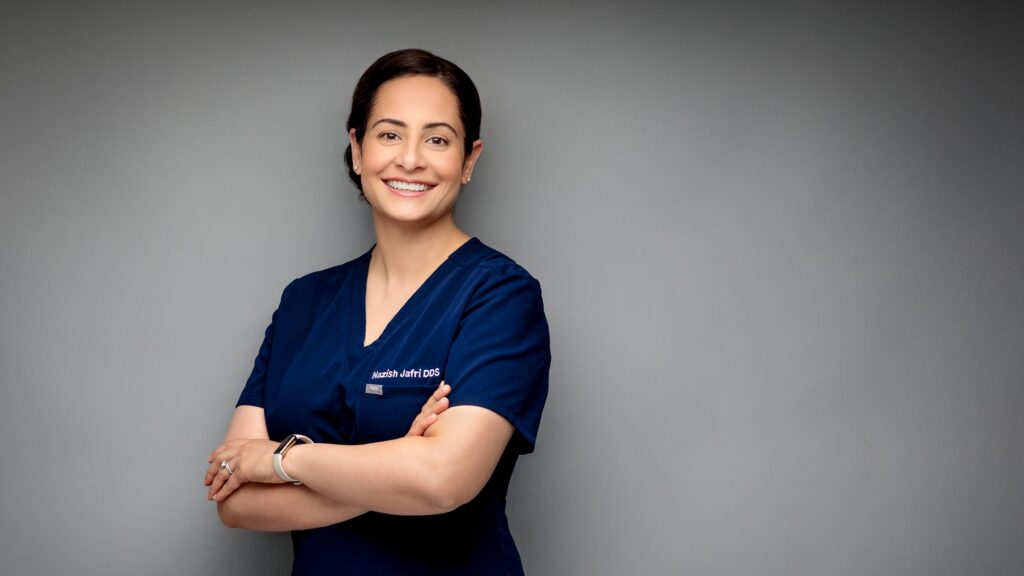
Dr. Nazish Jafri, DDS, is a highly accomplished dentist, mentor, and business owner. Graduating from NYUCD in 2011, she quickly established herself as a respected leader in the dental industry. As the owner, CEO, and operator of Secure Dental, a leading dental service provider with 10 offices across state lines, Dr. Jafri has over a decade of experience in successfully managing and growing businesses. Her commitment to top-quality dental care and passion for mentoring the next generation of dental professionals have made a significant impact on the industry and inspired many. With a strong reputation for exceptional dental services, she is widely recognized and trusted by her patients across different states. Learn more about her and her dental services at www.secure-dental.com.
Social Media Handles:
About Aaron Brooker:
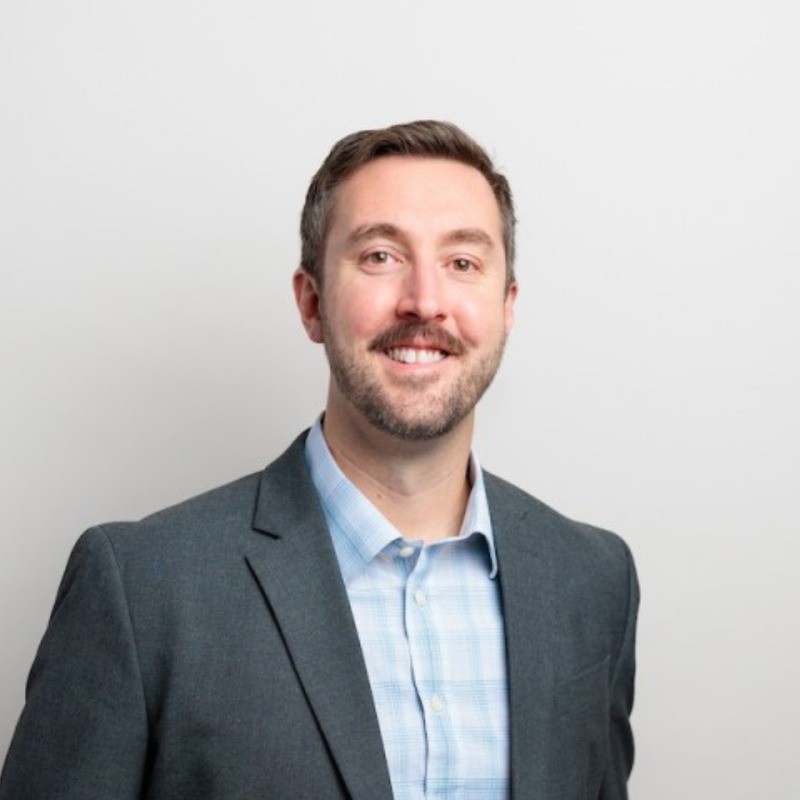
Aaron Brooker is a Disability Insurance Specialist at LeverageRx, where he helps physicians and dentists understand their disability insurance options through an education-first approach. He specializes in protecting income for medical professionals, with a particular focus on helping clients navigate true own-occupation coverage, underwriting concerns, and long-term asset protection. In addition to his work at LeverageRx, Aaron is also an Asset Protection Specialist at Leverage Planning, where he supports advisors and clients in safeguarding their most valuable financial assets. Before moving into insurance and financial planning, he spent more than 13 years as a middle school educator, an experience that continues to shape how he explains complex topics with clarity and practicality. Aaron also writes the Atta Dad newsletter through Friendly Insurance Dad, where he shares thoughtful and actionable ideas for dads, reflecting his approachable style and commitment to helping people make smart, informed decisions.
Resources:
Secure Dental-Aaron Brooker: Audio automatically transcribed by Sonix
Secure Dental-Aaron Brooker: this mp3 audio file was automatically transcribed by Sonix with the best speech-to-text algorithms. This transcript may contain errors.
Dr. Nazish Jafri:
Hey, good morning! It's morning in Peoria, Illinois, right now. Welcome back to the show. You know, they say dentistry is not a marathon, not even a sprint. But hey, what happens if a runner cannot find the race? What I mean is, for more dentists, most dentists like me are our greatest asset is the practice. Yes. Equipment. Yes, but sometimes you miss the point. It is our hands. The greatest asset is the hands. Joining us today is somebody who specializes in protecting those assets. Aaron Brooker is a Disability Insurance Associate at Leverage RX, where he helps dentists like us. The complex world of occupational protection. And thank you so much for joining us today. Let's talk about where every dentist is essentially one carpal diagnosis away.
Aaron Brooker:
That is a fantastic introduction. Thank you so much for having me. You set that up better than I could have. And people don't realize that the engine that's kind of helping them accomplish their goals is their ability to make money. And so, it's easy to imagine something happening to your hands, but there's also just illnesses and cancers and accidents that happen down the road, where these policies can just keep things moving in the right direction.
Dr. Nazish Jafri:
Yeah, you're right, and we don't realize it. Once we come out of dental school, we're like, okay, we're young, we're energetic, we're just right there, and we want to go and work. But we don't realize that after 2 or 3 years, we start having this very simple issue in our hands. And now it's growing and growing, and we need some attention towards it. And it turns into a carpal tunnel. And that's just the basic, or maybe just the back problems. I have had a few associates very young just because of their way of standing. They had herniated discs, and they're young. They don't have that much disability because we, as students, don't think of it. We just want to get the cheapest one, check, mark it, and just start the work. So, how does an insurance policy differentiate between similar sudden accidents? Because you think, oh, disability is for somebody who falls off the ladder and a crazy car crash, and there's a catastrophic accident or something like simple things like we do an eight-hour work using our hands, using our back.
Aaron Brooker:
When you're in your 20s and 30s, the only disability you can really imagine is a lot of times just a bad car accident. And so, what people forget about is these policies end up becoming the policy that protects you when there's a cancer scare, when there is carpal tunnel, when things are older and kind of creeping up and catching up to you. What a lot of people don't realize is that it's the illnesses later in life. And you're probably aware these policies are expensive for dentists because disabilities are a little bit common in that occupation. I mean, it is more expensive for a dentist to buy a disability insurance policy than a family physician, psychiatrist, or even a surgeon in some cases. And so, these policies are expensive because they're useful, and accidents happen, but so do illnesses and injuries later.
Dr. Nazish Jafri:
Yeah. And usually we think like, oh, I'm gonna buy a better policy when or a bigger policy when I get to make the money, or they don't differentiate between the graded and the level pricing because we're not aware of that situation. So, could you shine some light on what is graded and what's the level? And is it something that a new graduate should be thinking about?
Aaron Brooker:
Yeah, it would be very helpful to talk about different types of policies and then just some strategy. Okay. And so, what I specialize in is called true own occupation disability insurance. These are private policies that protect your own duties in medicine. These policies pay claims with language that says even if you're gainfully employed doing something else. So, if you could move on to education, if you could come sell insurance with me. If you want to make a TikTok, YouTube, or podcast channel, you can still get paid your disability benefits while finding ways to provide for your family with these policies. That is the type of coverage you're told to buy. That is what you want to buy. Now, the reality is, when you're coming out of dental school or just kind of new in practice, people will land a W-2 job that offers employer disability benefits. It is not bad to have group disability insurance, but group disability insurance is not going to be enough coverage. When your income goes up, the definitions are poor, and it's also not your policy when you move into private practice. What would be wise is to buy a private own occupation policy. When you're young, you have discounts at dental school. Sit on it for a while so that when you do move into private practice, you can increase that coverage to protect you the right way with the best definitions. So, employer benefits, you're going to have to be really disabled to receive some of those policy benefits. The other type would be like association policies. There are some cheaper Ada policies and some other ones floating around that are oftentimes great banded, where the policies get more and more expensive year after year, and the definitions are not as good. And so, if you were going to be optimal, you would want to buy this when you have discounts during dental school. That's probably the second-best time to buy the policy. The first best time would be the day before you're disabled. But since we don't know what's going to happen, you want to plan ahead for things.
Dr. Nazish Jafri:
And obviously, you cannot plan ahead for that last one that you said. We think we can do it later, and we think when the time comes or when the time is right, it's going to be okay. But at that time, it's kind of sometimes too late because you have to go through a lot of processes in order for it to get done. And when I've realized that from dental school till right now, in 12 years, we've changed quite a bit. And life happens, and we have different kinds of claims come up, and those things can come up from the graveyard in these decision-making processes.
Aaron Brooker:
You've got some good experience with this, it sounds like. And that's a great point, if you wait to purchase the policy, I mean, the policies are underwritten. So, these insurance companies don't just ensure you without checking things first. And my health history looked a lot better when I was 28 than it does when I'm 38 and have just banged my body up a few times. And so, they're going to check prescriptions, they're going to check billing codes. I can get you a policy without labs and physicals in most cases, but it's important to know that these policies can have exclusions or limitations for pre-existing conditions. And so, buying it earlier is better just because it's a more robust and full policy that way.
Dr. Nazish Jafri:
Yes, absolutely. I had an experience where we just refinanced our offices, just the business sense of it. And they needed us to get more disability. And I was like, why? Why does this matter to you? Like, why do I have to do this? Life insurance is fine. But no, that was a requirement. Okay. Now we went to the right because obviously I had that insurance from so far back. It was incomplete. There was so much paperwork that I had to do, and obviously, we had to go through the doctor's notes and stuff like that. And there were a few things that they wanted me to go and get the reports for, and it took a lot of time, whereas my loan was hanging and was contingent on it. So, it took me almost a month to just get that paperwork to them. And I realized that these things, we kind of put them on the back burner, thinking, oh, it doesn't matter. But when you are expanding, when you're opening up the practice, these things are very important. And I think now I'm more knowledgeable about keeping the tables, things like that. So, I wanted to see if you could shine some light on somebody who is applying for a practice loan. The bank requires life and disability. How do we satisfy them without overpaying?
Aaron Brooker:
That's a great question. I'm working on one case right now. The one case I've got the bank is requiring disability insurance. And so, there are two ways that we're looking at this with this client. One, her income is the most important thing. And so, she could satisfy the loan requirements with just a private individual policy. And so, this is going to replace her income. If something happens, it's going to satisfy the loan requirements and keep things in the right direction. Now there are business policies available, several different types of business policies. The most common one the dentist would look at is called an overhead expense policy. And so, if the dentist is disabled and unable to work, this policy is going to step in and can pay for the loan. It can pay to keep the lights on; it can navigate payroll. It can even hire another dentist while he or she gets better and gets a chance to get back to work. Those policies are not as expensive as you might think, because they only usually pay out for 2 or 3 years. It just gives you a chance to keep your practice profitable and not have to sell it for pennies on the dollar because you're in a desperate situation and figure out what the next stage of life looks like, whether that's recovering and getting back to work, or whether that's finding somebody else who can kind of take your practice. So, to answer your question, Dr. Jafri, those questions can be paid for by the business. And a business overhead policy is not as expensive as people think to protect $20, $30,000 per month.
Dr. Nazish Jafri:
And that is something we came across, too. That's the first time I learned about business overhead. Otherwise, if we were to do our personal policy, it was getting expensive, pretty expensive. And we found out about this one. And also, I realized that not one insurance can give you that much. They can cap up to 15,000 or $20,000, and sometimes you have to find more. So, what would you say when somebody is trying to get a quote? Is it a good idea to have somebody contacting like you who can find different insurance companies for them in the market? And the due diligence for us.
Aaron Brooker:
Absolutely. It's always a good idea to talk to an independent broker who can run you quotes from multiple companies. And so, prices are based on age, state, gender, and job. But different companies are going to price those differently. And so, Guardian and MassMutual end up pricing dentists mostly pretty well for their own occupation policies in these cases. But you would look at emeritus, principal, and standard as well. I think that your risk management strategy is really the most important thing for a client. Nobody is making you be fully insured. I mean, if we knew what was going to happen, I would buy all the right insurances right away and feel good about that, right? But you want to do enough to avoid a GoFundMe and to keep the lights on and to just, you know, create some dignity and keep your goals intact. And so, sometimes that might be fully ensuring everything, sometimes that might just be $15,000 a month to make sure that you feel safe about what could happen. I came from education, and so I'm a little bit risk-tolerant. And so, what happens is I probably undersell some policies in some way just because I think anything is better than nothing. It's nice to have coverage, but you should talk to an advisor who understands what your goals are and can help you understand what it looks like to check the box and what it looks like to be fully insured, and you can decide what works best for you.
Dr. Nazish Jafri:
Yeah. And what common mistakes do you see dentists making when they're rushing to buy the policy at the right time, like at the last minute, or are there some points that you can shine a light on to be mindful of?
Aaron Brooker:
Yeah. The most common mistake that physicians and dentists make on this is just assuming that their employer's disability insurance is enough. And so, this reinforces the idea of getting a policy early, even if it's a small policy. I had three dentist friends last year that I helped out, just personal friends, and we bought the policies while they were in training, and they got a 20% discount forever. Okay, so every future purchase, every future increase is going to have a 20% discount on that policy. That is huge savings, lifelong, and a huge peace of mind for their family and for planning. And so, I think that the mistake I see the most is people just waiting too long. And then they do have to rush, or then they do have to have an exclusion on the coverage.
Dr. Nazish Jafri:
And I've also seen with employer ones, some of them are very strict, so they don't cover you, or you have to leave it, and you have to apply for another one. And those are very tough because sometimes doctors are leaving after 5 or 6 years of their service in that practice, and now they have to start all over again, and things have changed. So, at the same time, when they have employer coverage, they can apply for their own too, right? The owner occupies one.
Aaron Brooker:
Yeah. Let me just like run some math for you. Let's just say you're at a job making, I don't know, $180,000 a year. Okay. We can't protect all $180,000 because then people would stay disabled. But the general rule is you can have about two-thirds of your income protected. Okay. And so, being fully insured is having 100. And we'll just say this is napkin math, but having $120,000 of disability insurance. Okay. And so, we dive into somebody's employer plan. And that employer plan says they pay 60% up to sometimes it's ten, sometimes it's 8000. I mean, sometimes there's no employer benefits, but an employer plan is going to cap off somewhere, and how much it pays. And an employer plan is still taxable. Even if they have really good employer benefits that pay $10,000 per month. If you're totally disabled after taxes, that ends up being, you know, $80,000 a year. And there's a gap that we can fill with the private policy. And so, that gap might be small, but there's still a gap that we can fill with a private policy. We're still going to fill it with better definitions. And like we said earlier, most importantly, we've locked our good health into the coverage so that when new opportunities come in private practice, we're set up. We don't have to go through underwriting again as a 41-year-old with a CPAP or whatever, because my wife complained about me snoring, you know, like it's just all set up and taken care of.
Dr. Nazish Jafri:
Those were very golden points. And I've seen a lot of situations where what you have said, I've seen it in real life. And you're right, even at 31 years old, you just don't know. And it's a good thing to have that coverage and do it when you're healthy and younger. So, Leveragerx, the company that you have. It works with many different carriers, right? And what are the specific red flags or exclusions you're seeing in policies today that we should be mindful of? And especially regarding mental health and graded premiums.
Aaron Brooker:
So the most common exclusion I get on policies with the residents and the dental students would be mental nervous claims, and people were stressed out. There's some medicine to help out for a season of life, and that's not uncommon. That's fairly normal. However, the insurance company has to mitigate that risk and say we will not pay for outpatient psychiatric claims. That happens quite a bit. Okay. That's just a normal exclusion from underwriting. That is not uncommon. When you're looking at quotes, you need to ask, are these policies leveled or graded? And unfortunately for dentists, a lot of people are shown graduated or graded premiums because the policies are expensive for dentists. You know, if I'm talking to a 26-year-old and say, " Hey, this is going to cost $250 per month, that feels like a lot of money coming out of a tight budget. And so, a lot of times, people will sign up for graduated or graded premiums. And it's mostly very common for dentists to be shown that, especially female dentists, because the policies are expensive. And so, what a graded premium is, is a policy that starts off cheaper. And then year after year, the cost goes up and goes up and goes up. And that's designed to kind of match. You know, your income goes up, too. The problem with a graded premium, the insurance companies are better at math than we are. And so, they've already mapped this out. I mean, unless you're willing to get rid of your policy when you're 40, 43 years old, you're going to end up spending a lot more money on disability insurance with a graded premium, and so you can level it out later when your income is secure. But again, the math has been done, and that annual level price, if you wait to do it later, is going to be more expensive than if you would have just eaten the cost and leveled it out early on. The problem that I see is that a lot of people get upset that their graded premium is now so expensive that they want to go shop again, and I might be able to save them a little bit of money, but they're going to have to go through underwriting again to switch policies. And so, we've talked about this. Oh yeah, that back pain has been bugging me. I really need coverage on my back. I could see this getting into a problem. I'll just pay more money for this graduated premium that gets more and more expensive. They get stuck in the policy.
Dr. Nazish Jafri:
Yeah, correct. As I said, the reason for my question was that I was asked this question too, when we were doing our disability insurance and trying to find it. And you're right, you had to go through the whole underwriting again, and it took so long, and I couldn't understand what they did. But the way you have explained it, I can resonate with it really well. And I hope the listeners who are associates could really understand the caveat of starting it early and understanding how and when the insurance gives you chances to level it out. You know, just don't delete those emails and junk them out. You sometimes read them because your insurance carrier is constantly every year giving you those emails, you know, hey, you're ready. Hey, you're ready. Are you ready? Read them carefully because you will need them at one time.
Aaron Brooker:
This is a big thing that I'm on this year, a lot of brokers like myself show spreadsheets, and spreadsheets are helpful to compare things, but I'm only showing information that I want to show somebody on a spreadsheet. It's important that you ask for the actual illustration so that you can read about what features look like and some of the smaller details. There might be features that you're not aware of that were not even offered to you, or there might be ways to save money that you're not aware of because brokers get paid on how expensive the policy is. And so, you could hide a graduated premium that way, or just, I say, gas up some of the features to make the policies more expensive. And it might not match your protection goals.
Dr. Nazish Jafri:
Yeah. You're right. And I think illustrations, I'm really good with illustrations. I cannot for the life of me read spreadsheets. I get like cockeyed, and I don't know where to read, but illustrations, maybe because I'm a dentist. I like seeing the work and stuff in color. But illustrations, yes, are really, really helpful.
Dr. Nazish Jafri:
For us to understand. So, that's a good point. Ask for illustrations.
Aaron Brooker:
Those illustrations should have been graded and leveled premium scales on there. So, if they were given to you, you know, you could figure out the math yourself.
Dr. Nazish Jafri:
Yeah. And visually, when you look at it, you can understand it. It sounded better. I usually do understand better. You've been on the same side of the business, obviously, a lot, and you've seen a lot of claims go through and be denied. What is the biggest lesson you've learned watching a dentist actually having to use their policy?
Aaron Brooker:
My claims are coming in another ten years. I've been in this business for eight years. We have processed quite a few claims. I've done this at a high level, but I have a young client base, and so we are prepared for this to start growing. My biggest advice is to just document things. I think when in doubt, you talk to your advisor. You don't have to talk to your advisor for privacy reasons, but I think you should consider talking to your advisor and a lawyer. It is in everyone's best interest, including the insurance companies, that claims are paid swiftly, justly, and fairly. And so, documentation is going to be the key to that. What happens with a lot of people is that there's dignity and ego involved in the injury or illness, and people want to work. And so, accepting that their income is suffering because of an illness or injury is hard to do. People try to put that off. And so, my advice is that it's all going to end up with a paper trail at the insurance company. So, when there's a doctor's visit, make sure that's noted. Make sure that the hours worked and loss of income are noted. And then it doesn't hurt to just talk to an attorney ahead of time. These guys are good at this. Most claims, it's easy to see that somebody can't work, and the majority of claims get paid out easily. Hey. Yeah, you have this diagnosis. Here's the money. And sometimes it does get into the weeds. And just having an attorney there to help you is wise.
Dr. Nazish Jafri:
Yeah. So, documentation is really important. Like, I can resonate with it. When I had to figure out where some of the results were, I couldn't find them out because I'm pretty healthy. I didn't care where they were, and I never had a login. It took a month for me to go back and forth. And it was very frustrating because you're like, you want to do clinical dentistry, you want to get that loan done, but now you're trying to figure out your documents. And I went through it. So, you're right on point.
Aaron Brooker:
Yeah, my old job was talking to, you know, maybe upset parents in the rough part of town about their kids. Now, my job is telling physicians and dentists that they have health issues they weren't aware of. And those are the hard conversations that I have now. People are surprised by how things actually got billed or what's noted in their medical records. But when it comes to claim time, I mean, documenting early is definitely the most important part.
Dr. Nazish Jafri:
Yeah. So, that would be, I think, a reality check for us dentists. Make sure that you're documenting. The other point that I hear you saying is to start early and ask questions, right? And so, you're aware of what your plans are like and what the possibilities are for you.
Aaron Brooker:
Absolutely.
Dr. Nazish Jafri:
Any other advice you would give to a business owner who is transitioning?
Aaron Brooker:
I do have one more. For business owners. And the hard question you don't want to answer is if you know my hygienist or my assistant got cancer or couldn't work. How long do I pay this person before I don't pay them anymore? There are insurance policies that help you answer that question. And so, we've talked about discounts, getting discounts early on through dental school. If we bring several employees into an underwritten policy, we can grab the same discounts again later in life. And so, you're realizing that your income is important is one step to protect it, but it's also realizing that your employees' incomes are important too. And so, giving them an opportunity to purchase income insurance can create huge savings for everybody's policies. And so, that's a little hack we do, which is we can create just an employer discount. And if there are, you know, 3 to 7 people that might be interested in buying even small policies for a hygienist or for an assistant or whatever it might be, that is a way to save big money on you, the dental practice owners. Bigger policy.
Dr. Nazish Jafri:
Yeah. That's important. The other people's income is also the office is dependent on that. You're right. Yeah. So, the employee and your company would give policies out for a personal one, and also employee-driven for companies as well, right?
Aaron Brooker:
Well, I guess what I was just describing would be that everybody would get their own individual underwritten policy. And, you know, the practice owner wants to subsidize that cost somehow. I mean, this would still be your employees' policies to go with them wherever they go. But by having several people apply, everybody got the same discount.
Dr. Nazish Jafri:
Mhm. Okay. Like a group discount. Yeah. They can take the policy with them.
Aaron Brooker:
Another conversation would be about the benefits, employer benefits that you can provide. This would just be saying, hey, you know, we've got seven people here. You're all important to me. I want your families to be taken care of. If something happens to you, assuming we're relatively healthy, we should all think about getting one of these policies. And this is how we can do it to save money.
Dr. Nazish Jafri:
Now, when multiple practice owners who have more than 2 or 3 offices and they are with, let's say, a payroll system, Cedar or ADP, and they also give disability insurance, can they add more insurance with the.
Aaron Brooker:
The term is usually supplemental, which is what this would be. Yeah. As we described earlier, you've got an employee who makes $80,000 a year. They could buy a little tiny disability insurance policy. But if you've got enough, I mean, it's theirs for when they move on from you. If they do end up moving somewhere else, or if they contract work or whatever, it is, like the same way a physician and a dentist has income, that's important. I mean, everybody's in the same boat. And so, if you have enough employees interested in something like that, then we could get the discount on everybody's policy, which could save a practice owner 20% on coverage. Yeah, that would be an addition and different.
Dr. Nazish Jafri:
And I think that is going to be a plus.
Aaron Brooker:
Lots of differences from your employer's benefits.
Dr. Nazish Jafri:
Correct. And it's going to be a plus for employee retention as well. Because right now everybody's like, okay, what benefits do we get? Yes, we get the salary, but what other benefits can we get? So, they don't have to worry about these things? It's like a good hiring policy as well. People do look out for these things nowadays. As I said, Aaron, it was very helpful because you pointed to certain things that we've experienced and I've gone through myself, and you've made it really simple and easy to understand. And again, if there was one takeaway, I think you shouldn't just get a policy when you're a student and set it and forget it. As you age, you want to keep checking it every year or two years and make sure that you're talking to the advisor and checking their emails when they are coming in for renewals and things like that. Very important because it's a living part of your business strategy and you just don't know what happens tomorrow or where you get that body ache from, and suddenly you have plantar fasciitis, you cannot stand or you have carpal tunnel syndrome or you have back, which is herniated. And now you're thinking about these things. If you haven't reviewed your future increase options, please do. And the definitions. Yeah, discuss the definitions and what your needs are, and how your needs are progressing in the future. 100%. Any last words, Aaron, that you think would benefit?
Aaron Brooker:
Well, you've got a firm grasp on this. And so, I'm so glad to hear you've sorted it out. You've experienced this firsthand. Thank you for just providing a platform where people can talk about important things and, you know, just be aware of some of the things that aren't talked about very often.
Dr. Nazish Jafri:
Yes. Nobody teaches you this in school. And like we did it the hard way as we were going, as we were almost signing the loan, as we were going to an associate position. We found it out that way. And I really believe my platform is just so people can learn from the mistakes that we've done. And there is so much knowledge out there, like you are there to help them, and you're an easy person to talk to, and you're making it so easy for them to understand it. I think once something is easy, the process is easy. People accept it better than just looking at the spreadsheet. The spreadsheet makes people scared, or they just don't want to ask questions.
Aaron Brooker:
Yeah, that means a lot to me. I mean, just specializing in disability insurance has been one of the biggest blessings, I think. You know, 15 years ago, these were just sold by financial advisors, and they were really complicated. And it does not have to be that hard when you have specialists who can kind of break the important things down in a tangible way. So, thank you again so much.
Dr. Nazish Jafri:
Yeah. So, Aaron, thank you for sharing the light again on these blind spots that we sometimes don't realize as dentists. And, you know, we're just a clinic and be done with it, and work well, we'll have links to Aaron's LinkedIn and LeverageRx in the show notes. And Aaron, you were saying that you're going to give us something that we can put in the link as well.
Aaron Brooker:
Yeah, we'll get a link. We can track it back to the show. And yeah, that way we can just know how many, you know, what your listeners are looking through this, and it'd be good to give them some white glove treatment that way.
Dr. Nazish Jafri:
Yeah. Perfect. Well, thank you so much again. I highly appreciate your time.
Aaron Brooker:
Wonderful. Thank you.
Dr. Nazish Jafri:
And this is all from me today from Secure Dental. I'm your host, Nazish Jafri. Thank you.
Sonix is the world’s most advanced automated transcription, translation, and subtitling platform. Fast, accurate, and affordable.
Automatically convert your mp3 files to text (txt file), Microsoft Word (docx file), and SubRip Subtitle (srt file) in minutes.
Sonix has many features that you'd love including advanced search, upload many different filetypes, automatic transcription software, powerful integrations and APIs, and easily transcribe your Zoom meetings. Try Sonix for free today.