

How Great Office Managers Keep Teams Aligned
Summary:
Great offices are not built on talent alone. They are built on systems, steady communication, and leaders who can jump into any role when the day gets messy.
In this episode, Dr. Nazish Jafri sits down with KLa Carver, a longtime manager at Secure Dental’s Davenport, Iowa office, to unpack what it really takes to run a high-volume, multi-doctor practice. KLa shares how learning every position, from front desk to insurance to assisting, made her a stronger office manager and a better coach for new associates. They dig into practical routines that protect the schedule, reduce waste, improve case acceptance for full-arch cases, and keep teams aligned through daily huddles, smart confirmation systems, and clear accountability.
Tune in to hear how KLa leads with calm, builds trust with both patients and doctors, and keeps the office moving even on the hardest days.
Things You'll Learn:
Learning every role in the office helps you lead with empathy and solve problems faster.
Communication is the foundation of teamwork, especially when the day gets chaotic.
Organized inventory works best when everything is labeled, categorized, and easy for anyone to restock.
Morning huddles create daily alignment in a way monthly meetings cannot.
Difficult patients often need calm reassurance, clear education, and a team that does not take reactions personally.
Big cases run smoother when discovery, consents, medical steps, and finances are handled before surgery day
No-shows drop when patients get multiple reminders and the office holds firm confirmation standards.
Hard conversations are part of leadership, and avoiding them can weigh down the whole team.
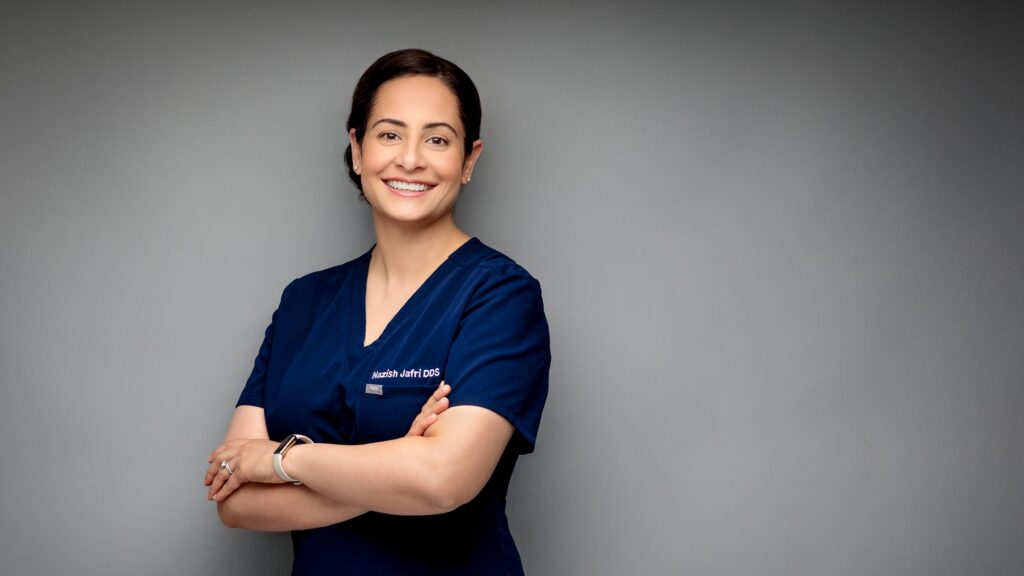
About Nazish Jafri:
Dr. Nazish Jafri, DDS, is a highly accomplished dentist, mentor, and business owner. Graduating from NYUCD in 2011, she quickly established herself as a respected leader in the dental industry. As the owner, CEO, and operator of Secure Dental, a leading dental service provider with 10 offices across state lines, Dr. Jafri has over a decade of experience in successfully managing and growing businesses. Her commitment to top-quality dental care and passion for mentoring the next generation of dental professionals have made a significant impact on the industry and inspired many. With a strong reputation for exceptional dental services, she is widely recognized and trusted by her patients across different states. Learn more about her and her dental services at www.secure-dental.com.
Social Media Handles:
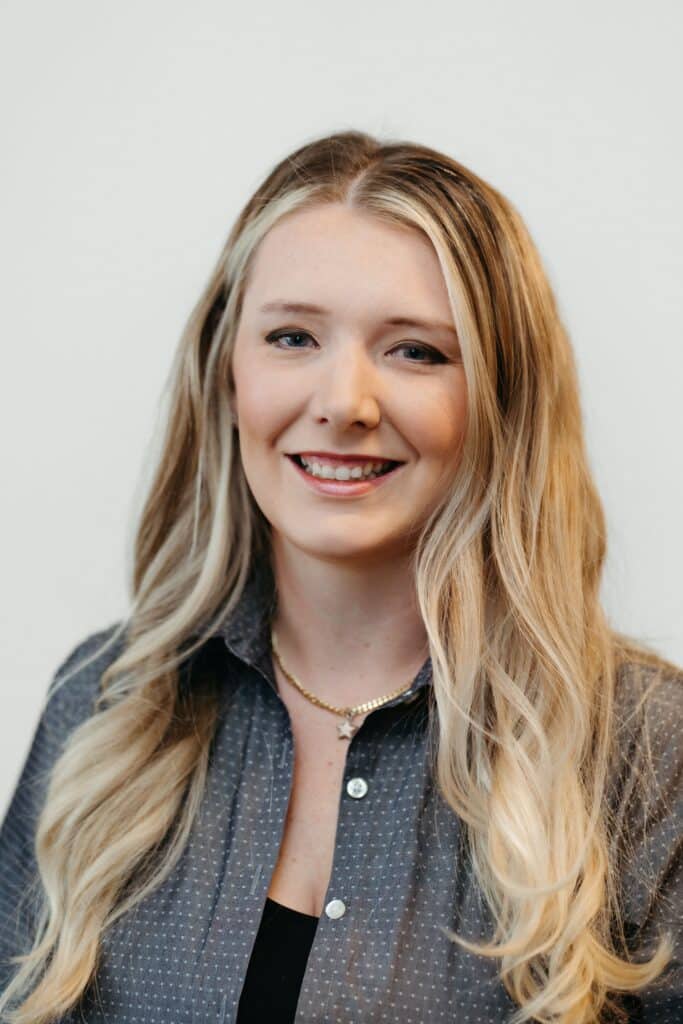
About KLa Carver:
KLa Carver is an experienced dental office manager with a strong background in healthcare management, HIPAA compliance, and practice operations. She has hands-on experience across multiple roles, including front desk, insurance coordination, and chairside support, and now serves as an operational leader in a fast-paced, multi-doctor clinic environment. She is skilled in communication, team leadership, scheduling strategy, and patient education, with additional experience in marketing and merchandise sales. KLa holds an Associate of Science degree, is currently pursuing a bachelor’s degree in Human Resources, and is a SHRM member focused on updating and implementing strong HR practices.
Resources:
- Follow and connect with KLa Carver on LinkedIn.
Secure Dental-KLa Carver: Audio automatically transcribed by Sonix
Secure Dental-KLa Carver: this mp3 audio file was automatically transcribed by Sonix with the best speech-to-text algorithms. This transcript may contain errors.
Dr. Nazish Jafri:
Hello! Good morning to Secure Dental podcast. Again, this is your host, Nazish Jafri, and I'm a clinician and a CEO for my office. And today it is a special day. Actually, I'm very excited to be talking and masterminding with KLa, KLa Carver. She's been with us since almost 13 years since we opened up my second office. And she's grown into an incredible, incredible power engine for our organization in one of the offices in Davenport, Iowa. She is, I would say, an operational engine of a high-volume multi-doctor clinic. And since Secure Dental serves a diverse patient base, she has tactics and strategies that she has developed over time, which help her to be a successful leader in her Davenport office. And I would just let it be at that. And then we start asking her what her journey was like. So, hey, Kla, good morning, and thank you for joining us today.
KLa Carver:
Thank you for having me.
Dr. Nazish Jafri:
Oh, absolutely. Absolutely. It's an honor to have you here. You've been with us for a long time, me and you, we grew together making this organization.
KLa Carver:
It's been a journey for sure.
Dr. Nazish Jafri:
Yes, yes, it's been a journey for sure. So, tell me about yourself. What made you come into dentistry?
KLa Carver:
I had a really great experience when I was a kid, and I was having ortho treatment and stuff like that on, and then I went to a general dentist for checkups and cleanings, and I was like, I really like this. And I could see myself doing it. So, I pushed myself to go to school to become a dental assistant. And then after I graduated, I applied for dental, and you guys hired me as a front desk, not a dental assistant. But I got to do both, actually. So, it was kind of even better.
Dr. Nazish Jafri:
I remember when we did the first interview, we were actually still building the office, and we had started hiring before because I wanted to make sure, you know, we have a successful team to begin the office the first day. And we had met in the North Woods Mall in Moline, outside a coffee place. And you had brought your daughter in a car seat. And she was so young.
KLa Carver:
She was a newborn.
Dr. Nazish Jafri:
Yeah. She was a newborn. Yeah. And that's dedication. And right now, she is a young girl, and she's a dancer. And you are a mom of two kids. So, that's kudos to you. You know, balancing everything from a young age and developing yourself and your kids. That's amazing.
KLa Carver:
Yes. Thank you.
Dr. Nazish Jafri:
So tell me, how was your experience? Because I know you have been the front desk. Then you were an insurance coordinator, and you did all the nitty-gritty stuff of insurance coordination, and then you became an office manager. Tell me your journey and what you have learned of managing a team during this time.
KLa Carver:
So maybe in a manager, I feel like I'm more successful because I got to learn every position for the office. So, I understand how the day in and day out for the front desk, whether checking patients in or if we're doing insurance, the claims, the billing, and then also the dental assisting team, the X-rays, the processes, and everything like that. I feel like all of those combined make you a really good manager, because you can understand everybody's viewpoints and what they're going through and what they need from you as a manager to help them be successful.
Dr. Nazish Jafri:
Mhm. Yeah, absolutely. What would you say is your key strength when you are managing people?
KLa Carver:
Understanding. I think communication is one of the biggest things that I have. Being able to communicate what they need. I say it every day to the team. Like we got to communicate. If you need something, I will step in and help you. If they need something from us, they'll step in and help us, too.
Dr. Nazish Jafri:
Yeah, I think that's one key strong point that you bring is that you know, each department, you know, each person's job responsibilities yourself. You can plug yourself in any one of them and you understand what goes behind the scenes for that person. So, when you're helping them, it comes from your experience. It comes from your heart. It's not like you're aloof from that job requirement. I see that you can do anywhere from insurance eligibilities to ledgers to sterilization to lab being on the floor to fix any computer scanners and CT scan machines and stuff like that. Yeah, right?
KLa Carver:
Yeah. I like to learn more things and be very, very hands-on. I don't like to hesitate. I like to just dive in and go. So, yeah, I do fix some things around here too.
Dr. Nazish Jafri:
Yeah, quite a lot of things. Quite a lot of things. Yeah. And me and you, we have also, I know when we were, I think it was three offices, we were still doing our orders. Like separately, people would email me, and we would do the orders. And there was like all over the place. And I think at the fourth office, me and you sat down and we're like, this is driving me nuts. Everybody has different needs. Everybody has different stuff. I don't know what's going on. Chicken with no head. And then we developed a Google Sheet, which is still ever-changing. But I think that kind of helped. What would you say if there is an office manager struggling with something like that? What would you say to them about like inventory?
KLa Carver:
So I took an extra day, and I organize and I labeled everything. I said, if I'm not here, if I don't have a lead and somebody is putting the order away, I want to make sure that they know how to do it. So, I labeled everything. And then we made that order sheet, and I have it by category. And that's how I organize my closets to have all the inventory for the items and where they go. So, it would be very easy for anybody coming in. And it's less stressful for everybody, especially when you want to do your order and do your inventory. It just takes me like 20 minutes.
Dr. Nazish Jafri:
Yeah. Because like, instead of being reactive, you actually made a proactive strategy for yourself. So, you know exactly where everything is. It's labeled. It's clear for any new team member to come in and understand where the things are. Do you also have a method to do inventory on production numbers?
KLa Carver:
So production numbers. Yeah. So, are you talking about for like ordering like production and how much we order? So, our production for the month, we usually take about 3% out of that is just strictly just for ordering of supplies and stuff like that. Sometimes we may not need something quite yet, and we'll wait a little bit on that. But we try to stay very, very within the budget. And usually we have like a surplus because we're just very, very good at managing what we're using. So, we're not wasting supplies too.
Dr. Nazish Jafri:
Yeah, yeah. That's very important because sometimes when the owner dentist is not working and it's somebody else, people don't really respect the stuff that it should be. And there's a lot of wastage. And you kind of it's very hard to track that wastage. You're just paying money for it, and it's going down the drain. Yep. I think it's a good strategy that you already have proactive measures for inventory, and you're not running dry. Let's say you're doing a comp core and you don't have it, and suddenly you have to borrow it from another office, or your rep has to overnight it for $32.
KLa Carver:
We try not to do that. That's why we keep a good inventory. And we even do like a mid-order, so we can reevaluate and maybe order a few extra things that we might need to get us through until we make that big main order at the end. But yeah, we try to be very conscientious of what we're ordering and how much we're using. Like, where is it going? What are we doing?
Dr. Nazish Jafri:
Correct, correct. No, very, very correct. And I think I'm not that big of a fan of hoarding stuff, because sometimes when you order and it says buy two, get three free, those three don't come down till 6 to 10 weeks down the road. By the time you need it, you forget about it. You're still ordering, and that stuff is going to come in and then stay on the shelf for a little bit. And now you are stuck with maybe expiry dates coming in soon. So, we usually order like twice a month. One big order and then one necessary order mid-month. So, it keeps it consistent, and nobody runs out.
KLa Carver:
Yeah. Definitely don't like that.
Dr. Nazish Jafri:
No. You also manage multiple doctors and different personalities. They come from different offices in Davenport. How are you prioritizing your production while you're managing different clinical styles of doctors? Like if somebody's listening to you and you can give some pointers, what would your pointers be?
KLa Carver:
So, for like new graduates and stuff like that, when they're coming in, I try to have a one-on-one conversation with them, see how they're doing, what procedures they might need a little bit more time on. But what I like to do is I like to be able to give them a little bit of everything. So, that way they get used to seeing some fillings, root canals, extractions, and stuff like that. So, that way the more you do it, the better it gets and stuff like that, and the easier it gets. And I'm there for them too. So, I'm there if they need an assistant, they need someone to go over the treatment plans, explain things to patients. I'm the one that always like goes over that with them. A lot of associates are a lot different. Everyone is different. One of them could love crown preps or hate them. It just takes a little bit of time. But as an office manager, you got to be patient. You got to be understanding and you got to help them. So, I'm always there to help.
Dr. Nazish Jafri:
Yeah. And they balance their clinical needs. You're exactly right. Sometimes their skill level can be different. The ask of a patient can be different. And if they're just like a year or six months out of dental school, obviously, they're struggling with their time management. So, communicating with them, encouraging them, let them know that you're behind them. I think is the key because then they know who to come and ask questions for. Usually when dentists students come out in the clinical world, they don't want to ask questions because they don't want to feel bad or they don't want to feel under-skilled. So, it's kind of hard for them to ask questions like time management, if they're running behind, if the patient's mad, if there is a little friction with the team member. They would probably keep it to themselves, or maybe become aggressive, or just shut down totally and just go with the flow. But if you are unconsciously available to them and you're in the hallways and you're near their operatories, they tend to start making that communication with you.
KLa Carver:
And sometimes it's like they need pointers to when they're coming in. A lot of them may not have the confidence with some of these patients to. And that's okay. Or maybe they're doing one procedure, and I'll be like, hey, doc, why don't you numb this one up? So, that way you can spend a little more time here. And then I sometimes go in and I chat with the patients for a bit to distract them a little bit before a doctor comes in to. So, you have a little bit more of a fun conversations going on. It's a little bit easier for them.
Dr. Nazish Jafri:
Yeah, that's true because once the understanding between the patient and the doctor is already set, I think the conversation for a new clinician is easier to start off. Mhm. It's just all comes down to how you're communicating and making that three-point connection between you and the patient, you and the team member, and you and the doctor. So, everybody's on the same page. How about morning huddles? What do you think about morning huddles?
KLa Carver:
Like morning huddles are good. It gives the team like a recap of like what we might be preparing for the day, or maybe something that happened yesterday that we don't want to happen again because that's happened before too, or we're just kind of addressing things to make sure the day runs smooth. Doing like meetings monthly isn't enough. The morning huddles is what helps tie it together, but once a month meeting is not enough. There's so much communication, so much extra stuff going on that we need more now.
Dr. Nazish Jafri:
Absolutely. Because every day, and I think every patient is an experience and is an education experience. Every need is different. And you have so many stories to tell about it and learn from it. Yeah, yeah. You just don't know when a patient comes in. They can be in a very different mindset. And when they sit in the chair, they can be in a very different mindset. And sometimes they get scared, and they get off the hook. You have to control it. And sometimes you have to dismiss the patient too, and let the doctor know, you know, that there was no point. You tried the best to calm the patient down. Tell me a scenario where you had to deal with a really difficult patient. I know you have tons and tons of stories. Which one comes to mind and how you dealt with it?
KLa Carver:
Okay. Oh. So, many. A lot of times. A lot of times it's just communication. We had a patient. It was actually last week. He had so much calculus, so much buildup that we were removing it. And he thought we were breaking his teeth. And we were trying to explain it like, hey, you know, this is what's going on. You know, we're cleaning it out. So, just trying to reassure him and educate him. He wasn't happy. Okay. So, doctors stopped. We didn't bill out for the cleaning at all. We let him go. Hey, you know what? You can find another provider. We can contact your insurance, and they should be able to help you. Well, the patient came in the next day and apologized to me for the way he behaved, and he wanted to continue his treatment. I unfortunately.
Dr. Nazish Jafri:
Cleaned up.
KLa Carver:
So that he could get the rest of the cleaning done because he realized we were right. We were cleaning all this calculus build up, but it's just different mindset, different day. So, sometimes that's what patients are to like a different day, a different circumstance. Like, even with our sedation fix arch, she was throwing up. Not in a good mindset. It was a lot for her. And then she came in just yesterday and brought flowers to the team and said, hey, you know, I'm so appreciative, so thankful. I could tell with the look in your eye that, like, you weren't gonna leave me, and this is gonna work. And so, she was very appreciative. So, sometimes it's rewarding.
Dr. Nazish Jafri:
Yeah. It is, it is. And I know when you are in that situation, you're trying your best to calm the patient down. But I think the ultimate person to be calm is yourself. Mhm. And just understand that it's not to be taken personally. The patient is going through some kind of issue or trauma or pain. Maybe they just don't want to be at the dental office at this time. And we don't know what mindset they are in, but we just keep ourselves calm so we can let their procedure go through, because obviously, they are in need. They're in our office. They trust us. They have trusted us with their work. They've trusted us with their money, and we're there to help them out. We just have to let them come over that bridge somehow. And then that's how your communication comes into place. Just don't take it personally.
KLa Carver:
No, no. I tell all my new hires different day. Patients are in pain a different day. They're probably a different person outside of here. Just keep that in mindset. Be calm. I mean, that's what they need to from us. It's just a rock. We need to be like that rock formation. And just so that way they can lean on us for a little bit until they get over it.
Dr. Nazish Jafri:
Yeah. Yeah, absolutely. And when you see those smiles come back, and they're happy, that's the day that you get like that humbled and satisfying feeling that, you know, you accomplished what you were, what you were trying.
KLa Carver:
That's my favorite part. Before and after are my favorite parts.
Dr. Nazish Jafri:
Yeah, they're just amazing. You can see a different color in the patient's eyes. And I think when the doctor sees that, too, they feel very confident because it's not a one-man job. Yes. The handpiece is being held by the doctor, and they're doing it. But to reach that state and the end of the state, there are like 3 or 4 people heavily involved in that part of the treatment to make it successful.
KLa Carver:
There's definitely a full team environment to make it all happen. You're right.
Dr. Nazish Jafri:
Yeah. True. You also do a lot of high-ticket, fixed full-arch cases in Davenport. Tell me what your method to the madness is in closing those cases.
KLa Carver:
Yeah. So, many patients come in. Sometimes they know what they want. Sometimes they don't. So, I educate. So, I show them samples of what a fixed arch is, what a denture is. I can sometimes speak with experience because my own mother has centers about some of the hurdles and obstacles that they might face with dentures. And a lot of them they already know. They know like they hate the lower denture. They hate this. But I just educate. I show them the pictures. And I made like a spreadsheet graph so they could compare like the different options that we have, whether it be a resin, whether it be a zirconia or an overdenture. They have all of those laid out, the pros, the cons, everything is there, and what's included. And then I go over all the steps too.
Dr. Nazish Jafri:
But what are the main questions that you consistently like get from them?
KLa Carver:
A lot of the questions. Is it gonna hurt? I heard that it doesn't work. I've had some questions like that before, but a lot of people, when I explain it to them, I show them how it works, how an overdenture works, and stuff like that. They usually pretty much understand it. A lot of times, it's coming down to financing, like how can I afford this now? So, then I go over the options and try to check every avenue we can to see if it's something we can fit into their budget.
Dr. Nazish Jafri:
So, the main objection to closing a $20,000 to $50,000 case is, I think, 90% finances. And they would say, I cannot afford this. I do not know that it's going to be this much. Why doesn't my insurance cover it? What is your go-to? What are your go-to pointers? Yeah, yeah. Because interest is like a, I think insurance is like a coupon, regardless, it's like state Medicaid, or it's PPO, it's just a coupon. It doesn't cover too many things, and they still have to pay out of pocket.
KLa Carver:
Yes, it is. For insurance, I let them know you have this insurance, which is great. You always want to stay positive for them. You want to be like, hey, you know it's great that you have this. This is how much they would cover towards this procedure, whether it be $1,000, if they feel like they are saving like a tiny bit, I'm gonna say like, they love it. They love to be able to utilize something that they're paying for. So, whether it covers the extractions, and that's what I always say. I'm like, you know what the good news is, your insurance is going to cover the extraction. This is the co-pay for the fixed arch part. And then they like to know that their money is being spent well, and that their insurance that they're paying for is actually helping them. So, I try to keep it very positive when we're talking about insurances. So, that way they're not negative and the conversations negative because sometimes they have a hard time justifying if they're worth 15,000, $25,000, you know, they have a hard time understanding if they're actually worth that.
Dr. Nazish Jafri:
You said that, right? The people don't realize what they're worth, and they might just say, no, I don't want it. It's too expensive. I can buy a car, or it's a down payment for a house. Yeah. Or it's a down payment for a house. I would rather buy something else with that and to bring them back to why they were here. The actual why is very important in conversation because there's a reason they're there. They're the reason they're sitting in front of you today. They took the time off. They had a ride to bring them. Sometimes they're older, they're 68, 78, and they come with their spouses or significant other or kids. So, they must have had something go in their mind that told that they're kind of ready. Now, the rest of the portion is up to us to bring it to them and let them know that there's a reason that you're here today, and you made this trip today because you wanted to get this treatment done. Why? And there lies a lot of stories. Patients tell me sometimes my grandkids don't like my dentures. They get scared when I take my dentures out and put in the water. Some people have told me that when they went for their grandkids' or kids' graduation, they couldn't enjoy the dinner because they were wearing dentures and the dentures were very loose. And that is the thing that has stuck to them, or they went out with their group of girlfriends, or they went out with their group of friends, and they're not able to enjoy food, or not able to talk much because the lower denture is just floating around, and they have so much glue in it. So, there's a lot of stories that they would tell you in your office room. And when they are asking about that financial bridge to be closed, if we bring that back to what they had said, I think that tells them that you're worth it. You're here because you know you need it and you're worth it.
KLa Carver:
And to be able to eat food properly, too, is also like a medical thing, for digestive and stuff like that, too. Getting rid of the infection and then just getting rid of the hassle of maybe instead of just treating one tooth at a time, we just get this done, we get this over with. So, that way you can go on about your life.
Dr. Nazish Jafri:
Yeah, they've been like this for 20-plus years. 30 years. Like this. Like the patient we just did on Sunday. She was living a life like this since she was ten years old. And the confidence that had shattered her and throughout this lifetime is huge. It was probably very stressful for her. It was nagging her behind her head. And when you sent those pictures yesterday, she was a different person. You could tell in her eyes that she was a different person. I know we have a protocol of when the patient says yes to the treatment of the discovery phase, that we do. Can you walk us through that a little bit, which is also part of our success rate, because of the meticulous priorities that we already have?
KLa Carver:
So, like the discovery phase for our fixed arches, we take quite a few photos. That way, we can have a pre-designed smile from the day of surgery. We're taking a CBC scan to get a surgical guide, if needed, so that's easier for the patient. It's easier for the doctor. And you know exactly where those implants are going, how far they're going, what needs to be done. And then we also take it into oral scans. So, that way, as I said, it helps the designer when we're making those teeth. So, it all comes together. We get all the paperwork done that day too, because when they come in for surgery, we want to focus just on surgery. We want to make sure we have if we needed a medical clearance, we got that taken care of too, because a lot of times my doctor, every doctor's different, like he likes to do it on the weekends when there's nobody else here. So, we focus just solely on that patient for that day.
Dr. Nazish Jafri:
And obviously, we need this consent signed before, and all the understanding and the questions done before, because they are usually under sedation when they come in. They already have a diazepam or a sleeping medication at night before. So, that's not a good idea to have them run over consent that same day.
KLa Carver:
No. And usually they spend like an hour or so. I let them know when you come back in, and we do this discovery phase, you're going to spend probably about an hour or so personally with me, and we'll go through the checklist. If you have questions on certain areas that you're signing, and let me know so we can address those, and I can explain it to you. So, that way, you feel at ease when you come in for surgery that day.
Dr. Nazish Jafri:
Yeah, I think that's very, very impactful because they just come in, they know what they're getting. You set them and they're already probably they haven't had a good sleep in the night. It's tough for them. So, you put the nitrous on, and we're not bothering them anymore with any more signings. Because I think when you're signing paperwork, especially when you're out on the day of surgery, it's very nerve-racking. Like, I don't know what I'm signing away. I don't know what they're going to do. You know, these things are better when they're done beforehand.
KLa Carver:
Yes. And finances are collected beforehand, too.
Dr. Nazish Jafri:
Yes. And as a clinician, I would be very comfortable treating a patient like that because I know everything signed up. I've already gone through the medical history. We've already done the CT scan study. We've already had all that, so we know that it's going to be a successful surgery and gratifying for both sides. Yeah. In Davenport, Iowa, we also have state Medicaid patients come in. And I know state Medicaid patients are very hard to keep appointments and be compliant. Can you share some of the tips that you use to make sure that the patients are on time, they're not wasting the doctor's appointment, and they're getting the work that we have asked them, or we have suggested?
KLa Carver:
So when they're coming in for their exam and stuff like that, and the next appointment is going to be a treatment of sorts, I let them know, hey, we are blocking you out for doctor for this amount of time. If you cannot make this appointment, you need to let us know because we have a lot of patients that are wanting to come in and get treatment done as well. And if you're taking a spot from them, then we do dismiss after so many cancellations and stuff like that, too. So, I try to let them know, like the importance of how much time the doctor is putting into this, how much we want this to be successful, so that they understand, like, okay, they really care. They really know what they're doing, and they want me here. I want them to feel they need to be here because it will benefit them. So, you kind of gotta like walk them through it.
Dr. Nazish Jafri:
Keeping the priorities and letting them know what to expect if there is any cancellation or if they no-show. I think no-show is the most annoying part. Even if they call and cancel, at least we can still cater. And we know we have an hour or half an hour to call someone else about a crown delivery or a partial delivery. But if you're just waiting and waiting and waiting, it's very frustrating.
KLa Carver:
We do have like a nice text message that goes out to, for all of our patients, letting them know like, hey, if you can't make this appointment, please let us know in order to properly prepare for it. We need confirmation, so we're trying to get as much confirmation before those appointments.
Dr. Nazish Jafri:
Yeah. What is your confirmation protocol? Are you calling? Are you texting only?
KLa Carver:
So we have a pretty awesome system with Dentrix Ascend. So, it texts people. I have it set so that as soon as they make an appointment within the next day, it gives them, like, " Hey, this is the appointment you set a week before. They're getting notifications too. And then two days prior, another text message goes out. And if they still haven't confirmed because they can confirm with the text message, we're calling them the day before. And if it's like a really big appointment and we don't have that confirmation, we will go ahead and break that appointment because the doctor could see somebody else during that time. We want to be very smart as we are scheduling. And our patients to.
Dr. Nazish Jafri:
Yeah, we're giving them enough time and so many different avenues to contact us and at least let us know yes or no. I think that's respectful for the doctor's time. Managing a team is not easy, and keeping everybody glued together is not easy. What would you say when you had to critique somebody or do a review? Would you share an experience where you had to really put your foot down and review a team member? And it was a situation which was hard.
KLa Carver:
Yes. So, a lot of managers too, they like to avoid confrontation and you want to be everybody's friend. You want to keep everything good and stuff like that. But you have to have those hard conversations. You are the leaders. You have to have those conversations. It's uncomfortable for you. It's uncomfortable for them. But in order for us to grow and to get past that, we have to have those conversations. I had to one time address an employee about just hygiene in general. I didn't really want to have that conversation, but I had to have that conversation and let her know, like, you're very close to the patient's mouth. You have to make sure we're very fresh, clean appearance and we're coming in every day. So, I've had to have some conversations like that. Or maybe it's like their performance, maybe they're the way they talk to a patient. I'm like, that's not how we do these. And then give them some coaching tips on how to properly talk to them. If not, sometimes you got to cut people loose because what happens is if you let it go on, you're not addressing it. It affects the whole team the whole day, and it just feels so heavy for me. It feels so heavy for the team. And you don't realize how much weight was lifted when that team member is no longer there. It's so, so, so much.
Dr. Nazish Jafri:
Yeah. I think my mantra is: hire slow, fire fast. If somebody is not according to the core values that we have, you can pick it up right away. I think once the honeymoon period, which is I would say is two days is over and they're getting comfortable, and you can start seeing things that are not going right. I would let them go, just like you said, cut them loose, because then it trickles down to the team and it's very heavy. As a manager, you're already managing so many people. You probably have like 10-12 people's schedules that you're making. You're managing high-producing doctors. You have patients who constantly demand your attention, right? You don't want a team member who's dragging you down. You want somebody who is uplifting you and being, um, an ally to you instead of dragging you down and draining you.
KLa Carver:
Yes.
Dr. Nazish Jafri:
You don't.
KLa Carver:
So yeah.
Dr. Nazish Jafri:
I would say fire fast. The minute you get to know that something is not right, and you know, you've been in this field for a while. I would say even if somebody has been a manager or in a position in managing people for six months to a year's time, you get a feeling of the person and you get to know with tiny little habits that are coming late. I would say, don't be afraid if you have a policy of being on time at that time, if you're there on that time, they should be able to be there, because otherwise it's not a team. And when we are doing audits, I know we have a good system that we keep our offices compliant. What is the system that you're using to make sure your team, and doctors, and the office stays on top? Every month.
KLa Carver:
So we have like a pretty for the audit purposes, it's all digital. It has a checklist of things that we go through. We check to make sure everything's up to date and stuff like that. I've delegated it to like a team member that I trust to get it done. And if they have questions, they let me know. But just to make sure that we're staying on top. And I review charts too. So, I'll go back in, and I'll check like, you know what? This is a high-ticket item. Was this walked out correctly? Did we collect correctly? So, that way I make sure, like as a team, like everything is going smoothly. And if there are questions and stuff like that, you want to make sure you catch it fast and early, but you have to be able to delegate stuff too. As a manager, I'm not a babysitter. Everybody has their own job responsibilities and stuff like that. This newer generation's a little bit different, but we're not babysitters. We're not babysitters. We don't hold your hand the entire time. I had one employee that I interviewed, and the next day she said, " My mom has questions. And I was like, what? She's like, " My mom said I need to put my foot down and this, this, and this. And I'm like, what? But we're not babysitters. I mean, for the most part, I delegate stuff to the team members and stuff like that. We all have jobs to do. And it's one of those things, too.
Dr. Nazish Jafri:
Yeah, well, I'm sure you don't have that.
KLa Carver:
I do not. I do not. There were a lot of tears.
Dr. Nazish Jafri:
Yeah. Yeah. But, hey, you know, if you cannot handle a little bit of stress in a work environment, I think then this is not a place because so much is a team effort. Everybody is doing it together. And if you still cannot handle the stress, then maybe this is not the right place. Kids coming out nowadays are like snowflakes, a little pressure. They'll melt.
KLa Carver:
Dentistry isn't for everybody. So, I'm gonna be honest with you. It is not for everybody, but it is a very rewarding field if you get into it, though.
Dr. Nazish Jafri:
Yeah. But even before you do any dentistry, I think the human component is the first thing that you touch, even from the front desk or the phone call. Even as a clinician. Me before I actually can do the work or numb the patient up or even hold my hand piece, it's the human communication, and nobody teaches you that. I think that comes with your inner ability to talk to people, and another inner ability to understand who you are and how confident you are in your own self to talk to another human being, let alone when dentistry comes. It's just people have a hard time communicating. I think the world and the kids are nowadays like keyboard warriors. They would love texting and sending like emails, which are like long and very long text messages of their emotions. But when it comes to actual work, they cannot even move a needle.
KLa Carver:
And the same thing for the associates too, when they're coming in, this is like their first job, usually like they didn't have that experience. They didn't work when they were 16 at like a place. Their job was school. So, a lot of times, we're teaching them how to communicate with patients or maybe not to say something quite like that in that respect, because it comes off like offensive, even if they didn't mean it like that. But just sometimes, that's part of the coaching with new associates, too. Sometimes it's just communication with the patients and the staff. A little bit of understanding.
Dr. Nazish Jafri:
Because making a team with the staff for them is important too. Otherwise, in the clinic up room, it's only three people. The patient who's getting the work done, the doctor who is on one side doing the work, and the assistant who's on the other side trying to be an octopus, making sure you know, patients happy is he's not or he's not drowning. And the doctor is happy and giving them instruments. So, kudos to the dental assistants who work. They have to work with us. Like, sometimes I don't even put my head up, and I'm like, I need this, and I need this. And I'm just putting my hand out, and they're starting to give me that. So, it's tough. It's tough for them. Mutual respect and understanding in the field is, especially in that room, is really important. So, KLa, it was really nice talking to you.
KLa Carver:
Thanks for having me.
Dr. Nazish Jafri:
It's amazing. You know, we get to sit and talk about our office and how you've developed and how you have developed into a really great leader for your doctors. They trust you like anything. I know the doctors are like, KLa can do this. KLa can do this. You know, she can be the world for them. And you are so highly appreciated for the work that you do and how you have helped tons and tons of patients in Davenport, actually, in the court cities.
KLa Carver:
A lot.
Dr. Nazish Jafri:
A lot of patients in these years. I think when you go to Walmart or different places, they can recognize you from far.
KLa Carver:
And called out a couple times and I was like, what? I didn't think I was that memorable, but thank you.
Dr. Nazish Jafri:
Yeah, no, you do because you touched so many lives, and you just don't know how you are touching somebody's life and changing it, and it just stays with them. Those are experiences. Yeah. Well, thank you so much. And hey, thank you so much for joining and listening to KLa and me today about our own genuine experiences that we have in our office every single day. Real humans, real dentists, real managers who've been putting their heart and soul to help our own patients in our own communities. Thank you so much for joining Secure Dental. Again, my name is Nazish Jafri, and after this is going to be a link to KLa's contact. If anybody wants to know more about her, please give us a call, and we'll be happy to help you. Have a great day. Bye-bye.
Sonix combines Sonix's transcription engine, multilingual translation, and automatic captions in one AI-first platform. Explore the free Sonix plan to get started.
Automatically convert your mp3 files to text (txt file), Microsoft Word (docx file), and SubRip Subtitle (srt file) in minutes.
The AI transcription market moves fast. Our Otter.ai alternatives and TranscribeMe transcription review stay current, and we've covered VEED.io transcription review, top AI audio and video tools, and best transcription app in detail as well.
From Sonix platform features to transcribe Microsoft Teams meetings, Sonix handles every workflow. Explore how teams use medical transcription software, transcribe English audio, and word-for-word transcription to move faster.
Try Sonix free today. No credit card required.