

Why Busy Dental Practices Still Struggle With Cash Flow
Summary:
Strong production does not automatically translate into strong cash flow, and for many dental practices, the gap lies in systems that were never formally taught.
In this episode, Alison Perrin, a certified financial planner specializing in dental and medical practices, explains why many dentists experience ongoing financial pressure despite busy schedules and full chairs, and how breakdowns in credentialing, front-office training, insurance enrollment, claim submission, and follow-up quietly erode revenue. The conversation explores the hidden complexity of the revenue cycle, the importance of clean data at intake, the distinction between credentialing and enrollment, and the role of communication between clinical and administrative teams. Alison also outlines key performance indicators dentists should monitor, how to manage denied claims and aging accounts receivable, when PPO plans shift from asset to liability, and why consistent oversight creates both financial stability and a better patient experience.
Tune in and learn how to build clarity, confidence, and control around your revenue so you can grow your practice with intention and peace of mind.
Things You'll Learn:
- Dentistry rarely has an income problem, but it often has a systems problem that prevents earned revenue from being fully collected.
- Credentialing and enrollment are separate processes, and missing either can delay or eliminate insurance reimbursement entirely.
- Front office accuracy directly impacts treatment planning, patient trust, and the speed at which revenue is collected.
- PPO plans should be evaluated using clear financial thresholds, not habit or volume alone.
- Regular review of denials, AR aging, and eligibility creates predictability and reduces long-term stress for owners.

About Nazish Jafri:
Dr. Nazish Jafri, DDS, is a highly accomplished dentist, mentor, and business owner. Graduating from NYUCD in 2011, she quickly established herself as a respected leader in the dental industry. As the owner, CEO, and operator of Secure Dental, a leading dental service provider with 10 offices across state lines, Dr. Jafri has over a decade of experience in successfully managing and growing businesses. Her commitment to top-quality dental care and passion for mentoring the next generation of dental professionals have made a significant impact on the industry and inspired many. With a strong reputation for exceptional dental services, she is widely recognized and trusted by her patients across different states. Learn more about her and her dental services at www.secure-dental.com.
Social Media Handles:
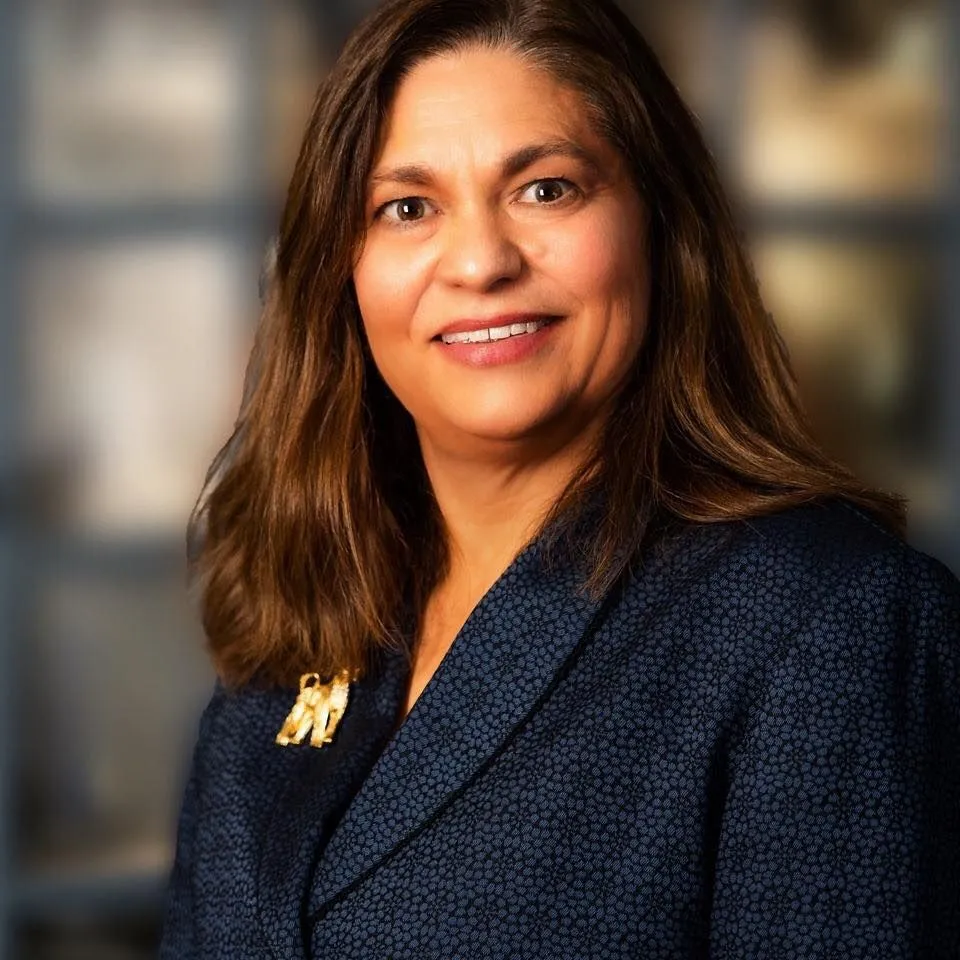
About Alison Perrin:
Alison S. Perrin, CFP®, APMA™, is a financial professional with more than two decades of experience helping doctors and dentists bring clarity and stability to the business side of healthcare. After years as a certified financial planner, she shifted her focus to addressing one of the most persistent pain points she witnessed firsthand: practices working hard but struggling to get paid accurately and on time. As Owner and CEO of Legacy Practice Solutions, Alison specializes in insurance credentialing, billing, and reimbursement systems, with a reputation for persistence, precision, and follow-through on even the most complex claims. Her work centers on simplifying insurance processes, reducing denials, improving cash flow, and building durable financial foundations for independent practices. Known for her calm, detail-oriented approach, Alison helps clinicians regain confidence in their numbers so they can focus fully on patient care, long-term growth, and professional peace of mind.
Resources:
- Follow and connect with Alison Perrin on LinkedIn.
- Follow Legacy Practice Solutions on LinkedIn.
- Download the free resource The “Top 10 Reasons Why Insurance Companies Deny Claims in 2026”
- Visit the Legacy Practice Solutions website to learn more about their services.
- Connect with Alison on Facebook.
Secure Dental_Alison Perrin: Audio automatically transcribed by Sonix
Secure Dental_Alison Perrin: this mp3 audio file was automatically transcribed by Sonix with the best speech-to-text algorithms. This transcript may contain errors.
Dr. Nazish Jafri:
Hey, good morning everyone! Welcome to our Secure Dental podcast again. Here, we bring together some of the brightest minds in dentistry and business to share practical tips you can apply right away. I am Nazish Jafri, CEO of Secure Dental, co-founder of DentVia, and I'll be your host on this journey. I'm excited that you're here. Thank you for joining. Today's guest sits at a very important intersection of dentistry and finance and reality, especially in a dental office. Most dentists, I feel, don't struggle because they're bad clinicians. I think the struggle because the systems between the production and getting paid is kind of broken, and no one teaches them how to fix it, especially when you're coming out from school. This is not part of the curriculum. This is not part of PMVs and exams and stuff like that. So, when you come out, you're just like, you don't know what you're getting into, and that is the way you make money in production. My guest today is Alison. She is CFP and an APMA and she works exclusively with doctors and dentists to eliminate denied claims, unlock trapped cash, and bring financial clarity to practices, especially maybe new grads who are opening up practices. Maybe another office you're adding to, and you're kind of stuck, and you're like, I don't know where I financially stand. So, if you want to practice, you own one, or simply you want to understand where your money is leaking, today's conversation is just for you. Alison, thank you for joining. I think I would be learning tons from you today as well. Tell me about yourself and Legacy Partners.
Alison Perrin:
I worked over 20 years as a certified financial planner, and recently did a pivot a couple of years ago to specifically focus on doctors and dentists and helping them with their cash flow, because I was noticing that this was really a big stressor in my clients who were in that field. They were not feeling confident in their cash flow that all of the work that they were doing was really being reimbursed the way that they were contracted to receive. Insurance companies seem to become more and more sophisticated and figuring out ways to not pay the providers. So, that's why I decided to yeah, to really focus on helping those providers make sure that they get paid so they can focus on what they do best, which is really taking care of patients and providing the care that they trained so long and hard to do, and take that burden of the administrative piece off of their plate so they don't need to worry.
Dr. Nazish Jafri:
Yeah. No, you're so right. It is very stressful because you come out of dental school, or let's say you have been an associate for five years, and you dream, almost every dentist's dream is to own a practice, and they find a beautiful location, beautiful practice. You put so much money, heart, and dreams into it, and now you start working. And now you get into the rat hole of credentialing. And now there are so many mixed pairs. Then you have to understand how billing works and how compensation works, how ... work. This is very stressful for a clinician because what are they going to do? Dentistry? Work on the tooth? Or are they going to figure out if I'm going to get paid for all this work or not? So, Alison, and dentists struggle financially, why do so many profitable-looking dental offices, the ones that have been there for three, four, five years, still feel that financially they're tight. The owner is still stressed. What would you think their biggest financial hurdle is when you go into these offices?
Alison Perrin:
The biggest hurdle is just the stress of that administrative piece. So, most providers, in my experience, are not business-oriented. They don't really enjoy the business side of the practice. They want to spend their time and their effort on what their passion is, which is taking care of their patients. But they end up having in order to to stay afloat financially, they're forced into a situation where they need to spend a great majority of their time working on the business side, making sure that they get paid for all the work that they do. So, it's very stressful. And then they have to deal with staffing issues and training the staff, and making sure that everybody is treating their patients properly. Because if staff is not treating the patients properly, then it erodes your patient base. People are your patients aren't happy, they're going to find a friendlier practice. So, all of these things are very stressful, and they're not the things that you think you're going to be spending your time doing when you decide to become a dentist.
Dr. Nazish Jafri:
Yes. You're right. Having like, a great team member is like a luxury now, because training somebody on insurances from start to finish takes a lot of time and effort. And then suddenly, if that team member goes away, now the doctor has to do it by themselves or train somebody else to do it. That's a lot of stress that can happen to the dentist. And obviously, financially, it's going to be a burden because let's say I think the most important one is denied claims because the information wasn't taken correctly. What would you say about things like in a situation like that where, you know, you train a team member, they're not doing their work correctly, not taking the information correctly, and then now they have denied claims. How do your Legacy Partners and how do your expertise help in this situation?
Alison Perrin:
Well, we actually have a training program that the provider can purchase. We can do a half a day or depending on how much need there is. Sometimes for a bigger practice, you might need two half days. I think one full day is a bit much, so we like to split it up into half-day increments, and you don't want to take a full day away from your patient load as well. So, we can do a half-day training of your staff and make sure that they understand all the pieces that are important on that front end, because that's really where most of the denials source is from, is errors on that front end. The person who's taking the insurance information and getting the information from the patient. So, we train them very well. And then we're also there to answer any questions after they do the training. If they have a question, they don't know what to do. They don't want to bother the dentist. They can give us a call. I find that that is really going to solve that problem the best. And especially if you're new, setting up a new practice, there's so much that you have to get ready for. You don't need the extra burden of training someone on a process that you've never really experienced yourself, so it's well worth providing that training in a professional way, so we can take that for you. And so, that's that's really the first piece of the revenue defence system, which is what I call it revenue defence. And then you want to make sure that those claims are clean when they get submitted to the insurance company. Because if you're having to correct claims, it's just going to delay the payment. And that is money, extra money out of the doctor's pocket. So, the first step is making sure that the information is correct from the patient. And it's amazing how many patients have an old card that they give you that's been expired for a couple of years. And so, that's step one. Step two is those clean claims that you want to make sure all the claims are clean. And then the next step after that is following up, making sure that the claims get adjudicated properly, that the doctor gets paid. And we turn over every stone to make sure that they get all of the payment that's due to them.
Dr. Nazish Jafri:
That's really wonderful to know, because even I can feel if somebody takes care of this part, and I don't have to be involved in it. And I'm not the one thinking, especially when I do a treatment plan like I'm a clinician. I expect friends to have everything correctly done. So, it goes into the software. And then when I'm doing the treatment plan, it spits out almost a close enough estimate. But if that is not done right at the front because it's a new person or we're training, or I'm stressed out, the treatment plan comes out very wonky. And sometimes the patients don't like it, or sometimes they're staying in the chair for a good amount of time because we're trying to figure out how to fix that treatment plan. So, it is very encouraging to know that you have a system in place that we can plug in who can help the front desk while I'm doing my part of the work in the back end. I can trust that this process is going to happen. And you know, by the time it comes to us, it's already in the system. Am I saying that understanding it correctly?
Alison Perrin:
That's exactly right. And it also, it takes the stress off of everybody in the office, including the provider. And the staff members know that they don't have to bother the provider with little questions. They want to make sure they get it right, but they don't want to have to keep going back and asking a question and interrupting the day. So, if they have a resource where they can get the answer right away, they can just ask a small question and get the answer so that they can go on with their day and get everything done. I find that works the best, and it just makes everybody happier. The stress levels go down, cortisol levels go down, and we all know that cortisol is one of those killers that we are all fighting.
Dr. Nazish Jafri:
Yes, yes, yes, yes, yes, yes. All right. You just need less cortisol. Especially like dentistry is already so emotionally draining. Right from the front desk to the manager to the provider. It's already emotionally exhausting. And now, if the treatment plan is not going to come out right, and we're going back and forth, that patient's probably lost interest in us already. And we even haven't had the handpiece in place.
Alison Perrin:
And we all know that nobody wants to go to the dentist as it is.
Dr. Nazish Jafri:
Alrighty.
Alison Perrin:
It's one of those things on your list of things I don't want to do with my time is go to the dentist. So, they're already in that space. And so, if you can relieve some of that stress on the patient's part to by just having a system that works where everybody is working in sync and it just makes everybody happier, it makes your patients happier, you'll spend less time on those administrative tasks and you'll be able to grow your practice naturally through your referrals from your own patients, which is what we all want, right?
Dr. Nazish Jafri:
Yeah, absolutely. The patient experience is really important nowadays because if the experience is not right, they'll go down the road. Yeah, that's it. So, if the experience is nice and flawless, especially with insurances and understanding them, and somebody who is helping them to understand it fast is is very, very important when you come in to help a provider. Do you have your own EMR software that you plug into the dentist's EMR software? How does that work? Because let's say we are with Kirsten or Dentrix, Ascend, or Dentrix G5 or any other software. Do you guys have the ability to understand all of these?
Alison Perrin:
Yes. So, the software is really a tool. We want to just think of it as a tool. We don't want to be a slave to it. And so, we will work with whatever software the office is using currently, and we'll figure out the best way to communicate with that software, depending on which one they're using. And I've seen all different ranges of levels of sophistication for software. Some doctors have old systems where they're not on the internet at all. So, then we can just go into their computer and see it on their own computer. So, we can work with whatever system you're currently working with and make it smooth. It's that you don't have to be concerned about that. And we will. We're also very HIPAA compliant and being very careful of everybody's privacy and keeping everything secure.
Dr. Nazish Jafri:
Nice. So, once we finish up our clinical notes, your team would go in and maybe read all of those. Check the codes that have been completed, and from there, you start your process. What does that process actually look like? What do you want the clinician to be thorough in before they provide you, or before you can actually send out the claim? What should they be looking out for?
Alison Perrin:
Well, they need to make sure that the authorizations are done properly. I know that can be an issue, especially with the Medicaid patients. And it's not really about the X-ray or whatever procedure it is. It's about the narrative. And the person that's providing the claim processing on the insurance companies end, they're looking for certain keywords. For the Medicaid patients, those keywords are state-specific. So, we'll make sure that you have those keywords that are appropriate for the state that you are working in. And so, that's the first step is the authorization. And then we want to make sure that the codes that you've put in are appropriate. That's just the make. Everything makes sense before we submit the claim. We want it to be as clean as possible before submission with the diagnosis codes and just getting everything lined up properly. And then we have a computer system that's double-checks everything to make sure that everything looks correct before we submit it to the insurance company. The next step is we have a process to track all those claims that have been submitted and follow up on them, and make sure that they get paid in a timely manner. And just following up and resolving any issues that may come up during the processing.
Dr. Nazish Jafri:
Okay. So, that brings me to another point. When we were talking about pre-authorizations, does your team help with that as well? Like, if we needed to send a pre-authorization for treatment, would the dentist get help in sending that as well with the narrative?
Alison Perrin:
Yes, we can. We can help with Pre-authorization. That is, that would be an additional cost on top of the billing service because it is a different service. And it does take a bit of time. So, you can either have your staff doing that, or we can do that for you.
Dr. Nazish Jafri:
Okay. Okay. That's really good to know because yeah, for sure, you're right. I've learned that the pre-ops need to be very precise and concise. And those words have to be very targeted in order for the insurance computers to pick them up. And when we work with Medicaid, it's pretty tough because they want to deny everything.
Alison Perrin:
Yes.
Dr. Nazish Jafri:
It's so hard. And some dentists work in these communities, and they want to help those communities where Medicaid is pretty high, and getting things approved can be very cumbersome. And those patients need treatment sometimes right away.
Alison Perrin:
Yeah. Yeah. So, it's really about those keywords and making sure you're using those keywords that they're looking for.
Dr. Nazish Jafri:
Mhm. Correct. I do know that you also help with credentialing, which is the key component of making a practice and starting the business. So, when an associate wants to transition into being an owner, and they are looking into credentialing, what are the things that they should start thinking about? Because I know credentialing process has become pretty intense now.
Alison Perrin:
Yes. And it takes a long time. It takes longer than you think it's going to. So, if you're coming right out of school, you're newly licensed, you want to start your credentialing process immediately as soon as you get your license, because it is going to take much longer. So, you want to try and figure out what you want to do. How do you want to be an employee? Do you want to have more autonomy and set up your own practice? These decisions should be made in advance of your graduation so that once you get that license, you can really get started right away and get your credentialing done in advance because you cannot submit claims until you are fully credentialed. There are two steps to the credentialing process. You have to go through a credentialing process, where it's kind of like a job interview. They look at all of your training and your background. Do you have any complaints that have been filed against you? And so, they want to make sure that you're a good provider, that you provide quality care, and you take good care of your patients. And once you get accepted into the credentialing process, the next step is enrollment. And some people miss that. Then they start up their practice, and they're not enrolled, and they don't know why they're not getting paid. So, you want to make sure that you're doing, you're checking off all your boxes, and that's the thing with insurance companies. They have lots of boxes to check. And if you don't check all the boxes, many times you are the one who loses. And they want to keep the money, to be honest. So, you have to jump through their hoops in order to get paid. Even though you have a contract. They're looking for the loopholes in the contract so that they don't have to pay you. So, we help you go through that whole credentialing process. We stay on top of it and make sure that you're credentialed as quickly as possible. Quick is a difficult word to use because it's never quick, but you don't want any unnecessary delays is the point I'm trying to make. So, we stay on top of that, we stay in touch with you and make sure that you understand where you are in the process, and you'll start getting... I recommend that you credential with a number of different companies because some are quicker than others, and you can at least get started. You can always get those cash payments, cash patients to get started as well. It's all about communication with the patients that you with the patients. Yeah.
Dr. Nazish Jafri:
Yeah. One really important thing that you said and I experienced it when we started like 12 years ago is credentialing and enrollment are two separate buckets. Can you again simplify it so that the dentists who are listening to it, they know the importance that it's just not credentialing. You have this other component. And what's the difference between the two?
Alison Perrin:
Well, credentialing is there. They're checking your background. They want to make sure that you are trained, that you are who you say you are, that you have that dental degree, that you have your license, and that you're not a bad guy, that you're not mistreating patients. They look to see if you have any malpractice suits, those kinds of things. And then they'll say, yes, we want you in our network. Then you have to sign a contract with them so they will give you a contract. You want to take a look at the contract, make sure you understand what it says, and sign it. You have to sign that contract and get it back in. And then. Then you get enrolled in their system, in their network.
Dr. Nazish Jafri:
And what is the minimum and the maximum time limits that you have come across?
Alison Perrin:
I would say you should count on six months, that it would take six months. Sometimes it will take three months. And especially if you have a very clean record and it's very straightforward. If you haven't moved around to a lot of different offices, it can be quicker. But I would count on six months.
Dr. Nazish Jafri:
So, somebody who is looking to build up their office, they should actually start this process like way early in their journey, right?
Alison Perrin:
Yes, exactly. And you may be on a cash basis at the beginning too.
Dr. Nazish Jafri:
For a little while. When what, like a high-functioning insurance collection system, looks like in an office, if, like a well-run dental clinic, what kind of high-functioning systems do they have that you see that this is like a well-run office?
Alison Perrin:
Well, you want to have a well-trained front office. That's the most important thing, because that's where most of the issues occur, is making sure that they are checking the eligibility of the patient, making sure that the insurance that they're providing to you is actually, in effect, that it's not an old card that's been lapsed for years. So, patients are confused about that. It's not that they're trying to be fraudulent. They just have all these cards, and they just pull out the one that's in front of them. So, just I think the biggest issue is the training of your front staff. So, you want to make sure your front staff is doing that eligibility check every time. Because sometimes people lose their insurance from one week to the next. And just making sure that everything is in place on that front end. And then we have you want to have a good communication between the front office and the person that's doing the actual billing, that's submitting the names for you, whether you have someone in your own office that's doing that, or if you're hiring, you're outsourcing to a billing service. You want to make sure that the communication is very smooth. And you want to encourage the billing person to communicate with the front office if they're seeing any issues that are common, if they're recurring issues that they're seeing, that the billing person should feel comfortable talking to the front office in a very kind way. Everybody's trying to do a good job. And so, a lot of this is communication, and everybody needs to assume that everyone is trying to do their best job. But sometimes you don't know that you're doing something that's not right. So, just having that communication, making sure that the front office is if they're making a mistake, that they know how to correct it and how to do it the right way so that the claims are cleaner when they go in. So, the first step is getting the correct information from the patient; communication between the front office and the billing back office should be smooth. The claims should be clean when they're going to the insurance company, and they should be submitted quickly within 24 to 48 hours. And then you want to have a process for following up on those claims and making sure that all claims are paid. And ideally, you want to do it within the first 40 days of the claim. You know, there are different metrics that we take a look at 40 days, 90 days, 120 days. And you want to have a process like that. So, those are the things that will show you that the process is in good shape.
Dr. Nazish Jafri:
I know that looking at ARs is very important. The denied claims, it's very important. How often do you think an office should be running those kinds of reports? And then, if you are helping the office, is that an additional service?
Alison Perrin:
So, we will provide any reports that the office is looking for. It's not really an additional service. It's part of our billing and medical practice or dental practice. And so, how frequently? What I recommend is that the provider or the owner of the practice schedule a time every week for themselves to just take a look at the business side of their practice. And that way, I think that many times it's hard to find that time to work on your practice. So, if you schedule it, you have it in your schedule, and it doesn't have to be during your patient time. It could be on Sunday afternoons, for example. But if you have a schedule to really take a look at everything on a regular basis, I think you want to have certain things that you look at every week, other things that you look at every month, and other things could be quarterly. And we can help you figure out, you know, what is going to work best for your practice and keep you in the black so that you're able to feel comfortable and confident and secure in your cash flow and able to not worry about that, not worry about the money coming in and concentrate on your patients and keeping up with all the changes that are, are, that are occurring in the dental field as well, because you want to keep up with the latest research and and make sure you're providing the highest quality of care for your patients as well. Mhm.
Dr. Nazish Jafri:
What would it be like? We usually have like 30-day, 60-day, 90-day reviews, and we check our errors and stuff. What would be a red flag? How many months down do you think is like a red flag? And you're like, okay, I don't think these claims are going to go anywhere.
Alison Perrin:
I don't ever give up on a claim until the insurance company has made it very clear that this claim will not be paid, and they've explained it in a way that makes sense. So, if I believe that that claim should really be paid, I will stay or our team will stay on that claim and make sure that it does get adjudicated, because the insurance companies are really counting on the providers giving up on claims if they get dragged out. So, we don't do that. We just stay on them. We uncover every stone is what I like to say. We make sure that the provider gets paid. And even for the smaller dollar amounts, it's still important because in a high-volume practice, those small amounts add up and can be a burden on the provider.
Dr. Nazish Jafri:
Yeah, you're right. So, one KPI that they should audit every month. What would that be?
Alison Perrin:
You are. Yes. Your denials. What percentage of your claims are being denied on a weekly or monthly basis? And I've seen practices where that can be as high as 60%, especially where they don't have anyone that's really in charge of making sure that the claims get paid. You can see that it's amazing. Some practices, the providers are not even looking at their claims. They just get they accept whatever the insurance company pays them. And so, that's what the insurance companies are looking for. That's their ideal provider where they can pay them whatever they feel like. So, it's really not right. And so, that's where we come in. And we make sure that those denials we want to get you to 2% denial. That's what we'd like to. That's our ideal. So, getting as close to 100% payment as possible, just following up on every claim.
Dr. Nazish Jafri:
Yeah, that is the goal. That is the goal. Because you're right, some of the providers don't even know where they stand. They don't even know if they're credentialed or not. They don't even know if the claim was submitted or not. Maybe only Social Security was needed attention, and it just got denied. And it's just sitting in the AR for the whole year. And you know, you're right. Can you talk about how Medicaid and PPO insurances work in your experience?
Alison Perrin:
So, in my experience, overhead has become an all-time high item on any provider's budget. But the PPO and reimbursements are stuck back in 2014. This is an issue for a lot of providers. As a provider, you're essentially subsidizing the insurance companies' profits with your labor because you're working hard, you're providing that care to the patient, and they're just really underpaying you. Or sometimes, in some cases with denials, they're not paying you. So, what we look for is that profitability tipping point, when a plan's write-offs exceed that 40 to 45%, and they occupy more than 20% of your chair time. that means that PPO is a liability and it's not an asset to you any longer. So, we help you transition when the math that shows that you can make more money by seeing fewer patients. So, it's called addition by subtraction. So, we want to drop those bad PPOs so that you can create space for patients that really value the care that you provide, and it can relieve a lot of the stress in the practice by just firing those PPOs that are not paying you. So, we have those metrics, and we can do the math to make sure that you're firing the correct ones, keeping the ones that are working better.
Dr. Nazish Jafri:
Yeah. Because some of them can be really draining sometimes. We had to fire a few because they don't either listen or the reps are not there, or they have too many mergers now and we can't get through them at all, or the fees is just stuck. They're not willing to increase it.
Alison Perrin:
Yeah.
Dr. Nazish Jafri:
Yeah. I feel sad for the community that actually gets sold on these insurances because they are sold at a very viable thing. Oh, everything's going to be covered. Implants are going to be covered. This is going to be covered. And when they come to an office, and we run the eligibility check, they have so much out of pocket. This is not covered. This is covered because of a condition or this is not covered because of a missing tooth clause. So, it's becomes very cumbersome to talk to the patients and then they take decisions according to their insurance.
Alison Perrin:
Yes.
Dr. Nazish Jafri:
Their health decisions.
Alison Perrin:
Mhm. Yeah. Which is not right. Yeah.
Dr. Nazish Jafri:
Yeah. And that happens with I think the Medicaid population too, because people sometimes think okay everything's covered, but not everything's covered. When they come back, and we tell them that, hey, you know, let's say RPDs are not covered, only dentures are covered. So, they would actually sacrifice their good teeth in order to get what is covered. So, I feel very, very bad about when they have to take decisions because they want to comply with their insurance. It's sad.
Alison Perrin:
Yes. Yep. It is a sad state of our whole healthcare system, I agree.
Dr. Nazish Jafri:
Yeah. Yeah. So, Alison, if a dentist right now is listening to your company's model, and I really appreciate that, you know, you're very encouraging, and you have such a positive attitude towards this hard subject because, you know, dentists don't understand it really well, and they're always overwhelmed. And they're like, I'm a great clinician. And, you know, I can do it really well. I can do this. And I'm doing the marketing. But it's still the business side is still stressing me out. What would you tell them, and what would the process be to be a partner with you?
Alison Perrin:
If you feel like you're on a PPO treadmill and you can't get off that treadmill, I would recommend that we do a practice revenue audit. So, you can go to my website. It's w w w dot legacy p as in Peter S as in Sierra, C as in Charlie t as in Thomas dot com. So, legacypsct.com. And we'll find the leaks in your DSSS process and help you map out a path to PPO independence. Yeah. So, you go to my website, you'll be able to contact me, and just let me know a good time. And we can have a short conversation about what's going on with your practice. I really like to find out what the issues are in the practice and do a real diagnosis, and then make a recommendation on how I can best help your individual practice. It's very individualized.
Dr. Nazish Jafri:
Yeah. Which insurances to fire and which maybe to keep. Do you guys also help out with if there were some insurances that are running well and we wanted to keep them? Would you help with increasing and negotiating the fees?
Alison Perrin:
Yeah, yeah. We can take a look at the contract and make some suggestions, especially since we're seeing what other providers have in their contracts. We can help out with that.
Dr. Nazish Jafri:
Nice. That is really, really nice because I've seen practices. Actually, one of the practices was our own, and we just never realized that we never changed the fee schedule for a very, very long time. And, because you just go in the business rat hole, you're just doing dentistry, you're just making patients happy, and you're doing that part of the work, and you forget all these things. So, that's comforting to know.
Alison Perrin:
If you're getting 100% reimbursement. That's a red flag.
Dr. Nazish Jafri:
Yeah, yeah, yeah, yeah. You are so right. Like what happened?
Alison Perrin:
Means you're undercharging.
Dr. Nazish Jafri:
You are undercharging. You are so right. So, Alison, anything in your experience that you would like to let the dentist know who is hearing you? I would keep as constant KPIs and keep an eye on. I know the front desk training is really important. Anything as a clinician or a business owner, they should always keep their eyes on.
Alison Perrin:
I can't really think of anything other than what we've already talked about. You know, those three main phases of the revenue cycle are what you want to keep your eye on. So, you've got the first step is the front office staff. Make sure that they're getting the correct information from the patients. And then there's great communication with the person, whoever's doing your billing, and make sure that that person is following up on the claims and making sure that they're being paid. And then keep an eye on your credentialing. I've seen so many or not a lot, but I've seen some providers who they say, I'm not getting paid by this insurance company. I don't know what they're doing. Why aren't they paying my claims? And then we realize that they're not credentialed anymore.
Dr. Nazish Jafri:
Yeah. Or never renewed.
Alison Perrin:
Yeah. They didn't renew, and they didn't read their emails. You get too busy. You don't see the emails. So, you want to have somebody who's in charge of that, that's taking care of that for you. And there's just so many different hats that you need to wear as a provider, the owner of the practice, you want to make sure that you find a trusted partner that you know is going to take care of that business side for you, so you don't have to worry about that so that you can really concentrate on the clinical skills and in making sure your patients are taking well care of.
Dr. Nazish Jafri:
Yeah, you're so right about those emails getting like missed because sometimes we hire people and then we lack to change emails or utilize one office email. And that front desk might be utilizing her or his email. And when they leave the practice, it's done. We can't find anything. And I've seen a lot of times business owners have no understanding of it, or they might be the sole owner of that email. They're doing clinical work and they're not watching their emails, and those renewals or correspondence is just going in spam or trash. And I think this is really important that they are mindful of when they are doing credentialing, that they're using an email which is going to be looked at.
Alison Perrin:
Exactly. Yes.
Dr. Nazish Jafri:
Yep.
Alison Perrin:
Yep. Sometimes they might use an email that they think they're going to get a lot of email traffic. And so, they don't want to be bothered. And they give an info email address that nobody really looks at. But that's a big mistake.
Dr. Nazish Jafri:
Yeah.
Alison Perrin:
Yeah. You're going to miss out on things.
Dr. Nazish Jafri:
You are so right. Yeah. Very, very, very tiny little minute things. But it can have like a huge effect. Because if you're not renewing, if you're not corresponding, you're not sending paperwork the way they want it. It just drags. And we're seeing patients because patients say, you know, we're a network with you, or you're a network with our insurance. And there you go. Mhm. The whole domino thing. Well, Alison, it was really nice talking to you. I like the way you are talking about this subject like very easily. And your company is very up to par with all the processes. I like the fact that it starts from credentialing all the way to the AR, and it's like a one-stop area. And once somebody builds a relationship with you, they don't have to worry about that because it's all taken care of in one umbrella. Instead of having 2 or 3 different companies do it for you.
Alison Perrin:
Exactly.
Dr. Nazish Jafri:
So it's very comforting to know that, you know, your company can encompass everything, one relationship, and it can go a long way.
Alison Perrin:
Yes. Thank you.
Dr. Nazish Jafri:
Yeah. So, dentists and associates who are listening to us in today's podcast, like, what stood out to me from today's conversation is, you know, dentistry doesn't have like an income problem. It's mostly like systems. And the way we use the systems and those systems, some of them are fixed. Dentists are something far from valuable than money, clarity, control, and peace of mind. And Alison's company, Legacy Partners, brings that peace of mind. So, you can do your dentistry really well. You don't have to think about it. And I would say whether you're an associate, you're trying to understand your worth, or practice owner who's carrying the weight of the payroll and insurance and growth decisions. I think especially growth decisions, financing is very important. So, today's message that Alison said is very clear. Your team training and communication is so important for you to grow. If those two things are not in place, nothing is in place. It's garbage in, garbage out. It's as simple as that. You can work harder, but you're not working smarter because of the training issues. And she brings in a whole community of trained people, which you don't have to worry about. And she would plug it in, and you can start off and actually learn with the best. And everyone listening, if this episode made you realize that there are gaps in your practice getting paid properly, and you're doing the work, and you don't see your claims being paid, don't ignore that signal. It's very important. Just don't think it's part of dentistry. I'm going to write it off, or it's a delayed claim. Go after it. And there are companies like Alison's and a whole community of people. They are ready to help you. You know your time, your skill, your expertise, deserves a full compensation. It shouldn't be a write-off.
Alison Perrin:
That's right.
Dr. Nazish Jafri:
Yeah, it shouldn't be a write-off. So, if you want to get in touch with Alison at Legacy Partners after this podcast, we will have all her information on there. She is also on LinkedIn. So, that's a very easy place to find out anything other than LinkedIn, Alison, that they can find out about you or...
Alison Perrin:
I just wanted to correct the name of the company is Legacy Practice Solutions.
Dr. Nazish Jafri:
Practice. Oh, Legacy Practice Solutions.
Alison Perrin:
Yeah, I'm on LinkedIn. I'm also on Facebook, And I'm happy to talk on the phone or send me an email whatever way works best for you. But I am very active on LinkedIn. I post a lot of articles that you can find there.
Dr. Nazish Jafri:
No. Perfect. Well, thank you, Alison, for today's call. It was really, really interesting and very encouraging to know that there are people like you who are ready to help, and we can plug in right away.
Alison Perrin:
Thank you. Thank you so much for inviting me. And it's a pleasure meeting you. And I'm hoping that I can help people. That's why I do this. I want to help them get the cash flow they deserve.
Dr. Nazish Jafri:
Absolutely. Thank you.
Sonix is the world’s most advanced automated transcription, translation, and subtitling platform. Fast, accurate, and affordable.
Automatically convert your mp3 files to text (txt file), Microsoft Word (docx file), and SubRip Subtitle (srt file) in minutes.
Sonix has many features that you'd love including powerful integrations and APIs, share transcripts, enterprise-grade admin tools, automated translation, and easily transcribe your Zoom meetings. Try Sonix for free today.