The Smarter Way to Handle Dental Staffing and Administrative Work
Summary:
A strong dental practice does not run on clinical skill alone. It runs on reliable systems, consistent communication, and the right operational support.
In this episode of the Secure Dental Podcast, David Ortiz, Director of Operations at Secure Dental and Co-Founder of DentVia, explains how virtual dental assistants help practices reduce administrative pressure while supporting their in-office teams. He discusses how DentVia evolved from a post-pandemic staffing solution into a comprehensive system for managing patient calls, scheduling, insurance verification, lead follow-up, and other front-office tasks. David also explains how virtual assistants integrate directly with a practice’s existing software and phone systems, functioning as a seamless extension of the office. The conversation explores the security measures behind the model, as well as its potential to reduce hiring costs, improve business continuity, and prevent missed opportunities.
Tune in and learn how the right operational support can help your team work more efficiently, improve the patient experience, and keep your practice moving forward.
Things You'll Learn:
Patients begin forming an opinion about a dental practice before they ever meet the dentist.
Dental virtual assistants can manage calls, scheduling, patient intake, reactivation, and insurance tasks.
Direct integration with practice management and phone systems prevents extra work for the dental team.
Strong privacy controls, documented agreements, and office-based workstations are essential for protecting patient information.
Virtual staffing can reduce recruitment costs, turnover risks, payroll pressure, and disruptions caused by employee absences
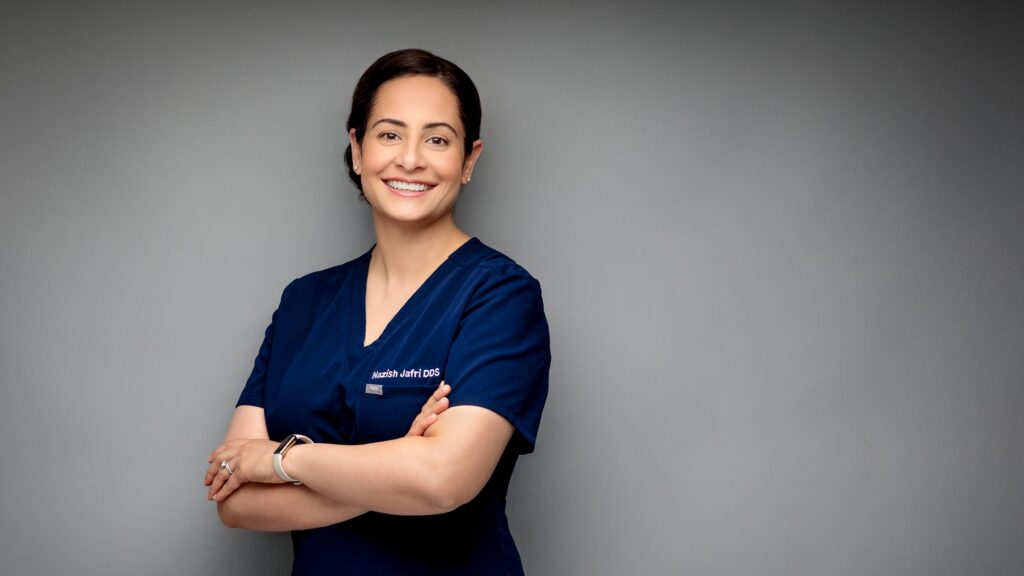
About Nazish Jafri:
Dr. Nazish Jafri, DDS, is a highly accomplished dentist, mentor, and business owner. Graduating from NYUCD in 2011, she quickly established herself as a respected leader in the dental industry. As the owner, CEO, and operator of Secure Dental, a leading dental service provider with 10 offices across state lines, Dr. Jafri has over a decade of experience in successfully managing and growing businesses. Her commitment to top-quality dental care and passion for mentoring the next generation of dental professionals have made a significant impact on the industry and inspired many. With a strong reputation for exceptional dental services, she is widely recognized and trusted by her patients across different states. Learn more about her and her dental services at www.secure-dental.com.
Social Media Handles:
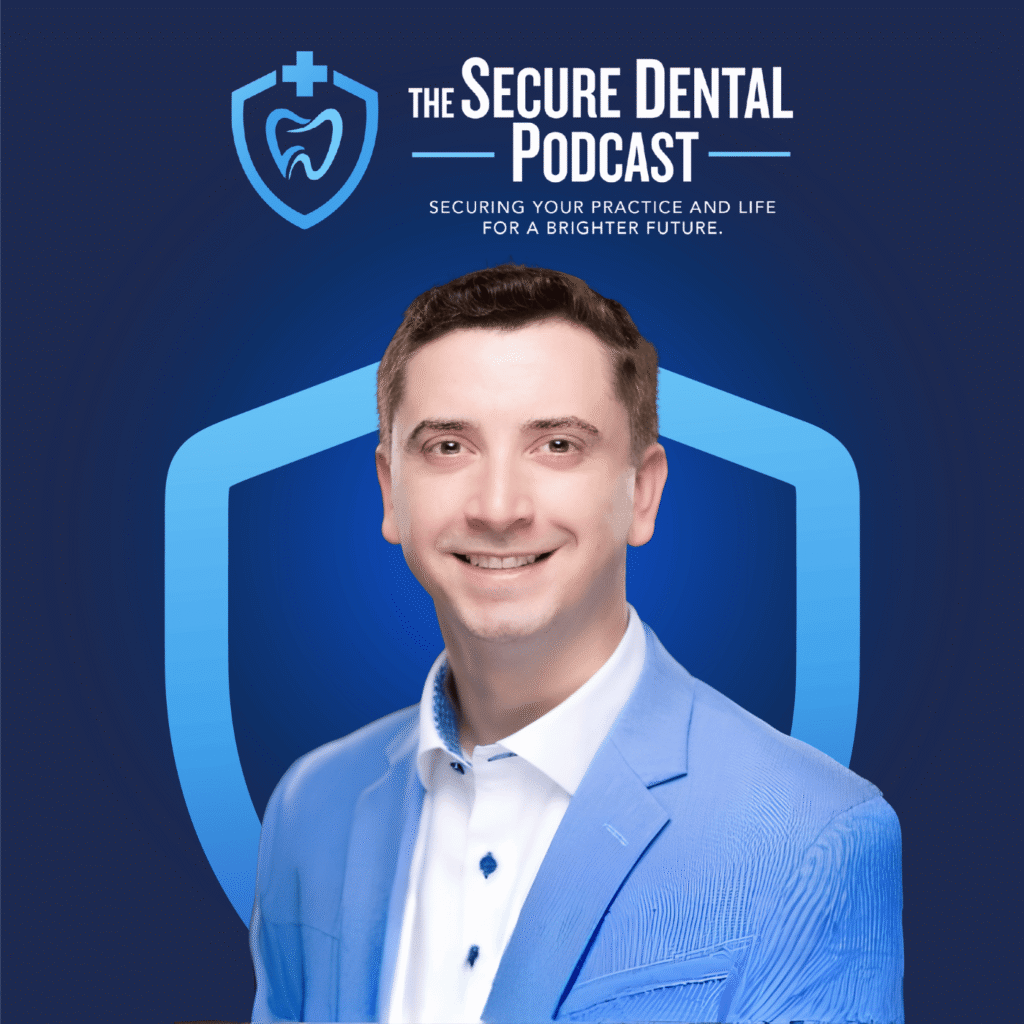
About David Ortiz:
David Ortiz is the Director of Operations at Secure Dental and Co-Founder of DentVia. He brings extensive experience in multi-site dental operations, practice management, healthcare compliance, financial oversight, staffing, and workflow improvement.
At Secure Dental, David helps align operations across multiple practices while supporting patient care, regulatory compliance, marketing initiatives, fee structures, and long-term financial performance. Through DentVia, he helps dental practices reduce administrative burdens by connecting them with trained virtual assistants who support patient communication, scheduling, insurance tasks, and other essential office functions.
Resources:
Secure Dental-David Ortiz: Audio automatically transcribed by Sonix
Secure Dental-David Ortiz: this mp3 audio file was automatically transcribed by Sonix with the best speech-to-text algorithms. This transcript may contain errors.
Nazish Jafri:
Well, good morning and good evening from wherever you're listening. Welcome back to our Secure Dental Podcast today. We are, actually, I am pulling back the curtain on how Secure Dental does operations in technology use. If you are a new dentist, like fresh out of school or like a new practice owner, you kind of, you know, realize that being a great clinician holding the handpiece is half or sometimes a quarter of the battle. We as clinicians have to run an actual business because we have to produce. And there is another part of the whole equation a business owner has to take care of, which is the team to help map out today how to do it without losing your mind and being comfortable in the clinical setting while you're with the patients. I'm actually excited to bring on today's guest. He is our own secure dental operations manager, an operational powerhouse at Secure Dental, and also our co-founder in DentVia, David Ortiz. David is actually the driving force when it comes to building streamlined workflows and mastering all the practice systems, helping offices scale efficiently. And then he also keeps very close contact with all the managers. So, everybody is on the same page, which is really important in a clinic, especially a dental clinic, because sometimes the words kind of go out. Your policies are there, but it's not being followed. And he glues everything together. David, thank you for being on our show today.
David Ortiz:
Absolutely, doctor. Thank you for having me.
Nazish Jafri:
Oh absolutely. Absolutely. The information that you bring in as an insider operating manager first, and then operation manager, is going to be really valuable for dentists who are listening to us, because it's a very different perspective from a clinician's perspective, right? We're like, yeah, just get the patient in, and I'm going to do this, and I'm going to do this kind of treatment. We're going to make this money. But what happens if that money doesn't get translated into profit one, and that all is a dynamic system between how the whole office works as a team. So, you have a very big perspective of how an associate can work and what their roadblocks are. And also as an operations manager, when you see like the EBITDA and the offices working in profitability, what do you think are some of the blind spots that doctors miss day to day?
David Ortiz:
Yeah. And you bring up a good point. I have a great perspective. I've been in dental clinics all across the Midwest, and for new associates who are just getting into their practice. Maybe as an associate or building their own. The challenges seem to be similar, right? And so, like you mentioned, everything in dentistry is their handpiece and all, but when they get into the business side, they start to fall into some pitfalls of dental operations, the business operations. And it includes a lot of what you just mentioned, getting patients in the door and interested, number one. And then what do you do once they're in the door? How do you make their experience the best experience that they've had? Because that's what stands out, right? There's almost a dental clinic on every corner at this point. It's competitive.
Nazish Jafri:
Yes.
David Ortiz:
And you have to be the one to make the difference.
Nazish Jafri:
Yeah. You are absolutely right. By the time they see me as a clinician, I think they already had, like, 3 or 4 touchpoints: someone picking up the phone to make an appointment, making them feel welcome, and then coming in for the appointment and getting checked in. Then the dental assistant goes in. So, before they even see me or me picking up the handpiece and doing the work, they've already made an opinion about us, right?
David Ortiz:
Yeah. And especially for an associate, you know, or a new dentist, you're used to experience in the chair, but there's so much work that goes into it before getting into the chair. And as you mentioned, there are multiple touch points along the way. And that sometimes is the first battle, right? Making sure that we really ace that part of it, because that's where they make the decision to choose you. And so, that's where the focus should be for the new associates coming in.
Nazish Jafri:
Yeah. So, let's come up to the need of DentVia, DentVia is a company that we founded together, and there was no intention of doing it initially, but it was so needed that out of our necessity, it actually became an entity. So, let's talk about that.
David Ortiz:
Yeah. As you know, it really started, I think, after the heat of COVID.
Nazish Jafri:
Right.
David Ortiz:
You know, the labor market was a little bit restricted. And so, it wasn't about getting good talent. It was getting any talent, like anyone to enter the job force again after COVID was difficult. And I think because of that, more remote roles opened up work-from-home roles. And so, there was a restriction on the labor market. And I think that's really what just, you know, had DentVia really prosper and grow is local dentists were struggling to find good labor. So, a good front desk, somebody to be the first impression. And as we mentioned, that first impression is so key because that's how they choose your clinic, right? And so, that's how it started. And I think we realized, man, we could do a whole lot more than just fill a chair, fill a seat at the front desk. We could do administrative work, Insurance work. Phone work. All of those things that are patient contacts or administrative work for the dental clinic. And that means the ones that are in the clinic get more time to focus on patient care. So, it was a win-win.
Nazish Jafri:
Yeah, absolutely. I think that you hit it right. It was the COVID era that we were having trouble with actually staffing. The doctors were hungry to work. There was no shortage of that because obviously they have like tons of school bills to pay and loans to pay and stuff like that. But we really had a shortage with actual team members. And that's where we were pulling people to do dental, assisting with us in the back. And we needed somebody to pick up the phone calls. The other one was that they were reliable. When we started out in VA, the people that were interviewed by you and trained by you, they became very loyal, very team-oriented. They were on the spot. Timely mannerism. Everything was stopped, you know, like spot on for us to start it off. And they became a key component of the office because I didn't have to worry about who's going to be here today. Is somebody going to call off today if somebody's going to have a problem coming in today, I have to staff somebody. This was already done behind the scenes, and our cause, and everything was not interrupted at all. When patients were still calling in during COVID, they had questions. There was somebody picking up the phone call at all times.
David Ortiz:
Yeah, that's exactly what we did. You know, those who weren't wanting to return back to the job market. And so, we looked outside of that, and we had virtual assistants trained specifically in dentistry. And so, we used our experience, right? Over a decade of experience in dentistry, created the SOPs, training programs, and everything that they needed to be successful in a dental clinic. And so, they know everything that they need to know. It's just instead of sitting in the dental clinic office, they're sitting in ours, right? So, instead of at your desk, they're at our desk. Yeah. So, everything else is the same because we've transferred all that knowledge and education. Yeah. And I think even after COVID, we started to return to normal after year one, two, three, you know. But then I think the schools were falling behind too, right? So, we still see shortages of dental assistants, still see shortages of hygienists, right? I think even the dental schools are starting to catch up to the labor market. So, it's a need we're continuously filling. And then as the dental clinics get busier, we're meant to be a supplement, right? Not a replacement. So, we want to help the team that you have in the office. So, we're another set of hands, not a replacement for a human.
Nazish Jafri:
Yeah. I think you said it very correctly. They're not a replacement, but they're an added benefit. Added help in the office to take the burden off the front desk. So, she or he at the front desk, or the manager, is very open to the actual patients who are in the chair, who are needing treatment plan checkouts and stuff like that. So, it really takes a lot of burden off my front desk when a team member from DentVia r is actually working. So, David, tell me how DentVia actually plugs into an office.
David Ortiz:
Yeah. So, we have an introductory call in the beginning; we want to understand what the clinic's needs are. Where are they struggling? Where can we be the most impactful? And so, we have to remember that these guys are curated to the office, where an extension of the office. And so, we don't want to be a third party, right? If a patient calls, we don't want them to know that we are an answering service because we're not. We're custom-built and tailored to the clinic. And so, we have an introductory call to see what exactly you're looking for? What do you want us to do, and how can we sound just like you? What's your voice? What's your cancellation policy? What are your parameters? So, that we could be an extension of your clinic. And so, after that initial call, we go ahead and set up a go-live date. And so, we go ahead and get started. And really, it's that simple. Because with today's technology, we can access everything that you need in the clinic right here on our computers, right? So, whether it's, you know, your PMS system, right? Dentrix ascend RG and any of the, any of the PMS.
Nazish Jafri:
So you integrate with a lot of PMS systems. You don't have to give your own, or the front desk doesn't have to log into a separate system, right?
David Ortiz:
Yes, that's exactly.
Nazish Jafri:
Make it very easy.
David Ortiz:
Right. We want to be an extension. So, we don't want to create any more work for the team. You know, so we're not an answering service. We're not going to put answered calls into a spreadsheet, right? It'll just create more work for your team.
Nazish Jafri:
Yeah.
David Ortiz:
Log in. We want to make the appointment. We want to fill your books. We want to generate income. So, we do exactly that. So, there's no extra work.
Nazish Jafri:
Yeah, I think that is really huge because, like, when we were thinking of doing it, we were like, oh my goodness, how are they going to go into the system? They might have their own PMS system where we have to log in and, you know, every day the front desk has to check in. Right now, there are some insurance companies that have a separate login, and the front desk has to take time to go in there to put the patients in there. Then you transfer them there. So, they already have so much work to be done, so they get deterred. If there are virtual assistant centers who have their own logins, then there's no point, right, right? My experience was they were very seamlessly integrated with our own system in each of the offices.
David Ortiz:
Yes. And it's like that with any tech aspect you use. So, that's just your patient management system, right? Same thing goes for phones, right? Nowadays, phones are voice over IP; they're VoIP phones. We could access them from our computer and pick up the phone and sound just like somebody in your office. Same quality, same tone, same voice. And it's like that for everything. So, we're, we're one on one with the clinic. Like I said earlier, just working at our desk instead of yours.
Nazish Jafri:
Yeah. Yeah, absolutely. So, when you are giving access to the PMS systems, like the dentist is giving access to the PMS system, I'm sure there is a lot of policies and agreements that you have in place for listeners who are listening to and they're thinking, is it HIPAA compliant? Should I trust them? What would you say about that? How do you guys manage that?
David Ortiz:
Yeah. And I think that's our biggest differentiator, right? There's a lot of virtual systems on the market.
Nazish Jafri:
Yeah.
David Ortiz:
You know, there's a lot of things that make us different and unique to dentistry. Number one, I've been in dental operations, right? So, I know how important it is. Like, patient information is the keystone, right? So, number one, we're a US-based company. We're registered with the federal government and with the states. So, we have to abide by the same US laws and regulations, which is HIPAA, and we have to follow those same policies and procedures. And number two is we require our team to report to the office. So, there is no work from home. And I think that's the biggest takeaway.
Nazish Jafri:
Yes. They're not working from their home with like a backdrop or something like that. They're actually working in an office.
David Ortiz:
Yeah. They're not at their apartment. They're not at home. They're not on their end. They're on ours. And so, every day when they get to our office, they vibe into the building. They vibe into the elevator like a fancy hotel, right? You go up to the suite, and then they, they fight to get into their suite, into our suite. And so, they come in; they have their assigned workstation. We use biometric fingerprint scanners, those little thumbprint fingerprint scanners, to get to their PC. And, you know, their URLs are tracked, the screen is recorded. There's an audit trail. You could call me and say, David, what was my VA doing at 2 p.m. on a Tuesday? I could tell you exactly what they were doing, you know? So, we're in the business district and our corporate offices. And so, all these guys take public transit, they get to our office building, they get to their workstation, and they begin work. So, it's as safe as you can get in terms of our clients' data or our patients' privacy. And I think the cherry on top is that, you know, the team that works for us, there are employees. They're not freelancers, they're not contractors. And so, with that, there's a lot of benefit because there's some security and knowing that these guys are committed and obligated to our company and our team. And so, we sign a business associate agreement together between us and the client, the dental office. You know, there's HIPAA, an NDA, and a confidentiality agreement. We go all the way through it just like any other service worker you might work with. So, it's just like any other company.
Nazish Jafri:
Mhm. No, it's very reassuring to know that, you know, you have all these things in place because of the technology nowadays, and crazy stuff happening that people hack and, you know, as these things come into mind for dentists who don't want to get into another problem, having somebody else remote in. But when you have so many restrictions in place and policies, and people are actually coming into the facility to work like an office, just like how we would have in the United States, that's very reassuring and comforting that they are very reliable and trustworthy. And the team at DentVia that you have made is very well taken care of. So, they feel happy to be in the place. They feel accountable. They feel they're part of a bigger group, even though they're working on their little computer. So, how do you have the communication between the VA and the front desk?
David Ortiz:
Yeah. And I think you brought up a good point, too, because these guys are our employees, right? We're very sought after. You know, we have a long wait list for our team to join us.
Nazish Jafri:
Yeah.
David Ortiz:
And that's because they get benefits. They get paid time off. They have health insurance, dental insurance. They have all of these things. And so, they're really happy when they get to work, and they're thankful, you know, because we've been able to build an environment that champions their success, right? Which you couldn't say the same for, like, a contractor or a freelancer. No, these guys get those benefits. And so, they're really appreciative. They want to come to work. They want to do their job. So, absolutely that culture and energy.
Nazish Jafri:
Yeah.
David Ortiz:
When they're communicating, you feel it, right? And so, they're very appreciative. They're people-pleasing. And so, the team typically communicates with them in a couple of different ways. And it's curated to the office, whatever's easier for the clinic. And so, they could communicate via email. I have some other clinics that assign us an extension on their phone system. So, all they have to do is pick up their phone, their desk phone, and dial the extension. They can talk to their.
Nazish Jafri:
Nice.
David Ortiz:
Virtual assistant. We use end-to-end encrypted messengers. And so, that's of your choice. If you want to use Microsoft Teams, you can use Microsoft Teams, and it's right here in your browser.
Nazish Jafri:
Right.
David Ortiz:
It's HIPAA compliant. It's perfect.
Nazish Jafri:
Absolutely.
David Ortiz:
If you want to use WhatsApp, you can use WhatsApp. It's end-to-end encrypted.
Nazish Jafri:
And also available on the desktop.
David Ortiz:
Yeah. It's also available on the desktop.
Nazish Jafri:
Yeah.
David Ortiz:
So, you know, it's not like somebody has to have their phone, or it's like, where is this information going? It's all in your space. It's right here. It's not foreign; it's native. It's right in front of you, just like a front desk would be working at their computer. They could also communicate with our team through their phone or their computer. Very seamless.
Nazish Jafri:
Yeah. I like the fact that when we're communicating, there are certain instances. Sometimes I'm communicating with our VA team because of leads. I can just go on to the computer right away. The chat is already open, and you talk to them just like how you're talking to somebody here. And they're fast at responding. And the other thing is, if they get stuck on a question from a patient, they can text really fast. And somebody from our team already has them on the desktop and replies back. So, even the patient experience on that side feels like they're getting the answer right away, and they're not put on hold. I think that's very important that somebody doesn't keep them on hold. Yeah. Hold on. I'll get you an answer. And then after 2 or 3 minutes, somebody comes back, hey, you know, I got an answer for you. That really kills the repetition a little bit.
David Ortiz:
Or even worse, I have to call you back, you know?
Nazish Jafri:
Oh yes.
David Ortiz:
And so they want to know right away.
Nazish Jafri:
When they're right away.
David Ortiz:
And honestly, you want them to anyway because that's your patient or maybe even a potential patient, right? Maybe they're a lead, and you're trying to get them to be a patient.
Nazish Jafri:
But yeah.
David Ortiz:
You know, they're working when you're working. And so, you know, they're just another team member that's helping support your success. So.
Nazish Jafri:
Yeah,
David Ortiz:
If you have an insurance that maybe they've never heard of, or, you know, we were talking about COVID earlier, we still rarely get that right. Like, hey, I just had COVID. What's your policy? And we're like, wow, that was six years ago. Let me ask our practice manager, you know, so these are all things that we don't plan for, but we run into them. And so, we'll ask the office, you know, like, what's your policy? How can we help this patient right away?
Nazish Jafri:
Right away? And they get an answer right away. What do you think would be one of the most critical tasks that dentists are asking you to help with? Divya right now?
David Ortiz:
Yeah, I would say it's in two buckets. It's either number one, just patient intake and phone call handling. So, we see offices that receive, you know, over 2000 phone calls a month. And so, they don't have enough space in the building to put any more computers and phones, right? Like it's maximized, but the business is there, and you want to capitalize on it. And so, patient intake is one of them, or even outbound calls, reactivating patients. So, everything phone-related, inbound and outbound phone calls.
Nazish Jafri:
Are most important.
David Ortiz:
Yeah, and I think clinics see that the most because that affects the bottom line, right? Like if I have a cancellation, I need it filled, or if I have a patient calling and leaving voicemails for a week and I just can't get to them because I'm busy, let us help. So, all these things affect the production.
Nazish Jafri:
Yeah, no, absolutely. This focus, and I know DentVia also gives services of taking calls from lead generation. And some of them also do insurance Eligibilities. So, it's really curated to what the office needs. Sometimes we kind of started off from just calls first, and then we built it up a little bit and trained towards insurance and eligibilities. It's a little tricky. Not all of them can do it because you have to really spend some time in training. But once they get trained, I think they are just an added benefit. To get all that work.
David Ortiz:
No, absolutely. And so, it's whatever the clinic is looking for. For most, it's phone calls. But as you mentioned, it can also be insurance. And just taking that administrative burden off so that the clinic could focus on that patient care. Maybe the phone calls or whatever it is. So, however they set the priorities is kind of where we can attack whatever the concern is.
Nazish Jafri:
Mhm. Yeah. And then how is it also helping? Like I know right now, the payroll is the biggest hurdle in a dental clinic because our insurances haven't changed. We haven't had any increase in any kind of reimbursements. Patients who are coming in have the same insurance that they bring in. So, an A payroll increases every review that you do every year, every six months; you're kind of bumping because they're expecting the team. How does the DentVia team help with that payroll situation?
David Ortiz:
Yeah. So, you know, and I think that's kind of what prompts clinics to look for us first is just what happens is they had somebody depart their office, you know, 80% of the time, this is it, right? So, they jump on Indeed or some job posting platform. They spend a couple hundred bucks, and then they have candidates come in to interview. Half of them show up, right? The half that do show up aren't the quality that they're looking for, or don't fit within the pay band that they're looking for. Don't have the experience. Something doesn't tick all the boxes. And so, they go back, and they spend another couple hundred bucks. And then, by the way, you get them in, and then they stay for two weeks, and then they go somewhere else, you know, after you train them. So.
Nazish Jafri:
Yes,
David Ortiz:
All in all, you're spending a couple grand, right, to get somebody in the office, and you're like, well, I already have one person. How can I just have another set of hands? How can I supplement the work? How can I get more done with what I have? And so, then that's typically when we're searched and introduced. So, they're introduced to us. They're looking for that cost-saving measure. So, not to add too much to their payroll, but to get just as much done. And so, I think that's exactly where we come in, and we see the benefit. We don't have to worry about the job postings, sponsoring the ads, doing the interviews. And by the way, you still got to get them a computer, a phone, you know, you got to set it all up, got to put them on payroll. You got your payroll taxes, your federal, your state taxes, you know, your workers' comp, you're like, all of a sudden you're going from five employees to six, and you're like, okay, that increases my workers' comp, you know? So, all these factors go into it. And with us, it's pretty simple. It's a flat fee. It's kind of like you're paying a utility bill, right? Like you just pay the flat amount. There are no taxes, no extra fees. No. Yeah. That's it. There's no 1099. No. It's easy.
Nazish Jafri:
Yeah, no onboarding on ADP or whatever platform you're using. You're right. Because our stats say that each employee turnover is around $10,000. If they leave you or they get fired. And you're so absolutely right. Some of them are lunch workers who don't come back. And then as a clinician, I'm figuring that out how to staff it.
David Ortiz:
Right. And that's probably just for you in your clinics and maybe in the Midwest. But I mean, I could tell you I have a ton of clients. We have a ton of clients in the Pacific Time Zone, right? California, where they're approaching $22 an hour, right?
Nazish Jafri:
Yeah.
David Ortiz:
As the minimum wage, we have clients all the way in eastern, right? In New York, where it's very similar in terms of the rates that they pay. And that's just in payroll. You still have to have the taxes and the benefits and everything else that you might offer.
Nazish Jafri:
Lunchtime.
David Ortiz:
Over time, bonuses, whatever you have to your mix. Yeah. And it could, I imagine, become even more costly and retraining.
Nazish Jafri:
Yeah.
David Ortiz:
Yeah.
Nazish Jafri:
Yeah.
David Ortiz:
Retraining.
Nazish Jafri:
So, if somebody doesn't show up today, I don't have to worry about it. The manager doesn't have to worry about it because there is a team that is already taken care of. And we just get to know that, hey, this person would be absent today, but we have another one plugged in, and they're already trained in the same way.
David Ortiz:
Right, exactly. And so, you have a safety net, right? Like you understand that your business can still go on and still operate. You don't have to worry about someone calling off, calling out, going on vacation, whatever it is; you have the support that you need. Business goes on.
Nazish Jafri:
Yes, business goes on, and you don't have to worry about it.
David Ortiz:
Yes.
Nazish Jafri:
I think this is a really second-hand team member that is highly, highly needed in order for us to run day-to-day operations and not worry about it.
David Ortiz:
Yeah, absolutely.
Nazish Jafri:
Yeah. So, David, that was really good because I think you gave all the perspective of why this is a need and why it is so profitable to have, like a team member who is there in your organization, and VA is very compliant with business agreements with HIPAA, making sure, you know, the team is accountable. They're not working out from home. That is very reassuring. They're actually working out from an office, which is compliant in all the agreements. So, that would actually wrap up the conversation for VA and a lot of the information that you gave. If you were a new, fresh graduate or a new owner, remember, you don't have to take the entire load of the office administrative burden on your shoulders. There are systems outside that people have developed out of necessity, like us in DentVia, that can really help automate the overall business model that you have. And all you have to do is just take an already trained person and plug them in, and you focus on one part of the patient care, and they focus on the other part of the patient care.
Nazish Jafri:
David, thank you so much again for dropping the operational gems and the DentVia Nuggets. And to our listeners, make sure you check out DentVia. We will have a QR code and David's information after the podcast. And if you ever have to reach him, you can just go to David Ortiz, search for DentVia.com. We will catch you in the next segment. Thank you so much for listening. Have a great day.
About this transcript
This transcript was generated by Sonix in just a few minutes using automated English transcription and mp3-to-text conversion. Want to see how it works? Start with AI subtitle generation.
For the best results, good source audio matters as much as the AI. Start with how to remove metallic sound from audio, then read how word error rate works if your recording needs cleanup.
Create a free Sonix account to transcribe your own recordings in minutes — and check our transcription cost guide before you commit.