
The Compliance Blind Spots That Quietly Put Dental Practices At Risk
The Compliance Blind Spots That Quietly Put Dental Practices At Risk
Summary:
Building a bulletproof compliance culture starts with a simple truth: if it isn’t standardized, documented, and reviewed, it will eventually fail.
In this episode, Trinity Hardges, dental assistant and compliance officer, discusses how a growing multi-state dental group evolved from messy paper checklists into a scalable compliance engine built on SOPs, monthly digital audits, and consistent team training. She explains why hands-on experience is crucial in identifying risks, how step-by-step protocols prevent chaos during emergencies, and how a customizable audit system keeps state-specific requirements clear without overwhelming staff. Trinity also addresses what happens when audits fail, including common oversights such as expired supplies, waterline maintenance, sterilization workflows, HIPAA privacy lapses, and required certifications, all tracked through an HR platform with reminders and reporting. Finally, she shares how to keep audits motivating through mindset, relatability, and team accountability, so compliance feels like protection rather than punishment.
Tune in and learn how to build compliance systems that scale across locations, reduce risk, and keep teams consistently inspection-ready!
Things You'll Learn:
- Compliance breaks down when it lives in people’s heads rather than in documented, repeatable processes.
- Regular SOP-based audits replace assumptions of compliance with verifiable proof.
- Effective multi-state compliance requires state-specific audits instead of one-size-fits-all checklists.
- Audits drive improvement only when failures lead to structured follow-up, corrective action, and targeted training rather than blame.
- Most HIPAA breaches and safety risks arise from everyday workflow shortcuts, making consistent visual cues, routine checks, and equipment protocols essential for protecting patients and organizations.

About Nazish Jafri:
Dr. Nazish Jafri, DDS, is a highly accomplished dentist, mentor, and business owner. Graduating from NYUCD in 2011, she quickly established herself as a respected leader in the dental industry. As the owner, CEO, and operator of Secure Dental, a leading dental service provider with 10 offices across state lines, Dr. Jafri has over a decade of experience in successfully managing and growing businesses. Her commitment to top-quality dental care and passion for mentoring the next generation of dental professionals have made a significant impact on the industry and inspired many. With a strong reputation for exceptional dental services, she is widely recognized and trusted by her patients across different states. Learn more about her and her dental services at www.secure-dental.com.
Social Media Handles:
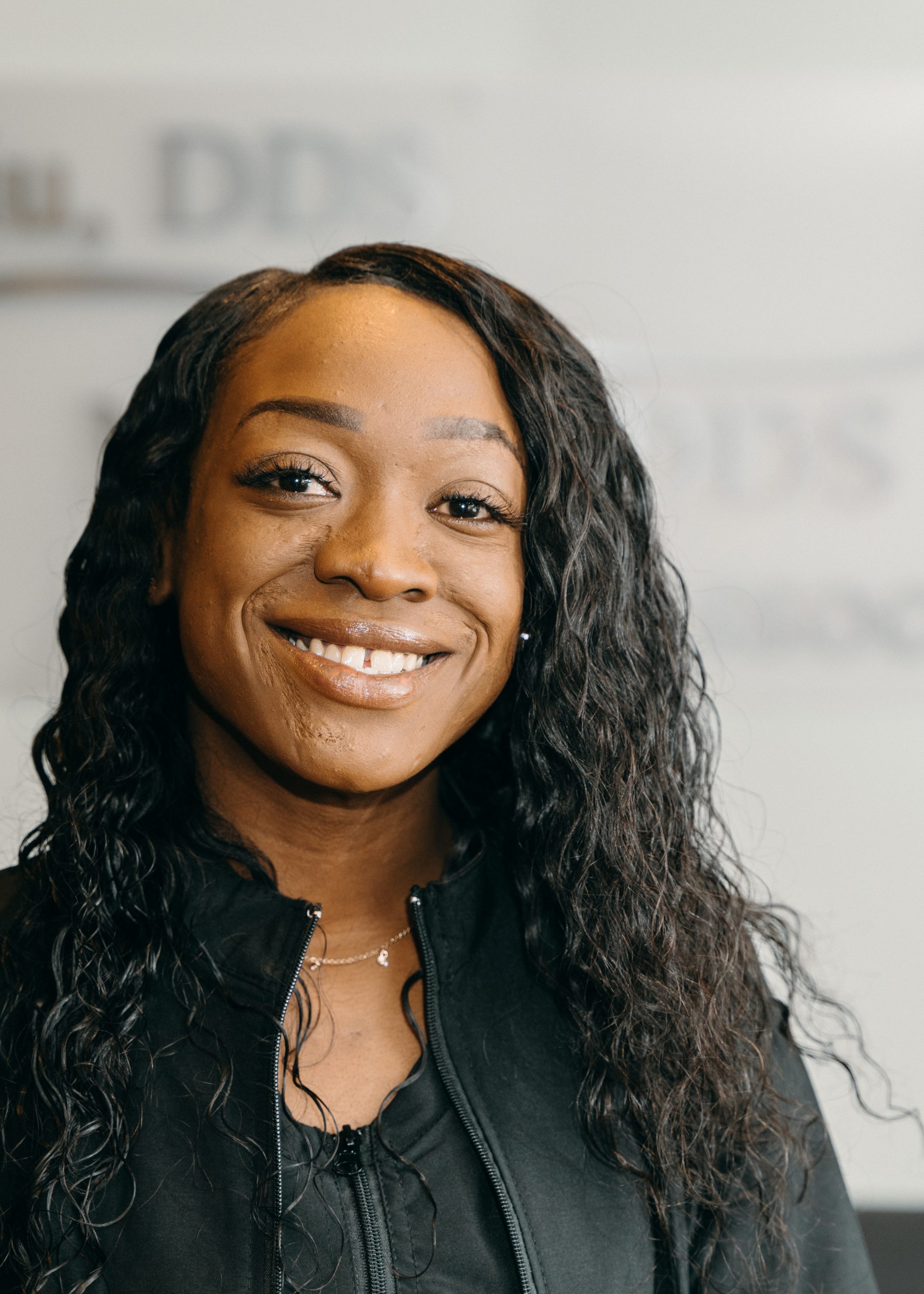
About Trinity Hardges:
Trinity Hardges has over 13 years of experience in the dental field and has advanced her career by continually expanding her clinical, operational, and compliance expertise. As a registered dental assistant with expanded functions and a compliance manager, she has supported dental teams in multiple roles, from hands-on clinical work to developing and enforcing systems that ensure practices remain compliant with state and federal regulations.
Known for her practical, team-first leadership style, Trinity focuses on education, accountability, and real-world application. She develops clear protocols, leads training initiatives, and implements audit systems that help teams stay consistent, confident, and inspection-ready without disrupting daily operations. Her approach is grounded in firsthand experience, allowing her to identify risks early and guide teams through challenges constructively.
Trinity is deeply committed to patient safety, compassionate care, and empowering dental professionals to grow, adapt, and perform at their best while maintaining the highest standards of compliance.
Resources:
Secure Dental_Trinity Hardges: Audio automatically transcribed by Sonix
Secure Dental_Trinity Hardges: this mp3 audio file was automatically transcribed by Sonix with the best speech-to-text algorithms. This transcript may contain errors.
Dr. Nazish Jafri:
Well, hello! Welcome back to our Secure Dental podcast, one more time, where we discuss real strategies for building powerful, profitable, and scalable dental practices. Today's guest is somebody I'm very excited and very proud of. She has been with us since 13 years of our journey together, as me being a business owner and Secure Dental as being established. And she does one of the most important things that any dental practice needs: compliance. Trinity Hardges, she works out of Davenport office as a dental assistant. She is actually a dental assistant for multiple offices. Plus, she's a compliance officer for the whole secure dental team. I am so happy to have you today, Trinity.
Trinity Hardges:
Thank you for having me. It's a pleasure to be here. I always love to support where I can.
Dr. Nazish Jafri:
Yeah. And you've been with Secure Dental for quite a long time. Like, if I were to say, it feels like we built a practice together from the day we met. And we're here right now with ten offices, and you have grown potentially in so many different ways that you had one of our most important departments, which keeps us compliant in all of our states. So, we are across Illinois, Indiana, Iowa, and Tennessee. And you travel. So, tell me, what had inspired you to take on this role? Because it's a big responsibility.
Trinity Hardges:
Dr. Jafri, that's a great question. With that being said, one thing that inspired me was what we valued. When I first got on Secure Dental Team, I did not know what to expect; my first dental office. All the things that Dr. Lou and Dr. Jafri that you guys have grounded in me, that was my mindset as well. So, like, we all merged together, and I would not ... myself as I would not, you know, what we do. So, growing together, it's meant everything.
Dr. Nazish Jafri:
Yeah. And as a dental assistant, did you feel like that we were initially in the two offices, we were lacking some kind of structure that could have solved a lot of issues?
Trinity Hardges:
That's a great question. At the beginning, it was very demanding, I say, because we didn't really know which way was right, which way was wrong. You don't get a handbook, you know. I will say that. You can get as much training over and over again from others, but we were kind of, in a way, doing it the best way we knew how, whatever that meant to the team.
Dr. Nazish Jafri:
Yeah, absolutely. It was like, when we open up the offices, like we kind of don't realize how much stuff happens in the lab and sterilization rooms. And the dentist is usually like me. I was mostly concerned about how to work, how to be the great dentist, make sure the production is there, make sure the front desk is making calls. But somehow we lack the part where we want to make sure that we are also compliant as we go every day. And if you're not compliant, the team is not in the right mindset, and things can go astray. What are a few things as a dental assistant you saw that helped in your compliance journey?
Trinity Hardges:
Being active and hands-on in the field gave me like a big jump, I would say, versus maybe others that are just coming in with the knowledge. Being actively involved, I can see where things could happen, mistakes could happen. So, it could be like hands-on with like seeing growth opportunities, where we can be more compliant or where things wouldn't necessarily go as wrong, but we have a plan, an action plan established. Because sometimes, as a DA, we're working through things, and if an emergency takes place or if something happens in the office where the team is not properly trained, it can break loose. And I will say, as a dental assistant, we've had plenty of emergencies where the team, maybe, and myself was kind of like, Oh my goodness, how do we handle this? But we handled it the best way we knew how. But going through that made me realize maybe there should be like a protocol more of a in-depth way to handle that.
Dr. Nazish Jafri:
Which is true, because if you don't have step-by-step rules, people in the team don't know who is supposed to do what, and that's where already you're in an emergency. And now we're like chicken with no head, and we don't even know who's to call, who's to report, what are you supposed to do? And things like that happen when you're a new business owner, and you're starting off because you think it's not going to happen to you. You know, emergencies are not going to happen to you. And you learn as you go. A lot of things we were doing on paper, and we just were ticking things off. And tell me about some of the experiences that you had to do in a single office that now we're very compliant with, but initially, we were struggling. Let's say sterilization pouches, checks; those are important.
Trinity Hardges:
Yes. So, before we had like a paper system, which was cool, but it can get a little out of hand sometimes if certain papers get misplaced, thrown away by mistake. There was maybe a few inconsistencies with the flow and how we can go back and have a record of something, right? And so, as a dental assistant working and growing with the team, we've found ways to minimize the paper, and we've kept it in a streamlined way where we can use a tablet form, which we use our goal audit app. The goal audit app: everything we want is inside of that compliance monthly audit that we have our teams do. And so, it's really cool that we can tweak it in ways where it doesn't require much work on our end. We ... have a lot to worry about as it is, right? So, the goal audit is just one place where we keep everything, so the team expectations monthly are guided, right? And it's super beneficial.
Dr. Nazish Jafri:
Yeah. So, how does goal audits work with you? Are the managers doing it weekly or monthly, and then you audit them, you get results for them? How does the goal audit help?
Trinity Hardges:
That's a great question. So, goal audits, it helps in so many ways. But let's start with the management, right? They pushed this audit down to the team meeting. They would train the team to complete the audits monthly. The lead dental assistant, such as myself, would make sure it's reviewed or even go over things with the team so that we are all on the same page, and of course, the manager before it submitted. Because the way the goal audit works, you have to like review it. If there's any questions or errors that are mistakes, it's going to prompt to correct them. So, I would expect the managers at every location to go back in and find out what those errors are. And then, of course, when it gets submitted to me every month, I'm able to review it, see where the team needs improvement. And it's just the one systematic style that we can find ways to better assist our team. Whether it's training, they can add comments. And so, it's very like interacting when it comes to the team completing it. They don't want to just say yes or no. They can give me some of their opinions on things.
Dr. Nazish Jafri:
Okay. And then we can customize it, right? So, we kind of customized it according to our states and what is required in each states, and that's the ability goal audit gives us.
Trinity Hardges:
I'm glad you mentioned that, because yes, before we were using just one big audit for every office, right? But with us expanding to different states and those states having like certain protocols and policies that we have to follow, we separated our audits in a way that each location can choose the state that they're in, and we can ensure that all those guidelines are meant for that state. In that way, team members that are completing other audits are not getting overwhelmed with all that information because it is a lot of information, but good information about how we stay good, compliant.
Dr. Nazish Jafri:
Yeah, compliant is very easy because each state is different. Iowa is pretty strict, I feel like. They audit everything, and they need reports for everything. Tennessee is very different from Illinois, and then Indiana is very different. So, yeah, it gives us a good, what would you say, platform where we ourselves put in the required state requirements in each of the state. That office or that region can follow all that and checkbox it. And we designed it. You designed it yourself. You can put in your requirements inside when you design it, right?
Trinity Hardges:
Yes. It's so amazing because it goes basically off of our standard operating procedures. Everything that we would expect will be in that audit. And not only will the team be held accountable for marking yes or no or validating and confirming information, but we want our team to understand what's expected, you know, as a whole.
Dr. Nazish Jafri:
Yeah, yeah, yeah, absolutely. And I think it's also a learning curve. It's like SOPs. You have written it down. And the team, as dental assistants, they're all teaming up to make sure they can go through it. So, it's a learning experience for them. Their knowledge base is increasing, and it's steady. It's not that she said or he said style, or we do it this way. Now it's like, no, it's already written in there. And it's like an exercise, repetitive exercise every month. So, what happens if the team is not, yeah, keeps them strong. You're right. Knowledgeable. What happens if the audit doesn't pass?
Trinity Hardges:
Oh. When the audit doesn't pass, I'm going to send out a message personally to the manager questioning the reasons why we didn't pass, or what the concern of why we didn't pass. You know? Once I find out that, I may do something as far as going to the office. I host the whole training on the topic of whatever the situation is, so that we can become compliant as a team. Most items would be like expiration items, that these things can be missed. And of course, if something is found, we want to know about it so we can find out a better way to make sure we're not getting expired items or having a training issue, things like that.
Dr. Nazish Jafri:
Yeah, I feel like you're right: expiry stuff can go under the radar sometimes if we're not checking it every month, because nowadays these vendors come up with that coupon system, okay, buy five and got two for free, and buy six and get seven for free. They always have an expiry date. And now you are hoarding all these items. You don't even know; it's mixed up in your box somewhere in the storage room. And they're so tiny little expiration dates you can't really see it. In everyday work life, the dentist wouldn't be able to check this. There has to be ...
Trinity Hardges:
Certainly, you know, we've established systems or a way that would work for our team. So, sometimes we used to take them all out, all the anesthetics, and just put them in one cup and things like that. But we found out doing that, we would miss expiration date on certain anesthetics. And of course, now to avoid that, I check them every quarter, making sure that everything is good. Of course, the team checks them monthly. And nowadays, we don't open up all the pouches at one time. We kind of take it as a system where we want to use what we have this first, of course, following the expiration dates, making sure we get used what's first.
Dr. Nazish Jafri:
Yeah. No, that's a very good system. And we're learning as we're still growing, and we're like coming across different things and different scenarios. And we're like, okay, let's tweak it. Let's make this better. Because, obviously, it's a working stuff. The dentist is working, the dental assistants are working with the patients every day, and they become tired by the end of the day. Sometimes, they just don't want to be there doing, you know, checking these things. But I think these monthly audits, when you set a time aside, they can go over it and carefully check these things.
Trinity Hardges:
The feedback that I hear from our team is super cool because, you know, not only do I get to see the team in-house complete the audit, when I'm on certain location sites, but also just having knowing the team they're confident with getting it done. If they have questions, they know they can reach out to me anytime. And it's, of course, not just relying on one person. They have the whole month to go back in. So, the app is really cool because you can save it and then go back in things like that and edit until you're ready to complete it. So, it gives them that time to not feel rushed.
Dr. Nazish Jafri:
Yeah. They cannot be rushed for this. It's important. These things are very important because you just never know that when this state is going to come back and ask you for things five years before us or two years before us. And who's going to remember all that at that time?
Trinity Hardges:
... established a compliance system because not only are we checking for state guidelines, but we're also checking federal guidelines to make sure everything is, no matter what happens, we're trying our best to avoid any penalty or fine that would make us non-compliant, so.
Dr. Nazish Jafri:
And I know, yeah, I think majority of the states we are in, they also require certain certifications to be completed by the whole team, let's say for waste, fraud, and abuse, and then child abuse, and adult abuse, neglect the DEA compliance as well. So, how does Secure Dental keep that in check?
Trinity Hardges:
It's really cool because we use another resource that we have available for us. It's called Bamboo HR. Bamboo HR is like a super huge file that keeps everyone's information at once, right? It's very unique to each employee to where you can upload files and of course, save your training dates. I love this system because not only will it remind the team that your training is due or that each employee, but it reminds the compliance officer, the doctor that oversees everything, so that way, we can all work as a team to ensure that these trainings are complete. Because you'd be surprised that without Bamboo HR or without a system in place that can help remind the team, things can get a little crazy. We had that in the past, right?
Dr. Nazish Jafri:
Yeah, yeah, because you're like, Who did it? Who didn't do it? Like, we don't have the link for it. And now you're trying to struggle where the link is, asking other people where the link is, and then that time is just passing by. So, you're right, with Bamboo HR, I really like the fact that we have the capability to put the link in there. And yeah, and then the team can just click in when they're ready. They get like automated emails that it is getting expired. They go in, they click it, they do the test, they upload it, and it gets saved in there.
Trinity Hardges:
Yes. And that it's great that I'm here because I can go through and check to ensure that not only did they save it, but that it's in the correct folder, and that it's easy to find for auditing purposes. Again, we don't know we're going to be audited. So, we want to just always be ready. And that definitely keeps us in line.
Dr. Nazish Jafri:
Yeah, absolutely. It does. These things, like even sometimes me, if I don't have it on my calendar apps that my license is expiring or near expiry, or DEA has to be redone because I have to keep a tab of four states, we forget because we are in the daily work mode, and you're like, Okay, we'll do it tomorrow, and then tomorrow you just forget about it.
Trinity Hardges:
Yes, that can happen. But you know, I think with the corporate compliance system in play, it helps having that backup plan and having someone there to help guide the team and keeping us all accountable. Mainly, the word is accountable.
Dr. Nazish Jafri:
Yeah. And do you run reports to see all of the employee teams that we have to see who has done it, who hasn't done it? Does Bamboo HR spit out like it's for you?
Trinity Hardges:
I'm glad you mentioned that because yes, the Bamboo HR will definitely keep everything in line. But I can also run reports to see out of all the employees, who's getting it done. And it's nice because I can filter it in a way where I can keep it per location, per state, and it just helps guide me as well when I'm going through. Because again, that was all left to me to do and go through each name, I go like, Oh my gosh; I go a little crazy. But luckily, we have these resources to help guide us. And yeah, building a report is no problem.
Dr. Nazish Jafri:
Yeah, yeah. Yeah, absolutely. What do you think is one of the most common HIPAA issues we sometimes get in the office that we see? When you're doing auditing, it's humans inside. People are working. What do you see is one of the most common HIPAA issues that might come across?
Trinity Hardges:
When I think of HIPAA, and that's a great question, I want to relate that back to patient privacy. You'd be surprised how quickly a privacy breach or information can get confused or confusing with another patient's information. Doing those things would significantly make our office not do well, because not only would we have to write letters, but there's a whole process we have to go through if there's any breaches. So, I would say patient privacy is the number one treatment plans, payment records, things all like this I can find in certain areas where we could do improvement. If certain things are not accounted for on the clinical notes, but we're showing it was done in here and here, it can make us not compliant. It will make us not compliant. So, we just want to make sure everything is where it needs to be as far as, like, treatment plans, patient records, information that should be there.
Dr. Nazish Jafri:
Yeah. You're right. Because patient privacy is something that sometimes in a hustling, bustling office, you kind of don't realize it. You have the appointment book open up because you were maybe looking for another patient, and now the dental assistant put another patient in the room, and we forgot to shut the screen down, or we forgot to do like shift an F2, so it just has appointment treatments in there and not names. So, that is something that we're always honing on, making sure, you know, all the screens are down once the patient is done, and in pictures and videos, you don't show anybody's name. So, I make sure you know, when you have x-rays taken, or you're showing somebody else's x-ray for reference purposes, we cut the names down or the date of births down. So, yeah.
Trinity Hardges:
... that you said that because our audit definitely details information like that. It helps our team remind them, make sure before you leave an app that you log out or you remind your ... These are things that I'm looking and observing for when I'm on my quarterly audits to see and ensure the team is implementing these good policies and protocols in place for privacy.
Dr. Nazish Jafri:
Yeah. Very important. A lot of times, I also encounter like maybe a treatment plan that just needs to be signed. And the doctor put it in their op room, and they walked out, and it's been lying there for a little while, and another patient can walk in. So, these things are very small and minute. And you don't realize that it can happen, and it can happen to an extent that it can cause a problem as well. Sometimes the lab cases are there, and the lab cases have their names on it. So, very important that dental assistants are aware that as soon as you know the patient is done, grab everything that is patient-pertaining and bring it into the sterilization room. So, from there, you can discard it, shred it.
Trinity Hardges:
Exactly.
Dr. Nazish Jafri:
Yeah, yeah. Lab cases, the sheets, yeah, sometimes they just get, like, put in the doctor's table, put it in somewhere else, put it in the lab room, and it can cause an issue for someone.
Trinity Hardges:
And being hands-on, you know, with patients, I can see how this information can get missed because we're busy. You know, our next move is the next patient. Of course, keeping things in and streamlined. But that's where things can get messed up and sometimes forgotten about.
Dr. Nazish Jafri:
Absolutely.
Trinity Hardges:
... five patients every month, and we go through to see what we could be stronger with our communication skills, with patient notes, and ensuring certain documents are there. So, yeah, that plays a role.
Dr. Nazish Jafri:
Yeah, absolutely. What would you say is the key pointers for a dental assistant to be mindful of when they're in the sterilization room? What would you say, for whoever is listening that, hey, you know, this is a must for you to not need to get into trouble?
Trinity Hardges:
You know, I'm going to stress proper PPE. You'd be surprised how many dental assistants they go in the field, and they think, Oh, I'll be okay, or I have enough gloves or I have enough proper shielding. A lot of DAs will go in because we're moving so fast, and we can forget certain protocols, certain expectations that would only keep us safe, right? So, I would say PPE is a big one. When I say PPE, we're talking about gloves, masks, patient goggles, patient gowns while you're in the lab. Not only once you're also in the lab; you also gotta have your latex gloves when you're scrubbing instruments. A lot of DAs, it can be kind of sometimes out of sight, out of mind, or just not thinking about it. So, keeping that constant awareness is everything. It's very key.
Dr. Nazish Jafri:
Yeah. Keeping that all buttoned up is very, very important.
Trinity Hardges:
Yes, I know.
Dr. Nazish Jafri:
You just don't know what's going to fly out.
Trinity Hardges:
Exactly. And so, I think posting it everything. On our audit, we make sure that the postage is in a couple of different spots. So, not only are they getting those reminders verbally, but they're getting those constant reminders. And it helps with the team, you know, remembering to do these things. We posted in the break lab. I know that sounds like a fun place, but believe it or not, when someone's eating there looking around, and these are great spots to have certain reminder posters, right? Or reminders for our team ... play the role.
Dr. Nazish Jafri:
Yeah, especially those visual.
Trinity Hardges:
Yes, I'm more of a visual person, so I like to take pictures.
Dr. Nazish Jafri:
Visual cues are important.
Trinity Hardges:
Absolutely.
Dr. Nazish Jafri:
Yeah. And I know Secure Dental does monthly meetings with the team at their own locations, and the managers do it. What are the key OSHA, HIPAA things that they discuss in it? I know there are certain topics for the whole year that do. What would you say for somebody who's listening so they can get some idea from the monthly meetings we do?
Trinity Hardges:
Monthly meetings. Our team, they will discuss, like they'll go over the HIPAA on-site audit. That audit is cool because it goes over patient privacy. It goes over our standards as far as keeping things compliant, shredding proper paperwork. These are all questions that are asked to our team during this team meeting. And it's cool because the managers can see where our teams are struggling, answering certain compliance questions or HIPAA questions that would relate to the patient's privacy. I know one question that stands out is: when you leave a voicemail with a patient, how would you go about, you know, did you leave detailed information? And these are always fun ones, because sometimes the team will go role play. And I think these are good times to find out where the team, where they're struggling in certain areas, where we can work on or at least discuss at the next meeting to see if we make progress in that. So, yeah, patient privacy is a big one that we discussed.
Dr. Nazish Jafri:
Yeah, yeah. And then I know we also discussed, like every month, we have a topic for our emergency training as well that we discuss and do like some quizzes on them. How is that designed?
Trinity Hardges:
That's designed, it goes into each month, there's a new drill. And with the new drill, the manager and the team, of course, were expected to act out that drill, go over that protocol, what we would do in that emergency. And it's kind of nice to see where your team is at when you put them in role-play mode, right? So, I think going over that, also going over things that we can work on as a team during our monthly is important because it helps the team understand where we need to grow, and of course, what to expect. Sometimes you never know when things are going to come your way.
Dr. Nazish Jafri:
Yeah, role play is so important.
Trinity Hardges:
Yeah. ...
Dr. Nazish Jafri:
And what would you say.
Trinity Hardges:
When I come to the quarterly, we always talk about role playing because it's big. I think role-playing helps the team understand how in-depth things can go. Not everybody's the same.
Dr. Nazish Jafri:
No, not everybody is the same. And it's hard to lead a big team and make sure that everybody is on the same policies, they all have the same exact thought process of how the sterilization has been done: how do we clean the instruments; how is the autoclave being serviced; what water does it need; what sterilization pouches need to be stamped or checked the colors and things like that. Because when you get new staff on board, sometimes they're very overwhelmed. They might not have the time from a leader to show them everything, and we can go very fast in our training.
Trinity Hardges:
Yes, I do agree with that.
Dr. Nazish Jafri:
They fall short in understanding the policies.
Trinity Hardges:
No, that's true. And I will say our core values as adapters, you know, we learned to find ways to help our team grow by having everything like in a written mode or a video mode, or there's always a way to help our team. So, yeah, those are definitely challenges that any office can face, big or small. So, having that system is super important. I would ... stress more than enough.
Dr. Nazish Jafri:
Yeah, because documentation is important. And I feel like the way you do the goal audits, the auditing app, it documents everything. It makes it very streamlined. So, you don't have to double-think that, Oh, did I do it or did I not check the box? It's helping you step by step to go through each of the steps that we need according to each state. So, here we go. We got our documentation done. We got all our audits done. We know that we're compliant. And if a box doesn't check off, you're the resource for them to ask, Hey, you know, what happened? Why couldn't we do this? Was something backordered? Something broke down? Something needs an update, right? And if it's not documented, you kind of forget in the day-to-day.
Trinity Hardges:
Exactly. And that's when those penalties and fines come into play. And, you know, one fine can take it off is out if you're not careful. So, you know, IT can get crazy.
Dr. Nazish Jafri:
Yeah.
Trinity Hardges:
Yeah, yeah.
Dr. Nazish Jafri:
One fine can really take the office down for at least minimum of seven days to 90 days. It depends on what kind of penalty it is. So, I don't think it's worth it. I think it's really beneficial to invest in things like which are going to make you efficient, and systems which are going to take the human capacity and make it more efficient. So, as humans, we're not forgetting; at least the computer or the app is doing it for us and making us remind it.
Trinity Hardges:
Yes, we make a good point because some of our providers, they branched off and, you know, they've started their own practice. And with that, they're starting to see like, oh man, Trinity, if you'll help us with some of everything in line, so we're state-qualified. And, you know, it's not as easy as you would one would think. So, yeah, it definitely helps having that system in place because it helps guide you whenever you're expanding or trying to do more.
Dr. Nazish Jafri:
Yeah, because as a clinician that is working like as a dentist, as let's say, if I was working in the dental office, I'm more focused as a clinician on a patient, and I'm not focused on, you know, what is happening in the sterilization room. I might have set the protocols, I might have set everything. We might had a morning huddle. We should have and could have done everything that we needed to do. But we don't know if it is being done or not, or if it is being checked off the box or not. And I think these apps kind of help us. I know at one time when we were paper-driven, and then we went into Google Sheets, I think, to do the audits, and we had everything lined up in the Google Sheets, and everybody had to go through that to get it done, but people would still forget to check the line.
Trinity Hardges:
You know, I think we had it all.
Dr. Nazish Jafri:
But that was a way.
Trinity Hardges:
Yes, but we've learned. A little at one time helps.
Dr. Nazish Jafri:
Yeah. Yeah. And then I also remember how important those labor posters are; the labor, the pregnancy, the different posters that you have to put down, which come through your payroll company. And those are important that, you know, they're current. Sometimes we forget that we have to ask for a current one.
Trinity Hardges:
No, that's a great moment that you mentioned, because whenever you open an office or whenever you are at an office, things change yearly, and certain postings are required in certain spots. And if you don't know, like where those postings should go so that the whole team can review it and see it, these are things that would make you not compliant. So, just being aware and knowing what's updated when necessary, and having them there. Those office postings are a lot. They mean a lot.
Dr. Nazish Jafri:
Yeah. CPR trainings and keeping your licenses at some places is very important. I know in certain states you have to display them at the front. And if you don't display it and somebody complains, then you know you get a penalty.
Trinity Hardges:
Absolutely. Because then when they come and investigate, it's not going to be good if you don't have those displays. That falls into line with our culture and our expectations. You know, like you got to make sure you're good and your team knows what's expected of them, and everything up-to-date.
Dr. Nazish Jafri:
Yeah. And what would you say, since you have been doing compliance and audits, and you go quarterly to all the ten locations, it can be very cumbersome for the team. They might think, Oh my goodness, you know, we're going to get penalized, and she's going to come in, and she's going to interrogate us like a TSA agent. And oh my goodness, this is boring; we already have it done. How do you keep the team motivated to make sure you know that they're not getting negative feeling out of this auditing system?
Trinity Hardges:
No. I want to say like 80% of it's mindset, right, for me. And then I think another 20% is strategy. I will say having that mindset is key. When I come in, I'm making sure I'm open and welcoming for our team. Not only; I'm also showing them I can do it too. So, I think the mindset, and as long as you go in with it being positive, I think that helps a lot because you're going to always hear things and complaints from anyone in life. But to turn that around, you know, we have it in a way where we make it a team effort. So, not one person feels like they're just penalized. You know, I'm penalized too, because we're part of the team together. So, it's one of those things where I put on my other hat, and I'm in your shoes, and I can kind of see where you come from on your side. So, I think that helps with me because I'm relatable to our team, because they've seen me.
Dr. Nazish Jafri:
Because you are exactly where they are.
Trinity Hardges:
Exactly. And I've been to the bottom. I always tell them that. So, when I say the bottom, I started from the bottom and moved my way up. I've been a front desk, you know, front desk staff. I've been ... part, helped my managers in so many ways. So, I can feel in every department the emotional part of it, right? Which helps me with the mindset to help them grow. So, it's all about the strategy and how we go about it, how we explain the information. That's what I would say.
Dr. Nazish Jafri:
Yeah. Because you're a role model for them. You are in the trenches every single day as a dental assistant, as a lead. So, you do the orders, you work with the doctors, you work with so many different personalities of doctors. You know, you have to sometimes keep your foot down to make sure the policy is being enforced. Hey, you know, make sure that your needle is capped, you know, things like that. Or don't touch the needle without the cap. Or yeah. And I think that's very relatable for any other dental assistant, because they know that you're just not an officer coming down. You are coming in from their shoes. You do exactly what they're doing, so you know how to fix it for them and make it easy for them.
Trinity Hardges:
Make it easier. Exactly. Because being in their shoes, they can see, Okay, she does know what she's talking about when it comes to this part of it. And so, yeah, it plays a huge role, especially when they see me in them. When we're on the floor together, they don't know what to expect. Sometimes they're like, It's Trinity; is she going to be real strict on us? No. You know, I'm not here to be strict. I'm just here to set the rules and boundaries for the team to help us get there. Like, no one should necessarily be punished, right? But we definitely want to make sure there's ... that can be taken if things aren't compliant. So, I think you got to have a good medium.
Dr. Nazish Jafri:
Yeah. You're right. It has to be a very good medium because it has to be a win-win situation for them. It's an incentivizing thing that, okay, you know, good job; you guys did such a good effort throughout the month. Everything is very compliant. It is way better to get penalized with points taken off or bonus taken off at this level, than, God forbid, somebody complains to the state, and that penalization to the license of the dentist is way worse. Because the office is closed, there's no payroll, you don't have anywhere to go, and you just don't know when the office is going to open back up again. And if the dentist is not helping out in these OSHA, HIPAA compliance audits, that's a problem, because the ding is actually on the license; it is not on the dental assistant. So, the dental assistant is going to be off work; that's the only thing. She won't have the work to do because the office is closed. But on the other hand, the dentist's license gets penalized, and you get to have, you suffer more in your licensing issues and production issues, so might as well, you know, just.
Trinity Hardges:
Get it done right the first time.
Dr. Nazish Jafri:
Do it the way the state wants you to do it.
Trinity Hardges:
Exactly.
Dr. Nazish Jafri:
Get it done right. Yeah. And figure it out. If it's getting like tough, let's see what we can do.
Trinity Hardges:
Yeah. We definitely have had some challenges. We've had city guys come in, and they've mentioned certain things to us that maybe we weren't always aware of. You'd be surprised. Exit signs. You know, they have certain protocols on those guys and how you're supposed to follow the state guidelines. You know, we wouldn't have necessarily known that at the beginning because there's, again, not a handbook that says, This is what you should do. We open the office as it was, you know? But over time, you know, like certain lights can fail. And these are things that you find out, you know, during inspection time, which we don't want that to happen. We want to know about these lights. We want to make sure we get them done before our inspections happen, so we're not failing; everything is in perfect shape. So, that makes a good point.
Dr. Nazish Jafri:
Yeah. Very true. That exit sign was a very, very different experience because we never realized that we have to change batteries in the exit sign, and it is supposed to be done because you get penalized from the fire department.
Trinity Hardges:
Yes, you will.
Dr. Nazish Jafri:
That's crazy. And that is part of our audit now. Yeah. And one another thing that came to mind was, what do you think, in your experience since you've been here, could have been an expensive mistake if we did not have the compliance set up as we have? One of the things that could have made it into a problem, what do you think can be?
Trinity Hardges:
My mind goes back to our water lines. You know, without having proper protocol, with the water line system, and how we are using this water to treat our patients, certain things could happen, and that's not compliant with the city, and it can make our patients sick. So, once we established a protocol with how we shot the lines and cleaned the lines and check and test them, this brought total awareness that sometimes you can fail your lines. And what would you do to make sure the process of it fell again? These are common things to me that can happen because you don't have, like a system in place where you are testing. How do you know how much bacterial growth is in your water that you're using on patients? And it can get crazy if you didn't have a system in place.
Dr. Nazish Jafri:
No, you're right. Because it can be, maybe they're doing once a week, maybe they're doing once a month, maybe they're skipping an op because the dentist was working and they forgot about it, and that op is like really, you know, bad or something. So, we set up time, which is just dedicated for shocks and cleaning the lines and cleaning the traps.
Trinity Hardges:
Lines can get built up over time, and you do not want your lines to get built up, because we've had that before, and it was a very, very ... a lot of extra money. And had we would have had those protocols in place, maybe it would have helped us avoid a lot of those replacements. Yes, I would say that ...
Dr. Nazish Jafri:
And if water lines are not cleaned up, and all that bacteria is coming through those lines, and you do an extraction, it's not healing up, you do an implant, it's not healing up, it's just a bad situation overall. And it's very easy. It's an easy, repeatable process that it can be implemented in any office from the start, get-go.
Trinity Hardges:
Yes. And I think getting the team on board right away helps.
Dr. Nazish Jafri:
Yep. Trinity, what would you say, what would be a bulletproof, compliant office? What can help dental office be bulletproof compliant if they were starting off with compliance policies in their location? What should be the one thing they should?
Trinity Hardges:
When I think about the one thing, I'm going to stick with the system, a systematic approach. When I say the system: resources, ways to help our team learn with certain trainings, having that system in place is key. Without the system, compliance is just a word, so to speak, because no one would think about what compliance is. They would just know it's the rules we follow. But what are they? You know, having those handwritten protocols, having the system in play, that definitely helps. That would be the number one to me.
Dr. Nazish Jafri:
Yeah, right? The systems in place. And I think the reasons behind it because the dental assistant sometimes don't understand why are you doing something the way you're doing it. Why can't we just put it in the sterilization? Or why do we have to put the needles in the op room's red box? So, if we are empathetic enough to have the team understand the reason, I think they follow it through much better, and they're more compliant because they understand the reason why we're doing it instead of just telling them, No, no, no, we just do it this way. But the why makes them understand it better.
Trinity Hardges:
I agree. It's the team dynamic. It's the way we want to ... the team.
Dr. Nazish Jafri:
And I think the digital, if somebody was coming out the first time, it might be their first office or the second office, I wouldn't say that you go to goal audits and you might not have the finances to invest in it. But for sure, a Google Sheet with your state compliant, federal compliant line items would be a great tool, and you can put it in a Google Sheet, share it, and designate somebody to look over it at least a month or weekly or bi-monthly or something like that, so everybody stays in track because you always have access to it, and you can reproduce it to somebody if you get into an auditing situation.
Trinity Hardges:
Absolutely. That would be the best start.
Dr. Nazish Jafri:
Yeah. What would you say the manager habit be, like the best compliance habit that the office manager should have?
Trinity Hardges:
The best habit I'm going to have for the office manager would be consistency: having that consistency mindframe to get things done. And, you know, reaching those deadlines, right? You know, you want your manager to make sure that the team can be accountable and get it done. So, that's the main one for our managers.
Dr. Nazish Jafri:
Consistency. And I think.
Trinity Hardges:
Role playing, absolutely. Being hands-on. I know all of our managers; they assist as well. They jump in when they're needed. So, being hands-on and interacting with the team is a big value, because I know when I used to be an assistant and the manager come in and be like, What? They're doing it to me. So, it makes you feel good to see that they can do it too.
Dr. Nazish Jafri:
Yeah, absolutely. It's like you are in their shoes, and they feel comfortable that you're just not saying it from a comfortable seat; you're saying it from an experience seat because you've gone through this and you understand it.
Trinity Hardges:
And that's why I love our team, because we make ourselves uncomfortable every day.
Dr. Nazish Jafri:
Every day is a different experience. Every day we're learning. Not each day is same, I would say. Not each patient is same. Not each scenario is same.
Trinity Hardges:
No way.
Dr. Nazish Jafri:
Yeah. We're always learning. Yeah. Yeah. So, Trinity, this was incredibly powerful, a very constructive conversation we had because me and you, we have experienced it through the first office, and now we've grown into ten. We've gone from paper compliance, OSHA, HIPAA, to digital compliance, that everything is on record, and it's fast and efficient, and we don't miss out on anything. Whereas we started off missing out on protocols, missing out on policies. We were all over the place. So, I'm very grateful to have you on our team since this time, and you've really held our team accountable for the most important aspect of the office running. And guys, if today's episode hit you home or if there was anything that hit you that, hey, you know, we should be doing this for clarity, it creates confidence, the confidence creates freedom, obviously, you need any questions answered, you can always reach out to Trinity, and we will have her email at the end. She is for resource book, and she can help you. And if she cannot help you, she can find out things for you. And you have my email at the end of this episode. Trinity, thank you so much for bringing the strategies and the knowledge that you have in the industry. Very appreciate you deeply. And to everyone listening, yeah, absolutely; it was good. And to everyone listening, remember this: you did not go to school to struggle financially for HIPAA and OSHA penalties. You deserve to win. And these tiny little things that Secure Dental podcast brings to you to listen are real-life scenarios that we are struggling or improving every day. So, hopefully, we touched somebody today. And if you have any questions, you please let us know. From Secure Dental, until next time, thank you. Thanks, Trinity.
Trinity Hardges:
Bye-bye.
Sonix is the world’s most advanced automated transcription, translation, and subtitling platform. Fast, accurate, and affordable.
Automatically convert your mp3 files to text (txt file), Microsoft Word (docx file), and SubRip Subtitle (srt file) in minutes.
Sonix has many features that you'd love including automated subtitles, generate automated summaries powered by AI, automatic transcription software, automated translation, and easily transcribe your Zoom meetings. Try Sonix for free today.