
From Classroom to Clinic: Navigating Dentistry’s Hardest Transition
Summary:
How do you bridge the gap no one warns dentists about? In this episode of the Secure Dental Podcast, Dr. Milad Owji, a practicing dentist and the CEO and founder of DentMent, discusses why new dentists struggle after graduation and how genuine mentorship can alter their trajectory. He explains the gap between dental school and real-world dentistry, particularly in areas such as leadership, communication, and the business aspects of the profession. He explains why understanding contracts, finances, and career options early is crucial for avoiding burnout. He also highlights how DentMent connects students and clinicians with mentors who can guide them through everything from first jobs to owning a practice. Tune in to learn how dentists can enter the profession with confidence, not confusion!
Things You'll Learn:
- Dental school does not adequately prepare students for the business, leadership, and communication demands of real-world dentistry.
- New dentists frequently feel overwhelmed and unsupported when transitioning from school to full-time practice.
- True mentorship is uncommon, and many organizations use the term without providing meaningful guidance.
- Understanding employment contracts is essential for protecting long-term career and financial interests.
- Early career decisions should not be driven by attractive but misleading financial incentives such as sign-on bonuses.
- Financial literacy and disciplined money management are essential for achieving long-term stability and minimizing burnout.
- Strong communication skills and a deep understanding of patient psychology are essential for a successful practice.
- Access to a supportive professional community accelerates learning and confidence.
- Early exposure to realistic information about dentistry helps students make informed career choices.
- DentMent offers structure, mentorship, and practical tools that make the transition from school to professional practice more successful.
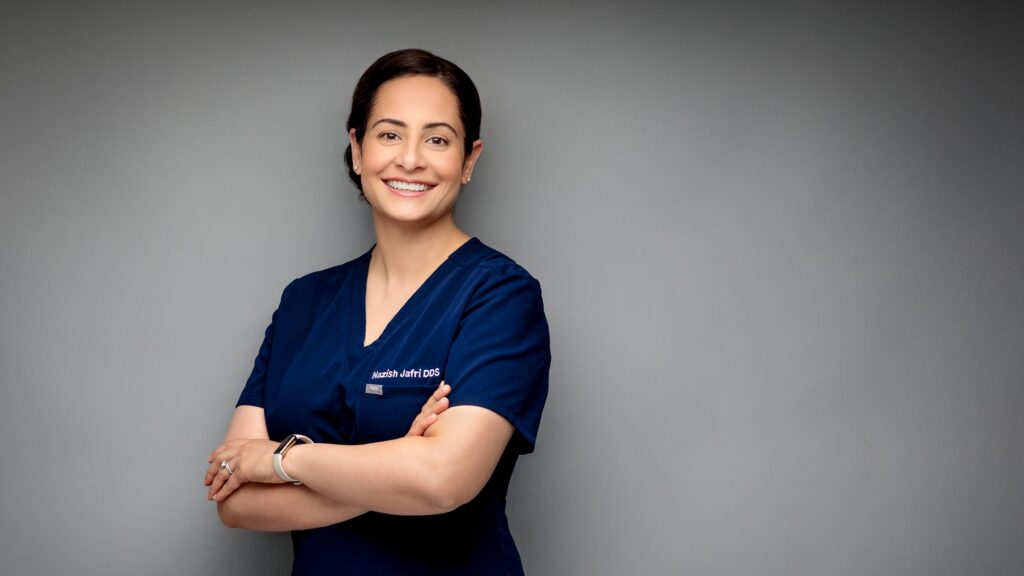
About Nazish Jafri:
Dr. Nazish Jafri, DDS, is a highly accomplished dentist, mentor, and business owner. Graduating from NYUCD in 2011, she quickly established herself as a respected leader in the dental industry. As the owner, CEO, and operator of Secure Dental, a leading dental service provider with 10 offices across state lines, Dr. Jafri has over a decade of experience in successfully managing and growing businesses. Her commitment to top-quality dental care and passion for mentoring the next generation of dental professionals have made a significant impact on the industry and inspired many. With a strong reputation for exceptional dental services, she is widely recognized and trusted by her patients across different states. Learn more about her and her dental services at www.secure-dental.com.
Social Media Handles:
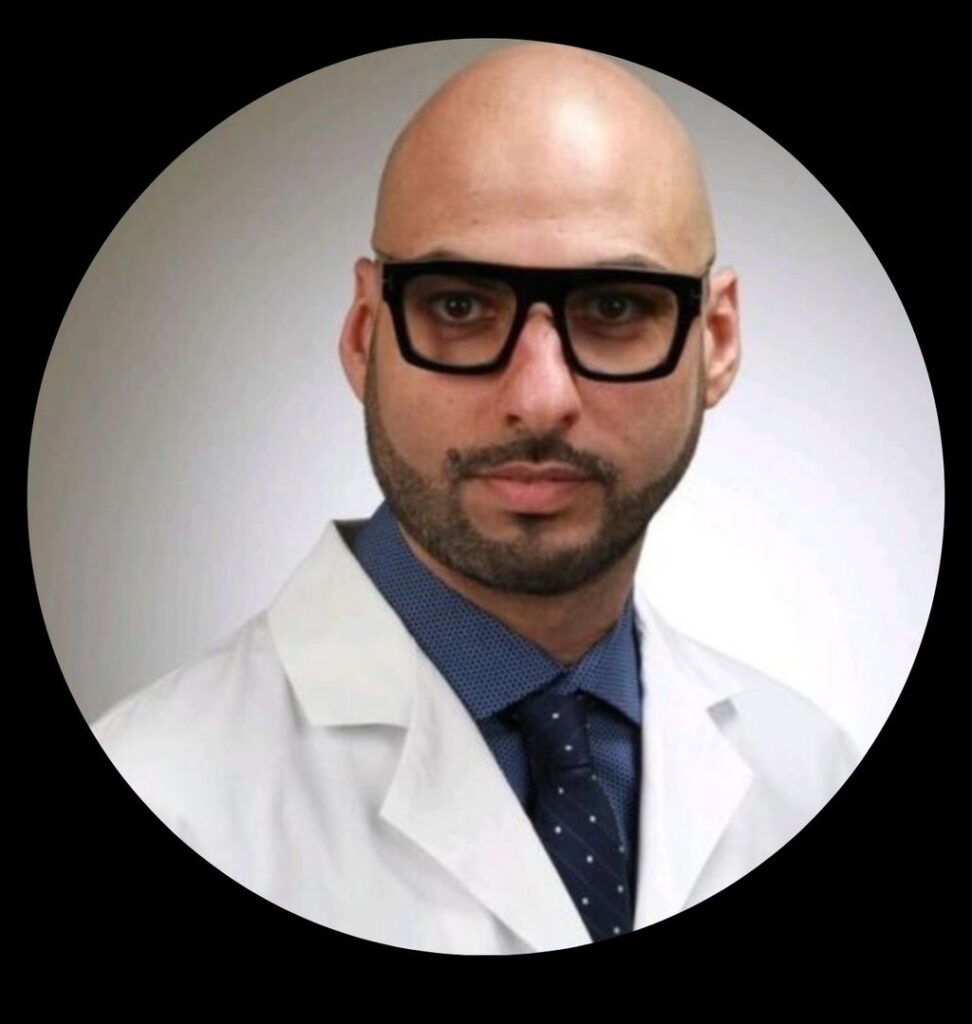
About Dr. Milad Owji:
Dr. Milad Owji is a practicing dentist and the CEO and founder of DentMent. He created DentMent to close the gap between clinical dentistry and the business knowledge that professionals need to succeed. DentMent is also home to the first dedicated social platform built for dentists, pre-dental students, and dental students, providing the dental community with a space to learn, connect, and grow together.
Resources:
Secure Dental - Dr. Milad Owji: Audio automatically transcribed by Sonix
Secure Dental - Dr. Milad Owji: this mp3 audio file was automatically transcribed by Sonix with the best speech-to-text algorithms. This transcript may contain errors.
Dr. Nazish Jafri:
Welcome to the Secure Dental Podcast. Here we bring together some of the brightest minds in dentistry and business to share practical tips you can apply right away. Our goal is simple: to help you grow your practice, build wealth, and create lasting freedom for you and your family. I am Dr. Nazish Jafri, CEO and Chief Clinician at Secure Dental and co-founder of DentVia. I'll be your host on this journey, and I'm excited you're here with us.
Dr. Nazish Jafri:
Hey, welcome back to our Secure Dental podcast tonight, where we bridge the gap between dentistry and entrepreneurship. And today's guest is truly amazing. I'm so excited to welcome Dr. Milad Owji, a doctor of dental medicine, CEO, and a visionary behind a platform, a powerful platform for mentorship, DentMent. It's designed to empower dental professionals like us who've graduated. Or if you're a pre-dental student or you've just graduated. Both clinical practice and business of dentistry has been taught in this mentorship platform. And he's bridging this gap, which is sometimes very lonely when you are stepping into this arena, whether you're just out of school or running a practice. I think today's conversation will inspire you to think bigger and think smarter, because he's going to tell us how you can connect with other people in our environment. Well, doctor, thank you for taking this podcast today.
Dr. Milad Owji:
Thank you so much, doc. That was I think that was the best introduction, man, I gotta tell, you ...
Dr. Nazish Jafri:
No, because it's so close to my heart, and I love mentorship. And I think I can share some of the setbacks that we had. You know, when we were graduating and coming out, we did not know from head to toe. So, what was the turning point that you had? What did you experience that you wanted to start this mentorship because right out of graduation, you're just thinking about your own self? Where am I going to go? Which DSO am I going to practice? How did you come up in your earlier years with this mindset?
Dr. Milad Owji:
Yeah, so I truly appreciate the opportunity. I want to say I'm super grateful that you took the time and invited me to come on your podcast. This means a lot to me. The biggest thing, the turning point for me was, like I mentioned when we before we started the recording, I graduated three years ago, so I haven't been out for that long. But the one thing that I experienced was, you know, to be honest with you, when I went, and I came out of dental school, what I saw was the problem was I saw that a lot of the companies, they talk about mentorship, they said, oh, we provide mentorship. But I truly, when I started with these companies, and I saw what they were doing, I was like, this mentorship that they're offering is truly not a mentorship. All it is just there because clinically, be honest doc, like clinically, your graduate dental school somebody check your work. You pass your boards. You're somewhat confident in what you're doing clinic. If they were not confident, they wouldn't graduate, so clinically, me, myself, clinically you're going to get better, right? You're going to six months out, seven months out. Your crown prep is going to get better. Your feelings are going to get better. You're going to do more stuff. But the one thing that was turning point for me was I said, how can I help the younger doctors, even the doctors that are out? I taught some dentists they've been out seven, ten years, and they still don't know what business of dentistry. They don't understand the entrepreneurship side of it. They don't understand how they need to help themselves develop so that they can run their own business. Because at the end of the day, I say this all the time when I sit in front of doctors, I'm like, remember this, you spend 8 to 10 years of your life, you went through this process. You have dedicated yourself. So, now that you dedicated your time, dedicate your time and understand the business of dentistry so that you can enjoy the fruit of your labor and not have to rely on somebody else to tell you how to live your life. Because at the end of the day, I say this, we're going to work side by side with the DSOs. DSOs are not going anywhere. That's the reality of it. But the reality is, what can we do to empower these dentists? So, instead of having the guy that is an MBA is running a big DSO, but instead you can have a dentist that runs it because that dentist is going to be able to relate a lot better with another dentist than an MBA guy that have no patient experience. So, that's really what the turning point for me was that I said, we gotta do a better job of providing a platform where we can socialize one and two, we can learn what the business of dentistry is about. And number three, you can really get a direct connection with people that are already in the industry and are doing it at a high level like yourself, like Dr. Hughes, like the ..., then all the people that are doing it. So, you can really get a mentorship from them, ask questions so you can really learn and understand the business of dentistry. And that's really what my goal was to build this platform, to really say, hey, if something is broken, you got it, there's a problem, find the solution and solve it. And that's really what I'm trying to do.
Dr. Nazish Jafri:
No, you're absolutely right. When I started, when we started out of NYU, we thought that was it. Right, that we've reached it and we've done it. And now I'm in this DSO, and I'm working. And you're absolutely right. Like, I didn't have any knowledge of how to communicate. I didn't have any knowledge of insurances. I didn't have any knowledge. I thought everybody else was a problem for my production, and I couldn't make the production because it was somebody else's problem, like my dental assistant wasn't right. My manager was always after KPIs, and she would tell me, oh, doctor, you just made like $1,200 today. You didn't even cut it or whatever. And I used to get mad that, hey, I'm the license holder. How? How do you talk to me like this, right? your pride. You're coming out of dental school with so much debt. You think you're the dentist and you can do all this? But you're right. If nobody's teaching you how to behave in that environment, your handpiece is never going to turn. And you need people nowadays who are actually helping you achieve those steps because handpiece comes all the way at the end. I think now that I'm experiencing it very differently, it's like all how you invest in yourself. So, when you're doing the mentorship with free dental and new grads, what advice would you give them to that they could do right now that can help them?
Dr. Milad Owji:
Honestly, like the one thing that we talk about this all the time. One for dental students. I really want to like I said, the goal for with me, with my plan with the platform, is really I want them to educate themselves about what the other side looks like, because dental school and the real world is a two completely separate giant. And I talk about this all the time, to where I say dental school for patients a day. You leave dental school, you leave the comfort of that, and you come out. You're saying 15, 20, 25 patients per day, being able to manage that, being able to be a leader in a practice, and this is are the things that I talk to. I try to talk to dental students. Now I'm like, you gotta understand the leadership. The who you are as a person is gonna dictate how successful you're going to be in your business, which is the dentistry. We, at the end of the day, dentistry is a business, right? We are a doctor. We're doing the work. But the business of dentistry is a different perspective that we have to focus on. So, my biggest advice is they have to understand that, like, you gotta take on that leadership role early on in your career and really understand what you're lacking on, and surround yourself with individuals that can help guide you through that process. Because a lot of times, like you said, we get our degrees, our head gets bigger than life. We realize we think that, oh man, we know it all, and we never want to allow anybody else to come in and teach us what it is we need to grow as leaders. And I think that's something I talk about all the time. You got to put our egos to the side, and when we need the help, we actually have to reach out and get those help early on so that we can help ourselves grow in our essentially in the business of dentistry and in our profession as a whole. If not, then you're just going to stay bare minimum, and you're never going to grow. So, yeah, that's the advice I would give them. Just learn the business, learn the leadership, understand where people are understanding a communication with the patient, because a lot of times dental school doesn't teach you that. They put the patient on the chair, and you get the ball rolling. So, even the psychology of like how to deal with patient understanding where the patient is at, meet them where they're at. All of these things are the things that you have to learn. The biggest challenge is that when I was in dental school, you see a 23-year-old, 24-year-old that never had a job, gets into dental school, and then they're going to leave when they're 27, 28 with zero life experience, and you throw them into a practice, what do you expect? What do you expect they're going to do? Like they didn't work the day in their life. And now they took on this task and this responsibility. But you can't blame them because nobody is there to teach them. Nobody is there to help them out. And that's really what it is. You got to take the time and understand where you're at and reach out for help when you need it.
Dr. Nazish Jafri:
Yeah. No, I 100%, 200% resonate. You're right. You, by the time you become a dentist, come out of dental school, you're 27, 28 years old. You've been in this cocoon environment in a high-profile dental environment where everybody is talking about this million-dollar industry that you're doing. You have professors who are doing like beautiful work, going to Dubai, and stuff like that. So, you think you can do that? But the problem is you don't even know how to sell.
Dr. Milad Owji:
Yep.
Dr. Nazish Jafri:
Right. You don't even know how to sell a pen. Just like how they say, sell me a pen. You can't even sell yourself. So, it's the leadership starts, and then the kids are thinking, oh, when we come out of this DSO, when we come out of this associateship, then we're going to go and make sure that our practice is much better than this one. Where my mindset started changing was when I realized that I was the problem. My leadership was the problem. So, it's like that little ok room that you have, your dental assistant, that you have one dental assistant, that you have, the patient that you have, you become a leader right there. And that mindset shift has to come from within. You have to stop giving somebody else the control of your problems. Yeah. In your platform, a new dental student comes out. How can they get connected with their leader or the mentor at that time?
Dr. Milad Owji:
Yeah. So, the way our platform essentially works is that we have built the community for each individual where they're at. So, we have a community for pre-dental students, dental students, and dentists. And then, as far as the mentorship that we have, we actually on our platform, there is a section that says mentor. And then once you click on that, you're able to see all the mentors that are on our platform, and you're able to directly book a session with them and have a live session with them right then in there. And based on the mentors' availability, and we have people that are expert in the field with from marketing, HR, accounting, anything that you can think of. We have those individuals on the platform. So, you're essentially able to connect with them and have a conversation. And the reason why I built it, the community I built the platform is very similar to LinkedIn. What I did is I just copy exactly what the LinkedIn side of it is, because I wanted to build a community where the dental student and pre-dental students, they're able to communicate with one another, because I think that's where the power comes about, because if you're able to ask questions, if you're able to interact on a daily basis, if you're able to do, that's a learning on its own. Because essentially, when I was in dental school, I was like, man, I want to. I always wonder what the other side looks like. But now that I'm thinking about it, I'm like having these dental students to be able to post their questions. Hey, I'm a D4 at NYU, I'm about to graduate. What should I do? I'm being having the dentist that is out and answering those questions. It's a very powerful thing, even as simple as like having someone like reviewing your contract, helping you with your contract. Those are just the little things that I thought about when I was building this platform, because I want them to have that ability to be able to get mentored from the moment they step into the platform. Either you're out, you're practicing, or you're just about to graduate. I think that's where the power comes out, because instead of you having to wait to get a response from somebody, you know, you're able to post questions and you get an instant response from someone. Somebody is going to be online to answer your question. So, that's really where power of that platform and the idea came because I really wanted it to be able to connect the dots. And sometimes that's what it is too. I had Dr. Laura, on my podcast, and the one thing she mentioned, she said, man, like I've been out of dentistry longer than I was in it. Why? Because the mindset of getting into dental school, no one talks to her about what that journey was going to be like. So, even if you're able to talk to some of these Pre-dental students and say, that's the reality of dentistry, you may be able to change their path. You may be able to change somebody's life. To say, hey, that's the reality of the world of dentistry that we're in, and you may be able to save them from putting themselves through that pain and the pressure of going through dental school. And they may go do something else. But the reality of it is, at least we have a platform where that connection can happen. And that's really what to me, that's very powerful for the industry.
Dr. Nazish Jafri:
No, that's very powerful because knowing all your options before in pre-dental section is very tough because nobody actually says that because they don't want to put somebody down. They don't want to discourage someone. Or maybe it's like your own kids. You just they look up to you. They want to be a dentist, but they don't know what everyday grind is. You can graduate from dental school. Okay, fine. They'll beat you to it. They'll have PMS, whatever you graduate. But what happens after that is a very lonely journey. And I think sometimes. Yeah. And sometimes if you don't have the right mentor, you don't have the confidence to speak up of your problems to. Sometimes you have that pride, and you don't want to ask questions. And I see a lot of Facebook forums. I'm on a ton of Facebook forums and stuff. Sometimes they bash you too much, or they have their $0.02 free opinion that can really shatter somebody's confidence. They really are asking a question, and instead of answering those questions and helping somebody, people are just bashing their confidence left and right. And I feel really bad in your platform. I feel like they'll have a very good mentor style, because that's the expectation that you're already setting up. And I'm sure that the people that are mentoring, they are from the same belief as you are.
Dr. Milad Owji:
Absolutely.
Dr. Nazish Jafri:
That you're there to help.
Dr. Milad Owji:
Yeah, whenever like that's what I'm saying, that like I that was the conversation that everybody talked to me about. So, what's the difference between you and the Facebook this and that. Like the difference here is that this platform is dedicated to no one from the outside can access this. This is a very private platform. We are essentially like from the back to the front, every all the data that's coming through our platform, we are 100% controlling that. And one of the things that I'm very we're still on the earliest stage of things, but the one thing that we put in place early on is that our platform is going to have we're not going to allow anybody to shame anybody because we want people to come in, ask questions, feel confident that their questions are going to be answered. And the other thing we've done is that we created all of these groups that we created. It is their private on their own, so no one can see what somebody else is talking about. It's very private, it's very individualized. And the mentors that we have put on there, we actually like, we've done a ton of conversations with these mentors and told them that, hey, our goal is to help. Our goal is to do this. So, really we sit down and really vet people out to make sure the people that we're bringing into the platform, they're going to actually want to help those younger doctors to really understand where they're at in their career and their life. So, yeah, the judgment side of it, we're going to handle that all the way. And like I said, we're I'm putting all my effort to make sure that's going to get done as we bring in more users into the platform to ensure that it's a safe space for everybody, because we want it to be safe. We don't want it to feel like we're judging anybody if they ask a question, if it's right or wrong, because that's what it is. We don't know. You don't know when you graduate dental school, you don't know things, so you're going to ask a stupid question, and there is no stupid questions. Yeah, but we're going to find the answers for you. And that's really what I think the difference is going to come in from.
Dr. Nazish Jafri:
Yeah. No, I think it would be very safe because they're not being criticized. They're not being like judged, and they're not being just given, like, oh, you should just do this because this works for you. At least somebody is actually listening to them. Maybe they went through the same footsteps as this person did, and they can really encourage and get the value out of it, because even when we graduated, there was no we did not know even what to read in the contract. We did not I did not know what restrictive covenant was. And we signed up. And by the time we came out of it, our restrictive covenant was 26, 30 miles, and I was in the cornfields. I was like, okay, where are we going to go? So, me and my husband were like, we're not going to go to Chicago, we're just going to go to Peoria. So, that's how we came to Peoria. But if you don't know these tiny little things and you just see the hype of that practice, you don't even know, or you don't even have the courage to ask the question, at least somebody can help you read that contract because they have gone through that experience. Exactly. Yeah. So, in what are the few since you have this platform now? What are the 2 or 3 mistakes you see constantly happening that a new graduates can differ from that? You're like, oh man, not again. Something like new graduates keep on making that mistake. What do you think are those?
Dr. Milad Owji:
Well, number one, I think a lot of the new grads, they fall into the status quo in a sense of, oh, I gotta get out, and I gotta go work for these big-name DSOs. And I tell them, that is not a bad thing. If you want to go work for a big DSO, that's okay. Go do it, because they're going to help you some way or another; they're going to help you develop. But the one thing I always say, read the fine print of that contract. Understand what is in your contract. Understand? Are you working on collection? Are you working on production? Do you have a daily guarantee like figure all of these things out before you agree on something? Because the biggest problem is, and I'm going to say this in a playlist way. Possible dentistry at the end of the day is a politic. Dental schools only allow certain of these companies to come in when it comes to wanting to like hire differs out of dental school, right? So, the problem is that you do not see what other options are out there, even before you get out of dental school. So, like I always tell them, I'm like, do your research. Don't just fall into the trap of, these are the companies that are here, I'm going to sign a contract, and that's six months out. You're going to say, I didn't grow at all, I didn't learn anything. And I'm still where I'm at. And now you could have get a better opportunity. And that's why a lot of these associates, when they leave dental school, even myself, I went through a couple of jobs because I'm like, I'm not connecting with these people. I'm not understanding where their mindset is at. I'm just going to leave because it doesn't make sense. So, the number one mistake that they make is they don't look at all their options. They don't go down. Look at all the avenues that they have from Secure Dental or whatever the case may be. Look at other companies. Look what they're offering. Everything. Yes, we work hard. We want to make money. But what are you learning? That's what's important. What are you going to learn from that experience? Are they going to help you develop you as a person to become a practice owner? Are they going to help you to become a partner with them that is effective and efficient for everybody? And that's the type of thing that I see. They're constantly they go into this like a role that they're and I see it recently, dental schools are signing up to open another schools with the DSOs. They want to see it's becoming a machine that they want to feed. That has to change. And that's like I said, that's another one of the reasons why on my platform, I'm creating a section that is for jobs, because I want the smaller companies to be able to put their jobs that they have in front of these different students, so they can't see their option, so they can see what else is out there before they make a decision, because they have to know what's outside of whatever it is that it comes to dental school. So, that's one. The second thing, like you mentioned, the biggest issue right now is the wording in the contracts. They have to understand those things. They have to know how is this contract going to affect me one year from now, two year from now. And the lastly is they just have to they have to transition a lot. They have to the transition from dental school to outside has to be a way smoother transition for them. And I think dental schools are not doing a good job. And as a result of it, the mental skills are paying the price for it one way or another.
Dr. Nazish Jafri:
Yeah, you're right, because I think one of the issues that I see associates getting like new grads getting sucked up is sign-up bonuses, and that sign-up bonuses is something we don't do since the beginning because we're like, if you are worried about the sign-up bonus, that means you are in it for the wrong cause. And this weakness is so attractive to all these bigger companies because they have the money to give it to them, but they don't give it to them right away. That's the fun part. They give it to you after you've produced that much. But the kids don't understand that part. And we get, I do a ton of interviews, almost like every day, and they're like, but we are getting assigned a bonus there. I'm like, you are more than welcome to be there, but you want to read the fine print for it, because once you don't like the place and you want to come out in six months or nine months, they're going to hold you by the neck, but they don't read it, and then they come back with a lot of problems. So, that is the caveat that these big companies have. They have the power of the money, so they can throw in all these things for us, for the new grads, and they get sucked up with that sign-up bonus. Really bad.
Dr. Milad Owji:
Yeah, that's the thing is, like, that was like exact conversation that I was having when I graduated, for example. Like, they sent me out to Iowa. Oh, we'll give you $100,000 sign-up bonus. Do a two-year contract. I got there in two months. I left that company because I'm like, nothing from the conversations that I was having to where things were happening, nothing was making sense. And I'm the type of person that I'm like, no, I'm out of money. He's gonna I'm not gonna bend backward for the money, because at the end of the day, I know what I've been through to get to this point, and I want to make sure that I am doing justice for the work that I put in. So, that's one of the things, like you mentioned, this sign-on bonuses to me. They don't do anything. And that's one of the biggest things that these companies do is that they dangle the money in front of these dental students, but they don't, in reality, over this man. Like I tell people, I'm like, you can go to a company that can readily pay you $700 a day, but you learn so much six months out of school that you could be making 3 or $400,000 a year. So, like the sign-up bonus part, I honestly, I think that's something that this company has got to stop offering the dental assistant because they're using it as a bit, and they pull these people in, and then there's just no way for them to get out of it. And when they want to get out of it, they have all these things. When I wanted to get out of my contract, I was like, I'm done, here's your money. I'm out because I didn't want to deal with it. So, that's the thing. It's like I tell people all the time, like they give you the sign-on bonus. Good for you, man. Just. But just understand what comes with that sign-up bonus. Because there is no way if a company is functioning and is doing so well and is doing great, that it's just going to. There is a reason why they're giving you this sign-up bonus. There is a reason. There is. There has to be a reason.
Dr. Nazish Jafri:
Always a reason. Maybe it's insurances, maybe it's in a rural community. Maybe they don't have a dentist. Maybe they just need your license. That's about it. It's a venture capital and 22, 23-year-old kids. They're running that show. They don't know what patient thing is. They're just utilizing your license for you to work. And they have all this stuff coming down the drain. So, that would bring me to business aspect of it, right? So, when we came out of dentistry, we did not know no business at all. We did not know what to make a day. What was our daily production? A day like you said earlier, that it takes us two hours to do one filling, and you don't even know how much you're going to get. $36. When you come out of in the main field, now you're dealing with insurance or Medicaid and things like that, and then your numbers have to match, and your timing has to match to the amount of chair time. And it comes with experience. Nobody can teach you that. You have to go through the grind to do it. Now that you also give mentorship to a new dentist. What would your financial advice be for them? What mentorship sections do you have for those?
Dr. Milad Owji:
The biggest thing that, like I said, the couple of mentors that we have that we're bringing on to the platform, a lot of them are like CPA certified. They're accounting. There are people that are that are expert in the field of like finance. Even one of the gentlemen that I've been talking to, he's a CPA. They have a big company that all they do is like CPA stuff. So, I asked their CEO and their president. I said, hey, do you want to be a mentor on the platform so you can help this dental student? They're like, sure. So, the conversation is these are the conversations that we need to have. We need to understand, hey, like you mentioned the chair time. Why does that matter? Why do you need to be efficient? Why do you need to know where your money is going right out the gate? Because a lot of times, I have friends that graduate dental school, they work for two months, and then they're like, oh, I'm out. I'm going on a vacation for three months, all right. You just work for two months. Like, yeah, you know what I mean? So, it's like they don't the mindset is and and unfortunately, a lot of like you mentioned too is like a lot of the dental, the professors that are in dental schools, because some of them are older doctors. Yes, their mindset is different than our mindset. So, they're like, oh yeah, you work three days a week, you're going to be fine. And we come out with that mindset that, hey, I'm going to work three days and I'm going to be fine. But they don't realize that their time and our time is different. The cost of living, inflation, the ... student loans, all of these things contribute to where we are. So, I think the mindset has to change. A lot of times, the mentors that I have and even myself, when I have a conversation, I always tell them, I'm like, you gotta understand, dentistry is not the same. Dentistry is not what it used to be. That's the reality of everything, especially post-COVID. Things have even got worse when it comes to doing a business. When it comes to money, when it comes to real estate, all of these things. I'm sure that you guys have 10, 12 practices, so you know how that part of it is. So, it's a grind. It's a tough business, but you have to have these conversations early on so they can understand the value of the money that they need to make, how they need to make the money, where they need to invest it, invest it in a business, invest in building something, invest something outside of dentistry. That's, I always say this. I'm like, stop relying solely on dentistry because dentistry, it's good, but it's only good for 10, 15 years, and then you're going to burn out. Everybody's going to burn out. And if you don't have alternatives, you know that's a problem. So, that's why like this conversation, is about early on, figure out what do you want to do. Invest your money in the right places. Yeah. So, you know, you can say, hey, I'm comfortable. I can sit to the side and not do dentistry, and I'm still going to be okay. And that's the type of conversations that I want the mentors to have with these students, younger doctors, and teach them the ways, you know, where do you need to invest the money? What you should do, what you shouldn't do. Don't go out. Buy $200,000 car first year out of dental school, right? So, that's the type of conversations that we need to have in order for them to understand what they need to do with their money and their finances.
Dr. Nazish Jafri:
No, right, perfect. It's funny, sometimes we do interviews, and I'm like, okay, what are you? They will ask me how much they can make in my office. I'm like, okay, how much do you want to make? That's my question. And they give me a number, and sometimes they don't even have a number. They have no idea. They think I am going to produce the money for them. And because it was my mindset to. So, I can go internally, and I can ask them this question. I'm like, Where do you want to make. They don't even know. They don't even know a number. A year, like how much is your car payment? What is your rent right now? You want to live in Chicago? What is your you know, what is your actual expense? Let's go and take that and see what you want to make. Okay. You want to make 200,000? Let's try that. But I just want to work four days. Okay, let's do four days, and I need a one-hour break. Okay, let's do that. So, I asked them all these questions. I'm like, okay, let's go, let's do the math. And now you need to make this amount of money per hour regardless, whatever patients coming in. Because whatever patient has the means to pay, they will pay you. But now you have to backtrack and then see if you can do that. And there is the time that you need to reflect on yourself of what you're going to do now on your own self, to make your own self better, because the person in the front cannot make the money for you. The dental assistant cannot do that. The owner cannot do that. Manager cannot do that. You need to do it. So, that's where I think once this platform is done, then they can understand the business KPIs. All right. So, when you get like doctors who've been in the business a little bit, do you have mentors that can train or mentor or mastermind associates who dentists who are opening up practices? Do you have help with that as well in your platform?
Dr. Milad Owji:
Yeah. So, actually, what were the conversation that I'm having with some of the companies right now is we want to almost I want to be able to provide a white glove service. And that white glove service is going to be is really help the dental students to help them to be able to essentially, I want to say, hey, I'm going to help you go from A to Z, get your practice, and then we're here to support you along the way. You don't have to do anything. We don't want your money. We don't want anything. We're just going to do a white glove service. We'll get to practice. We'll find a practice. We'll get the ball rolling. But that's going to take some time. But yes, we do have individuals. Even right now. I have, for example, one of the, one of my co-founders, Craig. He has a huge business consulting. So, and all he does is analyze data for dental practice. So, like he, for example, can say, hey, you want to buy this practice? I'm gonna analyze the number for you. I'm gonna do this for you. I'm gonna do that so we can help you figure out where you need to go. You need an HR, for example. Okay, here is the company that can help you with the HR. Here's the people that can connect. There are people that we are putting in place that's going to really help you find the system that you need. Dentistry. At the end of the day, doc is a system that you have to have so we can teach you and show you the systems that you need. I think that's going to solve majority of your problems. And we on my podcast, I have brought people from pretty much from the moment you want to ride your lease. I have no people that can help you from your lease to accounting, to business analysis, to data analysis, to tell you even what support you need in your office. So, there's a lot of resources that are available. And my goal is to ultimately say, okay, we can help you get there, and this is how you do it without having to sacrifice giving up too much of yourself to a business that at the end of the day, somebody else is benefiting from and you're benefiting from it, and you're able to say, I'm going to go out, I'm going to build the. Because the thing is that like running a dental practice, once you figure one out, you can replicate that. It's a machine, right? So, if we can help guide them and then put the systems in place for them. It would just be a chain effect. And they can. And then that's then they can take that information and help somebody else that person can take. So, it's like a chain effect. So, that's what ultimately my goal is to really help them understand what they need. I'm actually next year, I'm in the process of going, and I want to purchase a practice, and I want to make a documentary about it from the beginning to the end of it. So, I can like, post it so I can share it to be like, this is what you need to do to buy the practice. This is the things I've done. I posted it on YouTube and on social media. Everybody can watch it and see the process, what the process is like. So, that way they can understand, hey, who do I need to call? Do I need to call US Bank? Bank of America. Huntington. Should I look at what broker? Why do I need to pay attention to? So, these are the things that I'm working on right now, going into next year, that truly the goal is to help the next generation to be better.
Dr. Nazish Jafri:
You're right. Even the tiniest little thing, like how to select a broker, is so important because if you're not looking at their contracts, they can hold you by the neck really bad. I've had a situation where one of my associates was trying to buy a practice, and she had a broker, the contract. She didn't read it really well and got really badly stuck. She liked the practice. There was somebody else in there, and for some apparent reason, there was like a clause in there that she couldn't do because she had this contract with this broker. I did not realize that that can be an issue. Yep. It was such a darn issue for her that she had to let go of that practice. Yeah. So, yeah, somebody who can read that and handhold somebody who is. It's their first practice and ... dream coming true. This is really valuable what you're putting in. And then I would say it again and again. It is so non-judgmental because usually, if people sense judgment coming across, they'll stop asking the question, and that's where they make the mistake. So, I think there's a lot of value of what you're bringing in to the new people who are coming in, and they have this dream of making their practices, or maybe just being an associate in a good practice as well. Absolutely right. You can go anyway.
Dr. Milad Owji:
Yeah. I like either way. I think the bottom line to it is that I want to make sure with the platform that I'm building out, really, my goal is to one help the transition of dental school smoother. Not everybody wants to run a business. Not everybody wants to have a business. Not everybody want to have that responsibility. But even if I can help that, that one dental student to find the right position that is going to put them in a position that they're going to be successful, we did something right. At the end of the day, they will have a better experience. They will get into a team that is the right fit for them. They will get into the environment that they actually their personality fits. Being able to like see what other options you have before you leave dental school. I think that's such a powerful thing. And ultimately, we got to give these dental students more options. They have to know what's out there before they make a decision. And that's really what the goal is.
Dr. Nazish Jafri:
Yeah, right? And then also, I heard you say in your conversation that investing. So, I think that is something that we were looking into after five years of dentistry. What if your handpiece stops? What are you going to do then it can stop because me being a female, you become a mom, you have more responsibilities. Maybe that is the reason disability can be the reason. Maybe you just don't want to do dentistry anymore. What do you want to do after that? So, when the handpiece stops, are paycheck stops. Actually, dentistry is. That's the weakest part of it. That's it. So, what do you do after that? It is, I think, really important for a new grad, a new associate, to think five years, ten years down the road, you get burnt out. What are you going to do then? Or what should you do now that can slowly take steps towards that one day that it happens. Because then one day you might have a whole family to take care of. So, would you. Do you also connect people that way for investing, for where to put the money in? So, you're not putting in a lot of taxes and things like that?
Dr. Milad Owji:
Absolutely. That's one of the goals that we have. Like one of the things, like I mentioned, we have a few gentlemen on the platform that are like CPA-certified, that all they do is dental stuff. So, and we have another gentleman that he does investing, IRA, Roth IRA, what money where not to put the money. So, we brought I thought about this from every angle, so that way they can help educate them on hey, if you don't want to be an owner, you can still be an owner, but you can, for example, go to some XYZ company and say, hey, look, I don't want to be an owner, but I want to have a practice so you can give them the responsibility, but you invest your money into that practice and you're just in the background sitting and just making some sort of passive income. So, there are many ways. Take the money, put it into real estate, put them, take the money, put it somewhere. Go, I don't know, go buy gold, go buy silver, do whatever. But at the end of the day, these are the conversations that we gotta have. Because the biggest issue that we have seen, and I've seen it myself, like I said, I graduated dental school not long ago. So, the biggest problem is that the dental schools don't talk about these things. They just say, here it is, figure it out and that's it. But that's the problem because that's why this the conversation around burnout in dentistry has become a massive topic that, oh, everybody is burning out. But why are people burning out? Because no one is telling them their options. No one is telling them what is the alternative? What can you do for yourself today that is going to help you be better tomorrow? If you're not doing it and you're just waking up, sitting in your car, going and seeing the patients, and coming home, you're gonna hit the wall at some point. So, absolutely. Yep. And that's really the goal with the platform. Again, it's just really be able to help with those kinds of things.
Dr. Nazish Jafri:
No, that is really full circle. I think the value that your platform is giving is from the pre-dental. If you really want to do dentistry, you're giving them the truth of what they're getting into. And if the personality is good, okay. You go through the dental school grind, but understand what is going to come out. Be an associate be practice owner. And then while you do that, you give yourself some time and leverage and talk to people who are mentoring, like a platform like yours, and think of what you're doing now and what you want to do later for your family and for your own self. Passive income is very important because one day our back is going to give up. One day, our health is going to give up, our eyes are going to give up, right? And at that time, we might have kids who are college-going, what are you going to do? At that time. So, start doing it now. But I think a student, I can see myself when I was in school, I would have started off as a pre-dental student and maybe have a mentor every stage of my life under your platform, till I could just have passive income coming in while you're enjoying dentistry, and then you're not worried about it.
Dr. Milad Owji:
Yeah, absolutely. That's the goal. That's the goal? Yeah, definitely. Yeah. Ultimately, that's what it comes down to. It's just like helping them understand what the actual true fact of Dentistry is about before they get into it and before they graduate dental school. So, if you can really mentally prepare themselves for what's about to come.
Dr. Nazish Jafri:
Yeah. So, when a student or an associate listening to the podcast today is wanting to get in touch with you, I know we will put this stuff in, but what would be the best way to connect with your platform now?
Dr. Milad Owji:
Sure. Best way is to find me on LinkedIn. I'm on LinkedIn pretty much almost every day, so Milad Owji, M I L A D O W J I. Our website is Dent-ment.com. So, our platform right now is going through, essentially, we are on a production server. We're testing our platform with beta users, but we are starting to allow other users to come on the platform as well. But the platform is essentially live and is functioning. But the best way people can find me on LinkedIn.
Dr. Nazish Jafri:
In LinkedIn, so they can just come in DM, and you can start talking to them.
Dr. Milad Owji:
Yep. I'm always talking to everybody. I respond to everybody's messages. I don't know what it is, but I'm like, hey, let's have a conversation. We'll figure something.
Dr. Nazish Jafri:
Out. Yeah. No, doctor, I think that is such a good value that you're giving in, because I can tell you, I meet with so many school graduates that are coming out, they have a hard time communicating with somebody because it feels like it's a taboo. They don't want to ask the question, even though the question is really burning once. Sometimes I give a seminar, and I'm asking them, do you have any questions? None of the hands come up, but the minute I come down, I have a line because they want to just talk in person. They don't want anybody to listen. It's just the environment. It's a sad environment we live in because people are so judgmental. So, you know, hey guys, again at the End podcast, this is such a valuable post today that he is there on LinkedIn answering your questions. So, take advantage of it. Dr. Milad, very humble to hear you giving so much valuable information to graduates here. It is powerful. It is very powerful. And the more lives you touch, you just don't know whose life you're going to change.
Dr. Milad Owji:
I truly appreciate it. Thank you so much for. I always say that these are the moments that I look back 15 months ago when we started talking about this platform, and we were developing it and worked on it and got it to where it's at today, and we're continually working. The goal really is to give back and to help touch lives the way that it matters. And if we can even touch one person, we did something right. Rest of it doesn't matter. I'm always open to conversation. I'm super grateful for this invitation. I'm super humbled for it. So, thank you so much for your time. I really appreciate it.
Dr. Nazish Jafri:
Well, thank you for accepting it as well. And yep, even that one life is going to turn into two and four. And like I said, you just don't know who you're going to help. So, this is an amazing opportunity. Thank you. All right. Thank you. Highly appreciate it. Thank you. Have a great night.
Dr. Nazish Jafri:
Thank you for tuning in to the Secure Dental Podcast, where we talk all things dentistry, business, and growth. We hope today's episode gave you valuable insights you can take back to your practice in your life. If you enjoyed this episode, don't forget to subscribe! Leave us a review and share it with your friends or colleagues who could benefit from the conversation we had today. You can follow us on social media at Secure Dental or visit our website at SecureDentalGroup.com for more resources, updates, and upcoming episodes. I am your host, Nazish Jafri. Thanks for listening, and we'll see you next time on the Secure Dental Podcast.
Sonix is the world’s most advanced automated transcription, translation, and subtitling platform. Fast, accurate, and affordable.
Automatically convert your mp3 files to text (txt file), Microsoft Word (docx file), and SubRip Subtitle (srt file) in minutes.
Sonix has many features that you'd love including world-class support, share transcripts, enterprise-grade admin tools, generate automated summaries powered by AI, and easily transcribe your Zoom meetings. Try Sonix for free today.